
An insulation piercing connector is an electrical connector used to create a branch connection to an insulated conductor without removing the insulation. The connector uses sharp conductive teeth that pierce the insulation layer and establish direct electrical contact with the conductor core. The connector serves in low-voltage and medium-voltage distribution networks in aerial bundled cable systems. Insulation piercing connectors consist of an insulated body, piercing teeth, a shear-head bolt, and sealing systems. These components allow the connector to tap electricity from a main line to a secondary service line. Its piercing teeth maintain consistent contact pressure to ensure stable conductivity. They simplify grid extensions and customer connections in overhead distribution networks. Insulation piercing connectors serve in aerial bundled cable systems, street lighting networks, service connections, and renewable energy distribution networks. To ensure connector durability, it undergoes mechanical strength tests, electrical conductivity tests, temperature rise tests, and corrosion resistance tests.
Common types of insulation piercing connectors used in transmission and distribution networks
Insulation piercing connectors allow electrical connections without removing insulation from conductors, improving installation efficiency and system reliability. Each type of insulation piercing connector provides secure electrical contact, rapid installation, and environmental protection. Common types include
Main-to-branch insulation piercing connectors
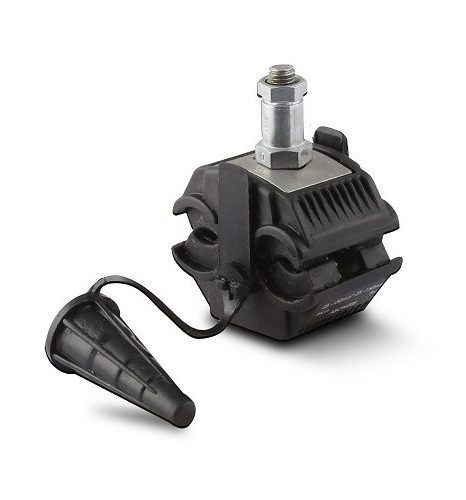
Main-to-branch IPCs connect a secondary service conductor to a main overhead distribution line. It consists of two different conductor sizes equipped with dual piercing blades for penetration of both cables. It serves in service connections to residential and commercial buildings, street lighting systems, and low-voltage distribution networks.
Line-to-line IPC
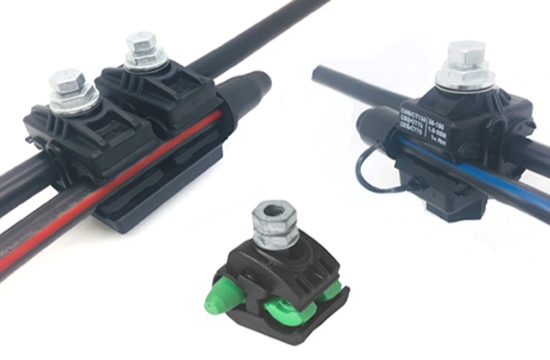
These IPCs interconnect two insulated conductors of similar size to create a parallel electrical connection between cables. It is designed for equal conductor cross-sections and features many contact blades for improved current transfer. The IPC serves in network loop connections, parallel feeder lines, and temporary connections in distribution networks. The line-to-line IPC ensures balanced current distribution, enhanced electrical network flexibility, and support for load sharing between conductors.
Service insulation piercing connectors
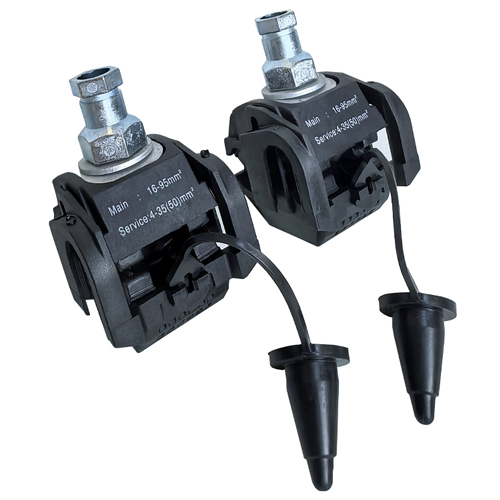
Service IPCs are designed for low-current service connections from distribution lines to customer supply cables. It features a compact design for small conductor sizes and integrates with sealing caps or waterproof housings. Service IPCs simplify installation for utility technicians, provide reliable electrical continuity, and protect connection points from environmental exposure.
Lighting insulation piercing connectors
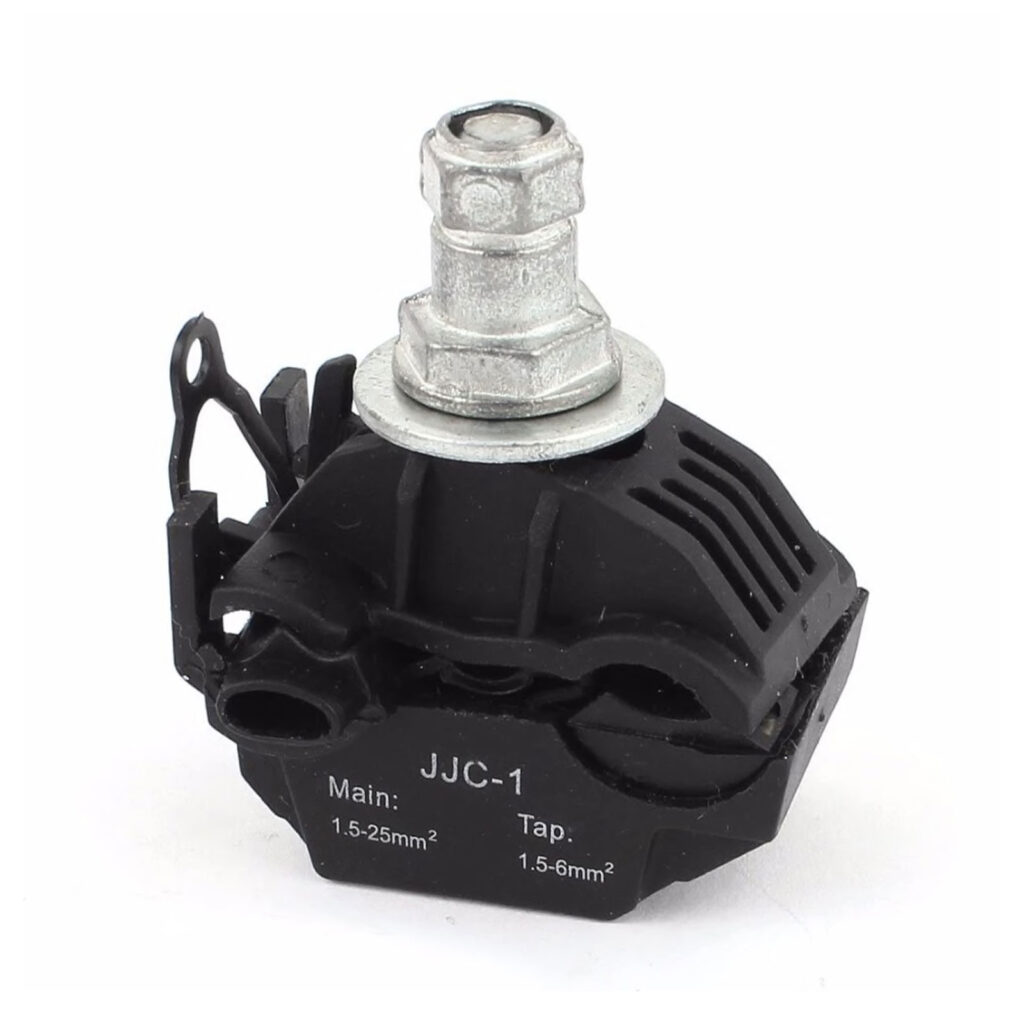
These are connectors designed for street lighting networks connected to overhead distribution lines. It is ideal for small-diameter conductors, integrates with insulated branch outputs, and is supplied with pre-installed cables. It serves in public lighting systems, urban lighting infrastructure, and smart lighting networks.
Multi-tap IPCs
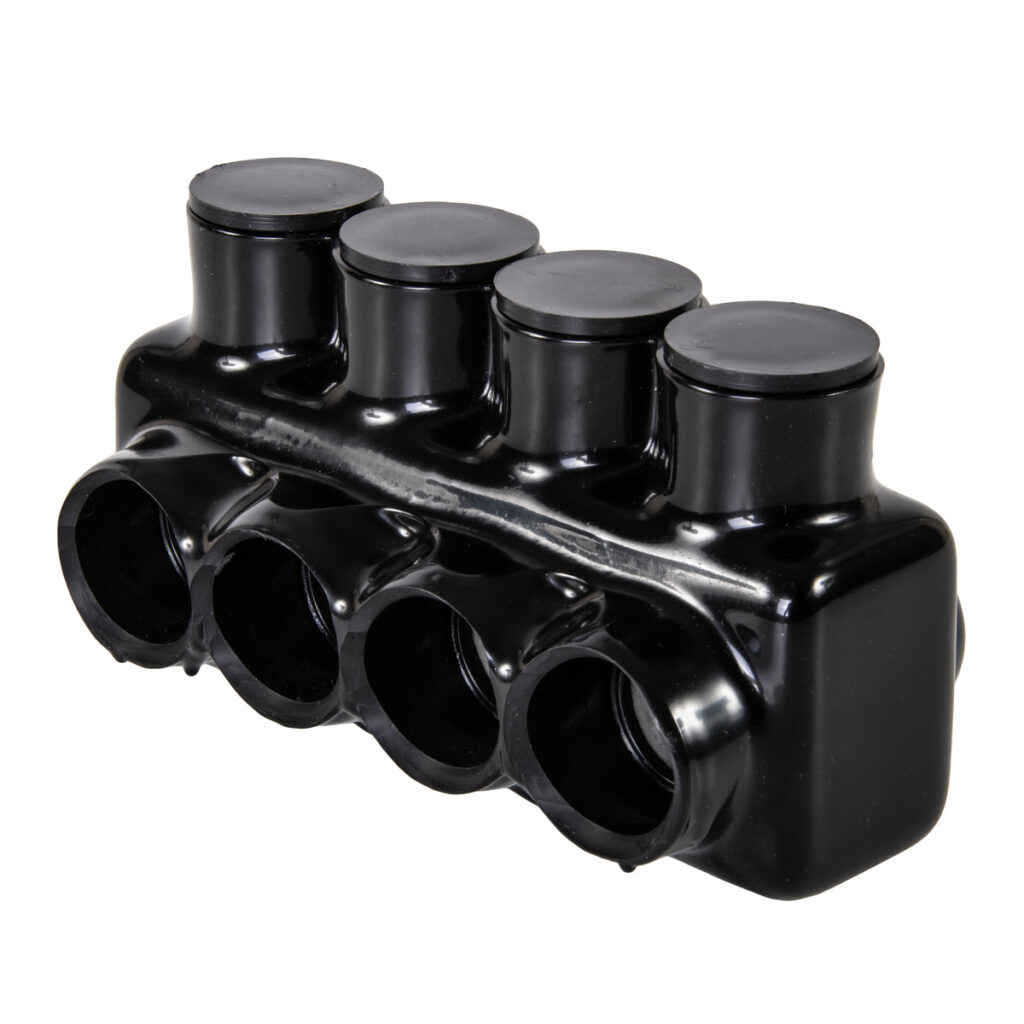
The IPCs allow many branch connections from a single main conductor. It features many contact points within a single connector body, high mechanical strength to support conductors, and a design for higher current capacity. They function in power distribution hubs in urban networks, industrial facilities, and renewable energy distributions. They reduce the number of connectors required, simplify cable management, and support network expansion.
Materials used for tap off connector and the role of quality assurance during manufacture
An insulation piercing connector is designed to provide electrical contact while maintaining insulation integrity in overhead distribution networks. Material selection for the connectors before manufacture is essential for their durability. Adhering to strict quality assurance during manufacturing ensures electrical performance, mechanical strength, and durability. Quality assurance ensures that insulation piercing connectors meet performance and safety standards. The materials undergo tests such as chemical composition verification, mechanical strength testing, electrical performance tests, and environmental tests. Key materials for the insulation piercing connectors include
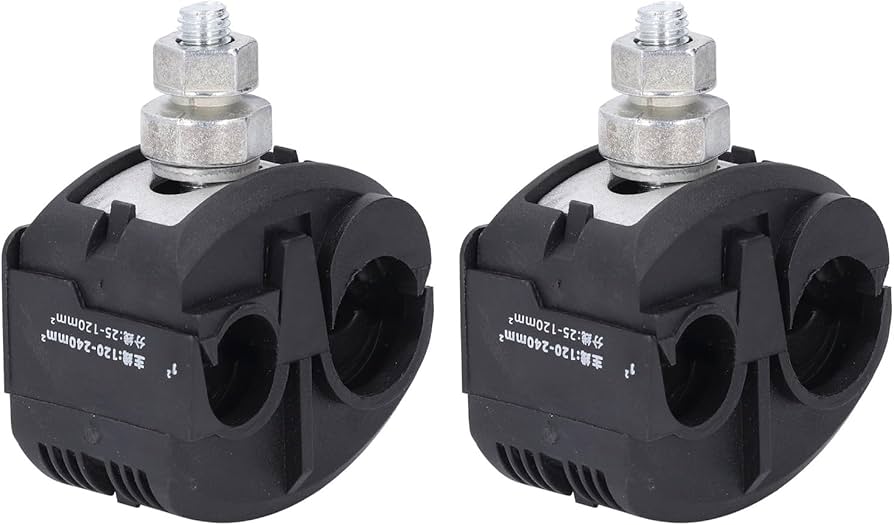
- Conductive contact blades—the contact blades form the electrical interface with the conductor by penetrating the cable insulation. These include tinned copper, aluminum alloy, and copper alloy. These materials offer high electrical conductivity, corrosion resistance in outdoor environments, and mechanical hardness to penetrate insulation without deformation.
- Connector body—this body provides electrical insulation, mechanical protection, and environmental sealing. The materials for the body include glass-fiber-reinforced thermoplastic, polyamide, and UV-stabilized engineering polymers. These materials ensure the connector body has high dielectric strength, is resistant to UV radiation, and has mechanical durability against vibration and mechanical loads. These materials ensure the connector can withstand temperature variations, humidity, and sunlight.
- Bolts and fastening components—bolts apply the mechanical compression force that drives the piercing teeth through the insulation. Common materials include hot-dip galvanized steel, stainless steel, and high-strength steel alloys. The insulation connectors use shear-head bolts, which break off once the required torque is achieved. These materials offer high tensile strength, corrosion resistance, and reliable torque transmission during installation.
- Sealing and waterproofing materials—sealing components protect the electrical interface from moisture and contaminants. Common materials include elastomeric rubber seals, silicone gel, and anti-oxidation grease. These materials have waterproofing sealing capability, chemical stability, and resistance to temperature variations. This helps prevent water ingress, oxidation, and electrical degradation.
The role of quality assurance in insulation piercing connector manufacturing
Enhancing quality assurance during the manufacture of insulation-piercing connectors ensures the connectors meet mechanical, electrical, and environmental performance needs. Manufacturing defects create live electrical connections without removing conductor insulation. Manufacturing defects can lead to overheating, connection failure, or network instability. Here are the roles of quality assurance during insulation piercing connector manufacturing.
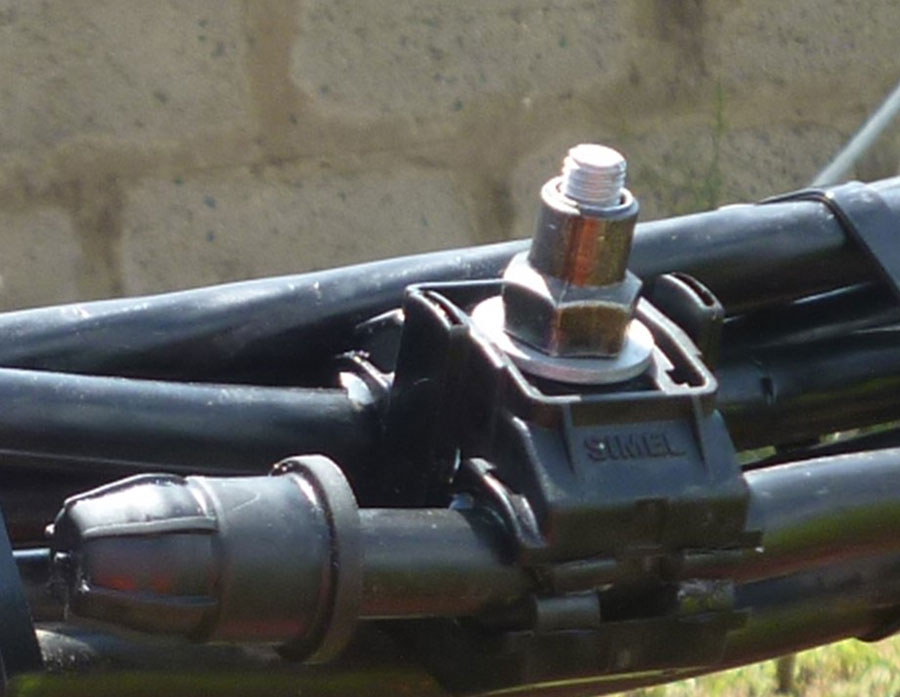
- Verification of raw material quality—this includes verifying the materials used during manufacturing. The process includes chemical composition analysis of metals, mechanical property verification, and inspection of coatings. This prevents inferior materials from entering the production process. It ensures the connector maintains corrosion resistance and electrical conductivity.
- Maintaining precision in manufacturing processes—insulation piercing connectors need precise component geometry to allow piercing teeth to penetrate insulation. Quality assurance monitors manufacturing stages such as metal stamping and forming, injection molding of the insulated housing, thread cutting, and bolt manufacturing.
- Ensuring compliance with technical standards—quality assurance ensures that insulation piercing connectors follow industry standards. Compliance ensures the connectors meet minimum thresholds for electrical conductivity, insulation integrity, and mechanical strength for reliable operation in distribution systems.
- Ensuring proper mechanical performance—quality assurance includes mechanical testing to confirm that connectors can withstand installation forces and operational stresses. QA evaluation includes torque verification for shear-head bolts, mechanical load and tensile tests, and conductor retention.
- Enhancing installation safety and performance—quality assurance ensures that the connector performs during field installation. For instance, the piercing blades must penetrate insulation without damaging the conductor core. This helps ensure safe installation and reliable service in electrical distribution networks.
- Protecting against environmental degradation—the insulation piercing connector undergoes UV radiation exposure tests, salt spray corrosion tests, thermal cycling tests, and moisture penetration and sealing tests. This helps the connector to withstand rain, humidity, temperature fluctuations, and pollution.
Applications of the tap off connector in energy infrastructure
The insulation-piercing connectors in modern energy infrastructure establish electrical connections without removing conductor insulation. Its design allows fast, reliable, and weather-resistant connections in overhead networks. Insulation piercing connectors support many operational and infrastructure functions in energy systems. Here are the common application areas of the insulation piercing connectors.
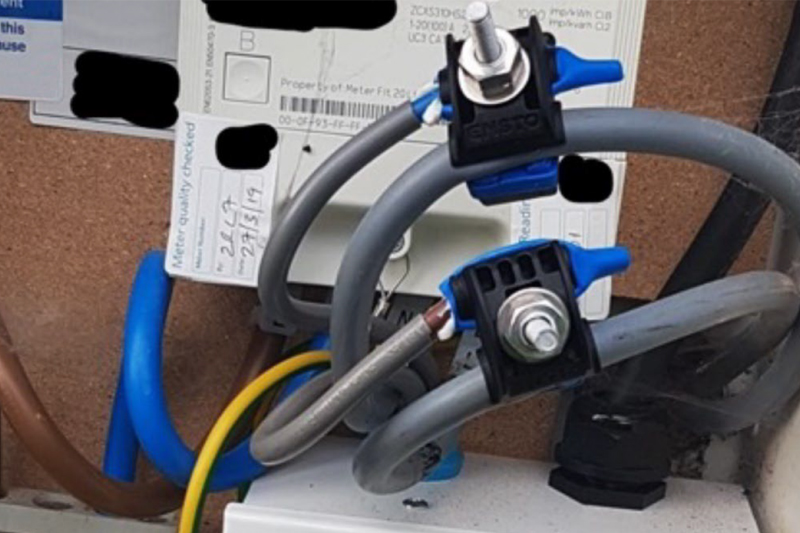
- Service connection in low-voltage distribution networks—utilities use insulation-piercing connectors to connect distribution lines to individual customers. They serve in residential power connections, commercial and industrial service drops.
- Aerial bundled cable distribution systems—IPCs serve in branch connections from ABC lines, parallel connections between conductors, and network extensions and upgrades. They enable utilities to expand distribution networks while maintaining conductor insulation.
- Street lighting networks—electrical systems depend on insulation piercing connectors to connect street lighting circuits to overhead distribution lines. The IPC connects streetlight poles and helps with the installation of urban lighting systems. They allow rapid installation of lighting circuits without requiring extensive cable preparation.
- Renewable energy distribution systems—IPCs serve in distributed energy infrastructure to integrate generation resources with the grid. They serve in solar microgrid distribution lines, wind farm auxiliary power networks, and rural electrification projects. Insulation piercing connectors allow grid integration and distribution connections.
- Electrical network expansion and upgrades—IPCs simplify network modifications to enable utilities to extend infrastructure. They help add new feeder lines, reinforce existing distribution circuits, and connect new loads to the grid.
- Smart grid and monitoring systems—modern grids incorporate sensors and monitoring devices to track system performance. IPCs help in the connection of monitoring sensors to overhead conductors and the integration of communication equipment in distribution networks.
Common quality failures for the insulation piercing connectors
Quality failures in an insulation piercing connector affect the reliability and safety of electrical transmission and distribution networks. Utilities should prevent material quality defects, ensure manufacturing accuracy, and enhance installation performance. This helps prevent overheating, corrosion, or mechanical instability. Common quality failures include poor electrical contact, incomplete insulation penetration, fastening failure, corrosion of material components, degradation of the insulated housing, seal failure, and mechanical weakness. These defects affect the reliability and safety of power distribution systems. Manufacturers should implement strict quality control procedures, material verification, and testing during manufacturing. This helps prevent common failures and ensure long-term performance.