
An optical ground wire (OPGW) cable is a dual-function cable installed on overhead high-voltage transmission lines. It combines the functions of a traditional ground wire and a fiber-optic communication cable in a single assembly. The cable mounts at the top of transmission towers and acts as a shield wire. The cable consists of the optical fiber core, metallic tubes, and stranded metallic wires. It has a metallic outer layer that intercepts lightning strikes and directs fault current to the ground. OPGW cables serve in SCADA systems, grid monitoring, relay protection signaling, telecommunication networks, and smart grid communication. Optical ground wire cables are installed on 66kV to 765kV transmission lines, along long-distance power corridors, and in regions that need both grid protection and communication infrastructure. The cables are crucial in electric utilities, renewable energy developers, transmission system operators, and telecom operators.
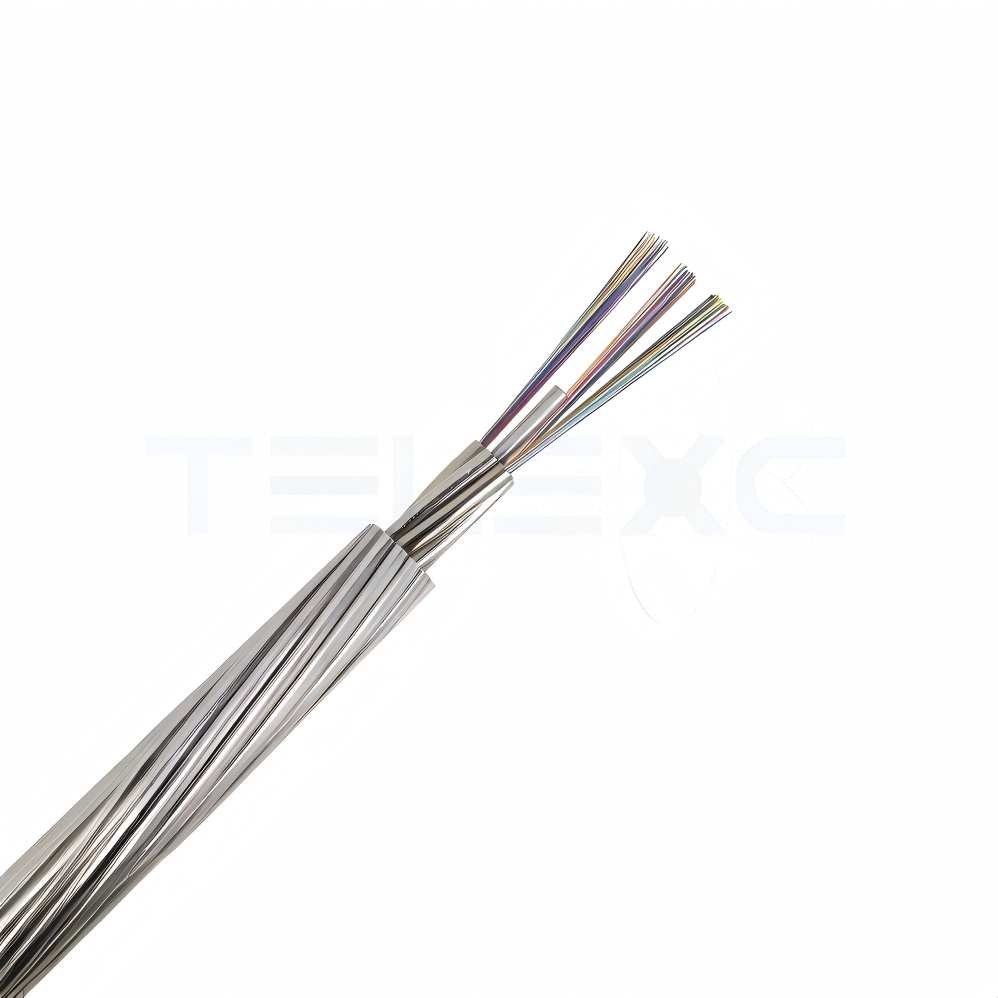
HexaCore OPGW Optical Ground Wire
Key Features
-
High fiber count supports up to 432+ fibers
-
Laser-welded stainless steel tubes for optical protection
-
Long span and high load capability
-
Unique tube identification for splice organization
-
Optimized mechanical and electrical performance
-
Anti-rotational devices are typically not required

Main types of OPGW cables
OPGW cable types depend on their structural design, fiber arrangement, mechanical performance, and application requirements in transmission networks. Selecting the OPGW cable depends on voltage level, environmental conditions, fiber capacity, fault-current requirements, and span length.
Central tube OPGW cables
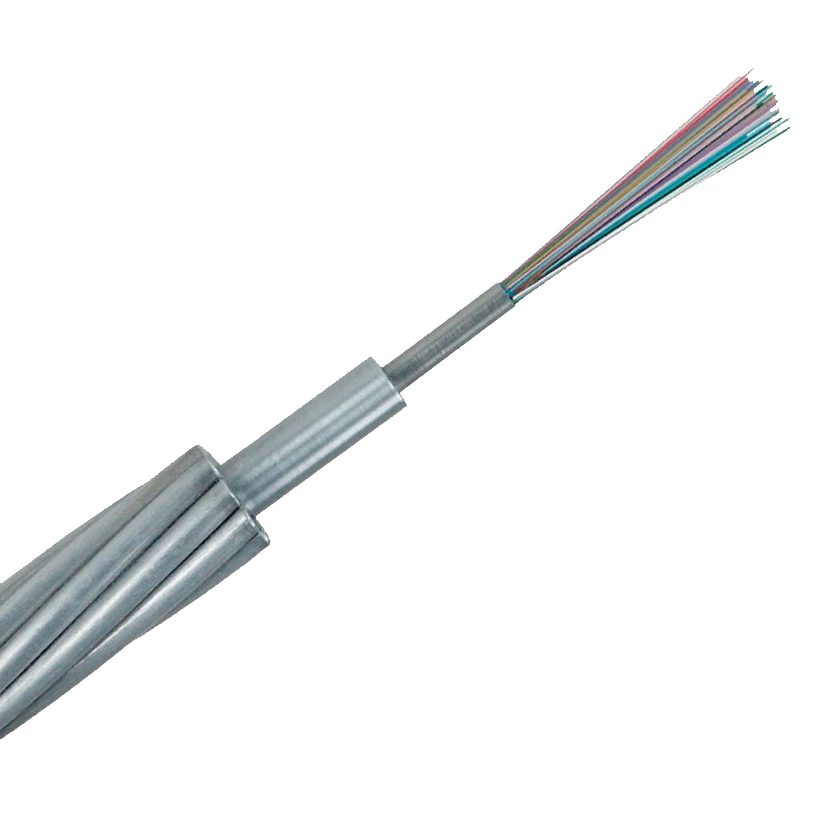
This contains optical fibers placed inside a single central stainless-steel tube surrounded by metallic stranded wires. It consists of the central fiber tube, water-blocking compounds, aluminum-clad steel, or outer stranded protective layer. Central tube cables have a simple construction, moderate fiber capacity, good mechanical strength, and cost-effective design.
Layer-stranded optical ground wire cables
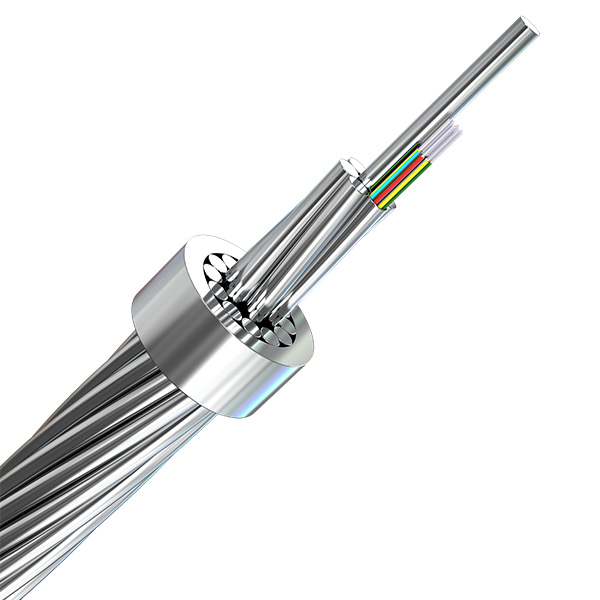
This cable uses many fiber-containing tubes stranded in layers around the central strength member. It consists of a central strength member, stainless-steel or aluminum tubes, a fiber unit stranded in layers, and metallic outer wires. It offers high fiber capacity, enhanced redundancy, and mechanical performance.
Aluminum tube cable
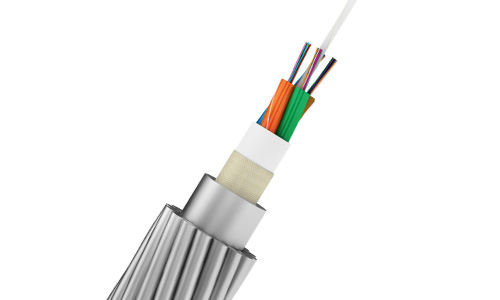
This type consists of optical fibers enclosed in aluminum tubes instead of stainless steel. It has lightweight construction, high conductivity, and improved heat dissipation. Aluminum OPGW cables offer lower cable weight, better electrical performance, and reduced tower loading.
Stainless steel tube cable
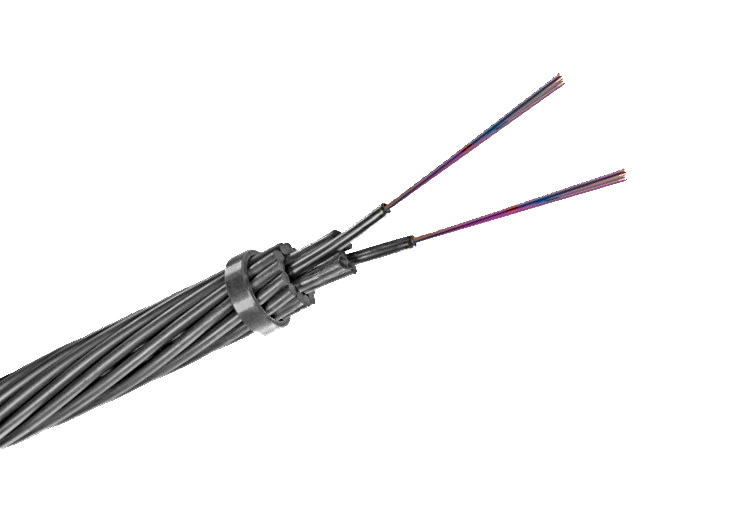
This design uses stainless-steel tubes for maximum fiber protection. It has high mechanical protection, corrosion resistance, and strong environmental durability. It serves in coastal regions, industrial zones, and harsh weather environments. Stainless steel tube OPGW cables have superior moisture resistance, long operational lifespan, and better fiber protection.
Single layer OPGW
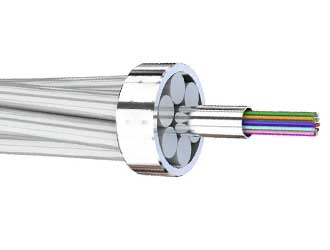
This uses one outer layer of metallic strands with a simple design and is suitable for lighter metallic layers. It has higher tensile strength and better fault-current capacity and is suitable for ultra-high-voltage lines.
Fiber count optical ground wire cables
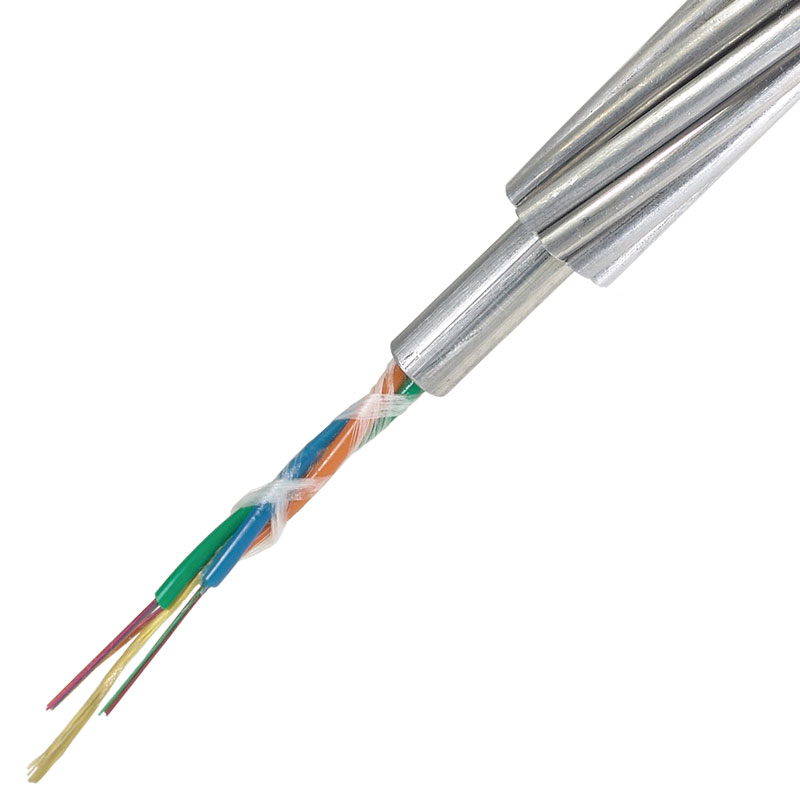
This may be low-fiber-count, medium-fiber-count, and high-fiber-count OPGW cables. They serve in utility communication, relay protection systems, SCADA systems, telecom integration, smart grid infrastructure, and large-scale data transmission.
Materials used for OPGW cables and how quality assurance protects them
Optical ground wire cables combine electrical grounding, lightning shielding, and fiber-optic communication in a single transmission line component. Quality assurance ensures that OPGW materials maintain electrical, optical, and mechanical performance throughout the cable’s service life. Quality assurance prevents failures such as signal attenuation, corrosion cracking, strand breakage, overheating, moisture ingress, and surface corrosion. Poor-quality OPGW materials can lead to fiber communication failures, grid instability, lightning damage, high maintenance expenses, and transmission outages. QA safeguards the materials in OPGW cables by making sure they can handle physical stress, electrical problems, corrosion, and damage from the environment in high-voltage power systems. Here are the common materials for OPGW cables.
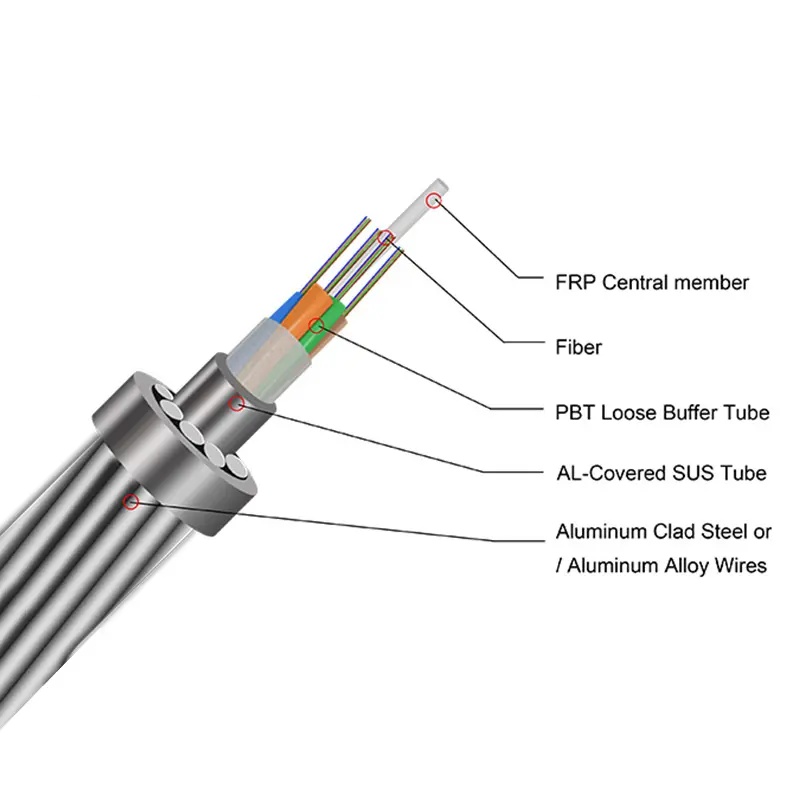
- Optical fibers – the optical fibers are the communication core of the OPGW cable. They are from materials such as ultra-pure silica glass, acrylate protective coatings, and UV-resistance polymer layers. They serve in high-speed data transmission, SCADA communication, relay protection signaling, and smart-grid monitoring.
- Stainless steel tubes – optical fibers are enclosed inside stainless steel tubes for mechanical and environmental protection. Stainless steel tubes protect fibers from crushing, prevent moisture penetration, resist corrosion, and maintain structural integrity during fault currents.
- Aluminum-clad steel wires (ACS) – these wires are part of the stranded outer layer. They offer lightning shielding, fault-current conduction, and mechanical load support. ACS wires combine steel strength with aluminum conductivity, improved corrosion resistance, and reduced weight compared to pure steel.
- Aluminum alloy wires – these wires improve conductivity and reduce total cable weight. They carry short-circuit current, improve conductivity, and reduce sag and tower loading. Aluminum alloy wires offer electrical conductivity, lightweight performance, and oxidation resistance.
- Protective coatings – these are surface coatings that improve environmental durability, resist oxidation, protect against salt spray, and improve UV resistance. Common coatings include zinc coatings, aluminum coatings, and anti-corrosion surface treatments.
The roles of quality assurance during OPGW cable manufacturing
Quality assurance for OPGW cables ensures it meets mechanical, optical, electrical, and environmental performance requirements for high-voltage transmission systems. QA helps manufacturers maintain product consistency, prevent material defects, improve transmission reliability, and ensure optical communication performance. Here is the quality assurance process for OPGW cable manufacturing.
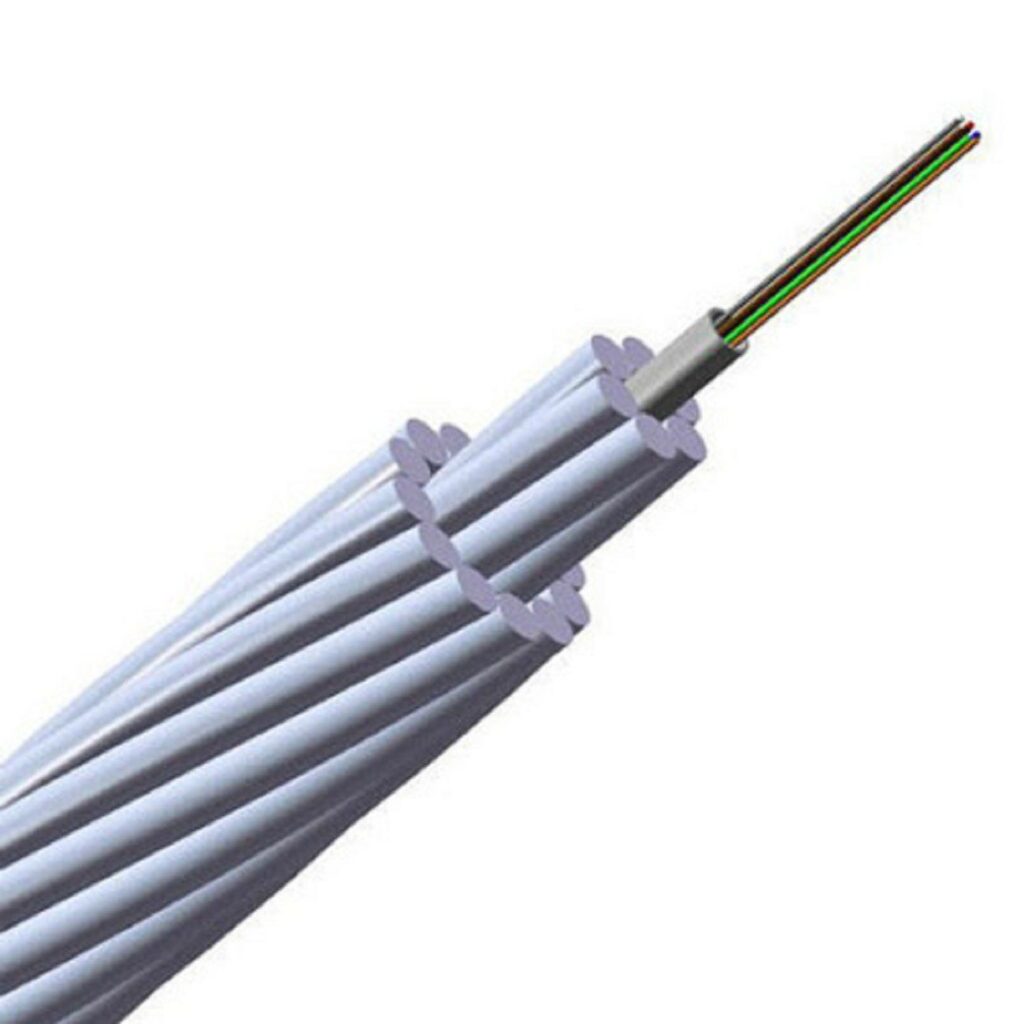
- Raw material verification – QA begins with the inspection and validation of incoming materials. This process checks optical fibers, stainless steel tubes, aluminum-clad steel wires, and aluminum alloy strands. QA confirms chemical composition, verifies conductivity levels, detects contamination, and ensures mechanical strength compliance.
- Protection of optical fiber integrity – optical fibers are sensitive to mechanical and environmental damage during manufacturing. The process includes monitoring fiber handling tension, preventing microbending, and controlling fiber placement accuracy. This ensures stable signal transmission, low optical loss, and reliable grid communication systems.
- Control of stranding and cable geometry – the stranded outer layers determine the cable’s mechanical and electrical performance. QA monitors strand alignment, verifies strand tension uniformity, maintains correct cable diameter, and ensures concentric cable construction. Improper stranding can cause uneven stress distribution, reduced tensile strength, and installation difficulties.
- Mechanical performance assurance – QA validates tensile strength, verifies crush resistance, and evaluates vibration resistance. It prevents cable deformation, strand fatigue, fiber damage during installation, and premature structural failure.
- Electrical performance validation – QA measures electrical resistance for the cables, verifies conductivity, tests short-circuit current performance, and monitors thermal stability. Electrical QA protects against overheating, grounding failure, lightning protection failure, and excessive thermal expansion.
- Corrosion resistance assurance – quality assurance inspects coating thickness, evaluates galvanization quality, conducts salt spray testing, and performs humidity aging tests. Corrosion helps prevent metallic deterioration, moisture intrusion, reduced electrical conductivity, and structural weakening.
- Process control during manufacturing – QA monitors production temperatures, controls strand tension, and verifies extrusion accuracy. This reduces production variability, manufacturing defects, material waste, and performance inconsistencies.
Common quality failures in optical ground wire cables
Optical ground wire cables operate in high-voltage transmission environments where they face lightning strikes, mechanical tension, vibration, thermal cycling, moisture, and environmental corrosion. Quality failures in these cables compromise electrical grounding and fiber-optic communication performance. Understanding these failures can help improve reliability, reduce outages, and strengthen transmission-network performance. Here are the common quality failures in OPGW cables.
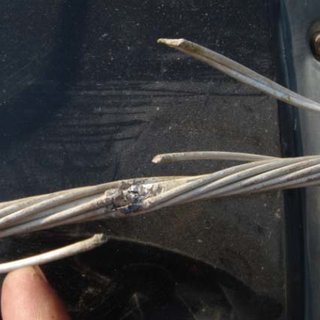
- Optical fiber attenuation failure – this is where signal strength weakens during transmission. It arises from fiber microbending, poor fiber handling, excessive installation tension, defective fiber coating, and compression inside fiber tubes.
- Corrosion of metallic components – this affects aluminum-clad steel wires, stainless steel tubes, protective coatings, and metallic strand wires. This arises from poor galvanization, industrial pollution, moisture ingress, and inadequate coating thickness.
- Strand breakage and mechanical fatigue—this comes from improper strand tension, poor wire quality, aeolian vibration, and excessive span loading.
- Water ingress failure – moisture penetration can damage fiber performance and metallic components. This comes from damaged seals, defective water-blocking compounds, cracked fiber tubes, and a poor manufacturing sealing process.
- Poor electrical conductivity—this is from low-quality aluminum alloy, improper strand composition, oxidation, and poor bonding between metallic layers.
- Fiber tube cracking – this comes from poor stainless-steel quality, excessive mechanical stress, manufacturing defects, and improper thermal treatment.
Best practices for optical ground wire cables
Optical ground wire cables serve the intersection of high-voltage power transmission and fiber-optic communications. They preserve both grounding integrity and optical signal quality over long service lifecycles. The OPGW cables need disciplined handling across design, installation, and maintenance. This to ensure reliable grounding and uninterrupted fiber-optic communication in high-voltage transmission systems. These practices include ensuring correct system design, using certified materials, controlled manufacturing, proper installation practices, reliable grounding, and corrosion protection. Best practices should ensure mechanical strength, optical stability, corrosion resistance, and proper installation discipline. This is to ensure long-term performance of OPGW cables in transmission networks.