
High Density Ribbon cable
What Is Ribbon Fiber Optic Cable?
A ribbon fiber optic cable arranges optical fibers in a flat, parallel row. Manufacturers bind these fibers together using a clear UV-cured acrylate resin matrix.
Standard fiber ribbon units contain 4 to 24 fibers. Individual fibers follow color codes per IEC 60304 standards. The 12-fiber ribbon is the most common industry design.
… Load moreShowing all 3 results
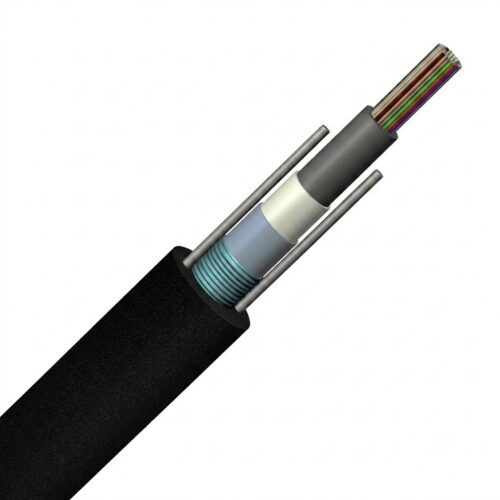
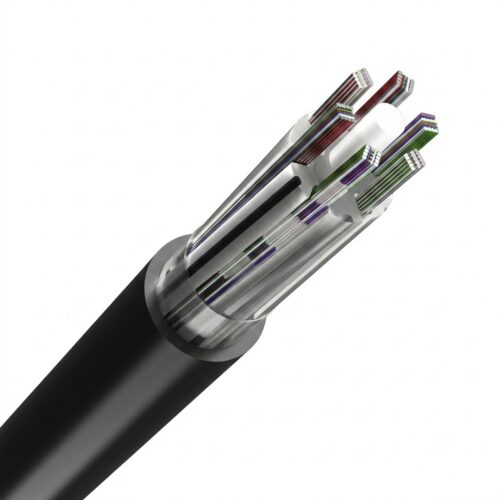
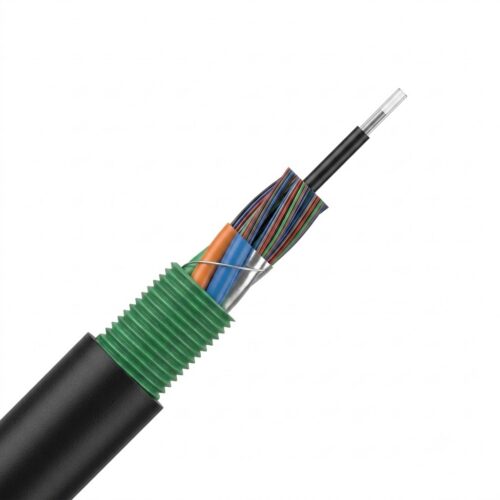
Engineers stack these flat ribbons into a compact rectangular array inside the jacket. This flexible cable structure offers high fiber density. It keeps the overall cable size small for any fiber optic installation.
Our optical cables meet key international quality standards:
-
IEC 60794 (Standard for optical fiber cables)
-
ANSI/ICEA S-87-640 (Standard for outside plant optical cables)
-
Telcordia GR-20-CORE (Generic requirements for optical fiber)
Key Technical Features
High Fiber Density
Ribbon technology fits more fibers inside tight duct spaces. Technicians expand fiber optic network capacity without digging new underground trenches.
Fast Mass Fusion Splicing
Single-fiber splicing takes a long time. Ribbon designs allow technicians to splice up to 12 fibers at once. This speeds up the whole installation process on big projects.
Compact and Lightweight Design
The flat ribbon structure saves internal space. This lowers cable weight. It simplifies pulling lines through long conduit paths.
Flexible Network Deployment
Engineers choose from several ribbon styles. Options include rigid ribbons, flexible ribbons, and easy-breakout units. These fit different job sites and varied types of fiber deployments.
Reliable Long-Term Performance
The resin matrix holds fibers in exact positions. This protects optical fiber signals from thermal changes, bending strain, and physical crushing for long term service.
Ribbon Fiber Types
-
Standard Bonded Ribbon Cable: Fibers lie side by side and bond fully inside a flat resin strip. Ideal for long distance telecom backbone lines, long-haul optical routes, and ftth networks.
-
Flexible Ribbon Cable: Fibers use partial bonding so they flex, fold, and bend easily. Ideal for high-density data centers, indoor-outdoor mixed lines, and space-limited pathways.
-
Quasi-Modular Low-Skew Fiber Unit: Coated fibers rest inside a thin-walled tube without a heavy bonding resin. Ideal for 40G, 100G, and 400G data center links and high-performance computing clusters.
-
Easy-Breakout Ribbon Cable: Features special resin grooves or gaps to separate fiber groups quickly by hand. Ideal for data center breakout assemblies, patching panels, and MPO/MTP fiber trunks.
-
Split Flat Cable: Individual flat micro-cables share a main outer jacket. Installers pull each sub-cable out separately when needed.
-
Gapped Ribbon: Small gaps divide fiber groups inside the ribbon matrix. Installers separate these groups by hand or with simple hand tools.
-
Notched and Winged Ribbon: Special resin grooves mark separation lines. This layout maintains structural stability until technicians split the ribbon.
-
Cable Construction Options
The outer cable structure protects the internal fiber ribbon stack from physical damage during the cable installation phase.
-
Layer-Stranded Cable: Ribbon tubes wrap around a central strength member like stranded loose tube fiber optic cables. Used for outdoor backbone lines, underground duct routes, and ftth feeder networks.

-
Skeleton Cable (Slotted Core): Ribbons rest inside fixed slots extruded on a hard plastic core. Used for building backbone shafts, vertical riser pathways, and indoor distribution networks.

-
Central Tube Cable: Stacked ribbons rest inside a single central tube cable structure. Used for local access networks, short to medium distance links, and cost effective project budgets.

Primary Applications
A ribbon fiber optic cable serves high-capacity networks across many industries:
-
Telecom backbone routes and city rings linking to the central office
-
High-density data center interconnects (DCI)
-
Fiber to the home (home ftth) feeder and distribution paths
-
5G xHaul transport systems and internet connectivity backbones
-
Railway signaling and transit networks
-
Industrial campus communication lines
-
Enterprise riser and backbone shafts
Mass Fusion Splicing Steps
Deploying fiber cables requires dedicated tools. Following a strict installation process keeps signal loss low across all fibers.
-
Strip: Remove the outer cable jacket, strength member, and buffer tube. Expose the target ribbons cleanly.
-
De-coat: Place the ribbon in a heated thermal stripper. Remove the UV acrylate matrix without scratching glass.
-
Clean: Wipe bare glass fibers using lint-free 99% isopropyl alcohol wipes. Keep the fiber array flat.
-
Cleave: Insert the ribbon into a mass fiber cleaver. Cut all 12 fibers at a precise 90-degree angle.
-
Fuse: Load the ribbon into a mass fusion splicer. Run the automatic arc alignment cycle to fuse all fibers at once.
-
Protect: Slide a thermal splice sleeve over the joint. Heat-cure it inside the integrated oven to seal the connection.
Selection and Ordering Guidelines
Choosing the right cable design depends on your project needs. Consider these factors before bringing fiber to your job site:
-
Fiber Count: Match core needs with 12-fiber or 24-fiber ribbon stacks.
-
Environmental Rating: Select riser-rated jackets for indoor use. Choose armored jackets for direct burial.
-
Water Blocking: Choose dry water-blocking tape for clean installation. Pick gel-filled tubes for harsh outdoor moisture protection.
-
Ribbon Structure: Pick standard ribbons for long straight pulls. Use flexible ribbons for tight indoor bends where cables running through conduits need high flexibility.
Summary
Selecting the correct ribbon fiber optic cable saves space and lowers labor costs. Technicians speed up field work using mass fusion splicing. Modern optical cables meet IEC 60794 standards. This technology builds fast, reliable fiber systems ready for future network growth.