
Duct Fiber Cable
Duct Fiber Optic Cable: Overview, Types, Installation & Market Insights
Duct fiber optic cable is built specifically to run inside underground conduits and pre-laid pipe networks. By housing many glass fibers inside a protective outer duct, these cables form a tough, long-lasting backbone. They carry light signals for hundreds of miles with minimal signal loss.
… Load moreShowing all 6 results
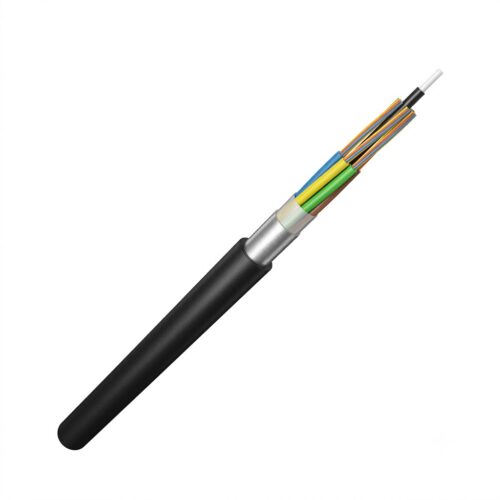
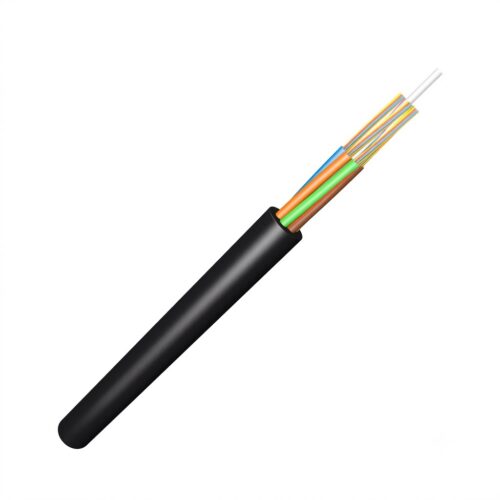
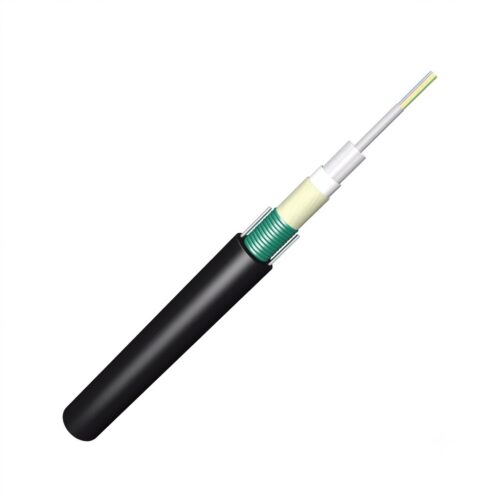
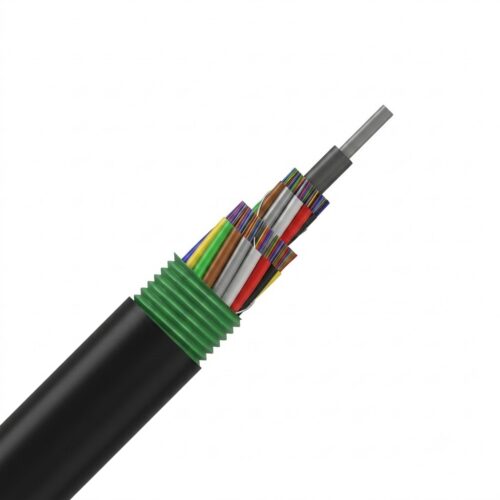
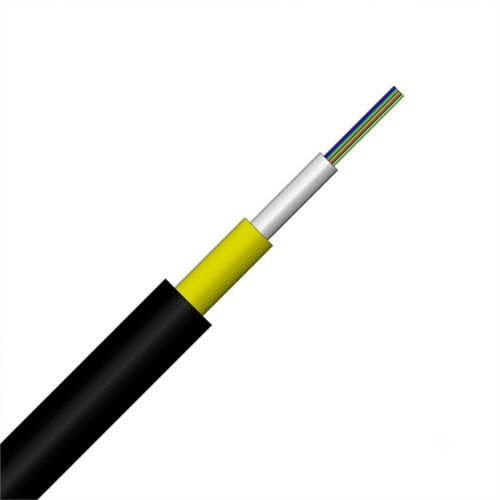
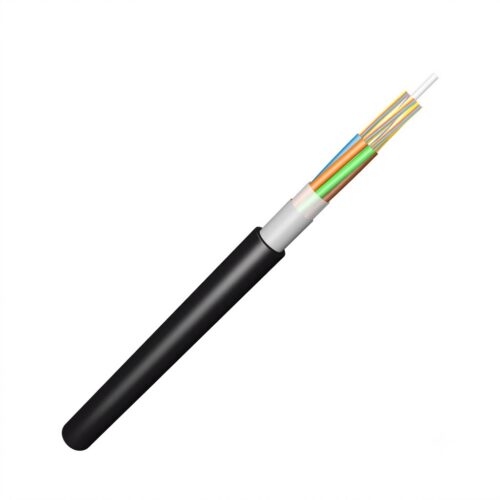
Loose tubes enclose ultra-fine optical fibers, supported by high-strength aramid yarn (Kevlar), optional steel tape armor, and a rugged outer sheath to ensure maximum cable durability.
When placed in HDPE, PVC, or steel ducts, the assembly resists soil moisture and chemicals. It also handles temperature shifts and mechanical stress well.
Duct systems offer strong scalability for long-haul networks and urban FTTH (Fiber-to-the-Home) deployments. Contractors can install new fiber optic cables later. They can use pulling or air-blowing methods. This avoids road excavation and reduces labor and costs.
Why Underground Duct Systems Matter
Demand for protected fiber infrastructure is growing rapidly. Here is why network operators choose duct-based deployments:
-
Surging Global Traffic: Internet traffic continues to grow by roughly 22% every year (ITU data). Video streaming, cloud computing, and AI demand higher bandwidth underground.
-
Expanding Market Value: The dedicated duct fiber cable market alone is forecast to grow from $8.5 billion to $14.5 billion over the next decade—nearly doubling in size.
-
Protecting Civil Investments:Civil engineering, permits, and trenching can make up to 80% of installation costs. In urban areas, costs can reach $24 per foot. Installing a duct upfront protects this investment, letting you upgrade fiber capacity trenchlessly for decades.
-
Ready for 5G Density: 5G networks require 3 to 5 times more optical fiber connections than 4G. Duct networks make it easy to add fiber capacity as small-cell density grows.
Key Cable Structure & Mechanical Specifications
Premium duct cables use specialized strength members to handle heavy pulling forces and tough field conditions during installation.
Core Mechanical Ratings
-
nstallation Tensile Strength: Built to handle 200 to 600 lbs (900–2,700 N) of pulling force. This makes them safe for long-distance mechanical pulls and air-blowing runs.
-
Bending Radius Limits: Use a dynamic bend radius of at least 20× the cable outer diameter (OD). During installation, keep this limit to prevent micro-bending signal loss. Once secured in place, use a length at least 10 times the outer diameter (OD).
-
Crush Protection: Armored outdoor cables withstand crush forces up to 1,800 N/10cm, shielding fibers from soil shifts and heavy surface loads.
Global Standards Compliance
Our duct cables fully meet major international telecom standards, ensuring seamless compatibility with standard underground hardware:
-
Fiber & Cable Performance: IEC 60794 series, Telcordia GR-20, ITU-T G.652.D, G.655, and G.657.
-
Grounding & Safety: ANSI/TIA-607-C and IEEE Std 1100-2015.
Types of Ducts and Cables
Choosing the right duct material and cable construction ensures smooth deployment and long-term network stability.
By Duct & Conduit Options
- HDPE / Silicon-Core Ducts: Flexible, chemical-resistant pipes with a permanently lubricated inner lining. Suitable for long-distance air blowing.
-
Microducts: Small sub-ducts designed to maximize space inside crowded conduits. Perfect for high-speed micro-cable blowing.
-
Innerducts: Sub-conduits placed inside larger main pipes to separate different fibers or service providers.
-
Corrugated Ducts: Flexible conduits made for tight bends and complex urban pathways.
By Cable Architecture
- Loose-Tube Stranded Cable: The standard choice for outdoor ducts. Delivers excellent tensile strength, water blocking, and environmental protection.
- Armored Duct Cable: Features corrugated steel tape (CST) armor to protect against rodents, crush forces, and accidental construction damage.
- Central Tube Cable: Houses all fibers inside a single central tube. Compact and lightweight, making it ideal for air blowing over long distances.
- High-Fiber-Count Cable: Available in multi-tube or ribbon options, from 12 to 864+ fibers. It supports large network expansion.
Where Duct Cables Are Used
- Long-Haul & Metro Core Networks: Interconnecting major cities and carrying heavy data traffic across regions.
- Access Networks & FTTH: Delivering fast, reliable fiber connections straight to residential and commercial end users.
- Data Centers & Campuses: Linking enterprise buildings with high-speed, low-latency optical connections.
- Critical Infrastructure: Providing secure, redundant links for financial hubs, government sites, and utilities.
- 5G Backhaul & Smart Cities: Connecting outdoor small cells, traffic sensors, and security cameras across urban areas.
Cable Installation Methods
Underground duct cables are usually installed using four common field methods:
- Pulling Method: Pulls the optical cable through the pipe using a pre-installed pull rope. This direct, simple approach is best suited for short-distance or straight runs (under 200 meters).
- Air-Blowing Method: Moves cables forward using compressed air and mechanical drive units.It greatly reduces friction, so it suits complex routes over 1 km with many bends.
- Trenching & Plowing: Digging a narrow trench or plowing a continuous slit to lay ducts along highways and open fields.
- Horizontal Directional Drilling (HDD): A trenchless method that drills under roads, rivers, or structures without disturbing the surface.
Quick Comparison: Pulling vs. Air-Blowing
| Factor | Cable Pulling | Air-Blowing |
| Pull Line Needed? | Yes, required upfront | No |
| Crew Placement | Crews needed at both ends | Equipment placed at entry point only |
| Cable Stress | Higher friction on turns and bends | Low, evenly distributed air pressure |
| Best Route Type | Short, straight runs | Long routes with bends and undulations |
| Single Run Distance | Up to 200–300 meters | 2,000+ meters in a single pass |
Best Practices for Field Installation
Following proper installation steps prevents cable damage and ensures optimal long-term signal performance.
Site Safety & Pre-Checks
- Set up clear traffic zones with barricades and warning signs.
- Ventilate manholes, test for dangerous gases, and pump out standing water before entering.
- Inspect cable reels for physical damage. Always pay out cable from the top of the reel to prevent twisting.
Tension & Bend Control
- Use a tension meter during pulling and stay below maximum rated pulling limits.
- Apply approved cable pulling lubricant to minimize wall friction in tight turns.
- Install a swivel line between the grip and pull line to keep the cable from twisting under tension.
- Keep dynamic bend radius at ≥ 20× OD during installation.
Air-Blowing Tips
- Pressure-test the duct before blowing to ensure it is clear and airtight.
- Make sure all duct connectors are smooth and tight so they won't scratch the cable jacket.
Slack, Sealing & Testing
- Store extra slack in manholes using a standard "figure-8" pattern to eliminate stress.
- Once the cable is in place, cut off about 3 meters from the leading end. Seal it right away with a waterproof cap.
- Run bidirectional OTDR testing right away to measure link loss and document splice locations.
Strategic Value of Duct Fiber Infrastructure
Investing in a duct-based fiber system brings long-term efficiency and peace of mind. While early civil works need upfront capital, a duct system offers decades of reliable use.
It protects against weather and surface hazards. It also prevents scrap-metal theft. Air-blowing technology makes future upgrades easy.