Q1: Can this type of cable be buried directly in the ground?
A: Not without extra protection. Because these cables have no metal armour, they are vulnerable to crushing, rocks, and rodent bites. If you need to bury them, you must install them inside a conduit, pipe, or concrete duct to prevent damage.
Q2: Does the cable provide electrical grounding or lightning protection?
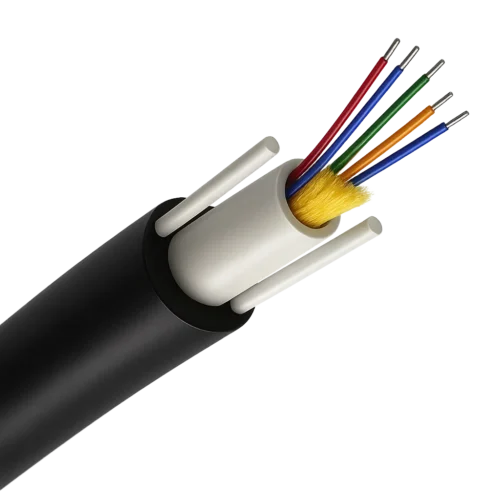
A: No. The all‑dielectric (non‑metallic) construction is excellent for avoiding electromagnetic interference, but it cannot be used for grounding. In places where you need a conductive path (e.g., for lightning down‑leads), you will have to choose a cable with metallic elements.
Q3: How strong is it against pulling forces?
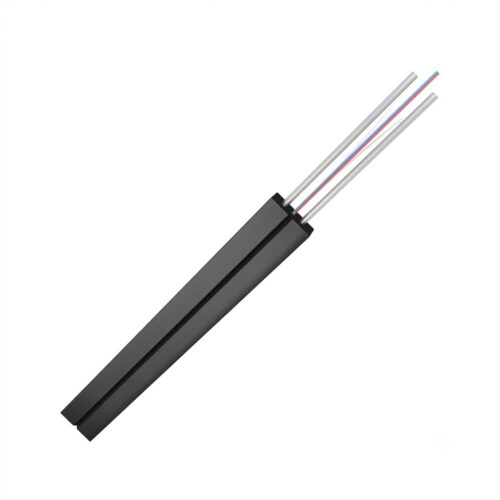
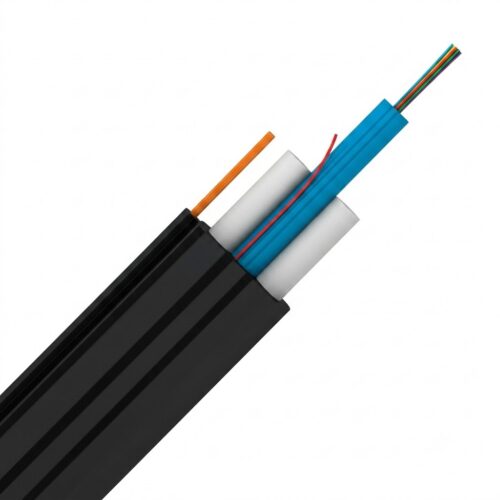
A: It has moderate tensile strength, thanks to a central FRP (fibreglass) rod, but it is not as strong as steel‑reinforced or armoured cables. That means it is not suitable for long‑span aerial installations, underwater use, or any situation where high pulling stress is expected.
Q4: Is it resistant to rodents?
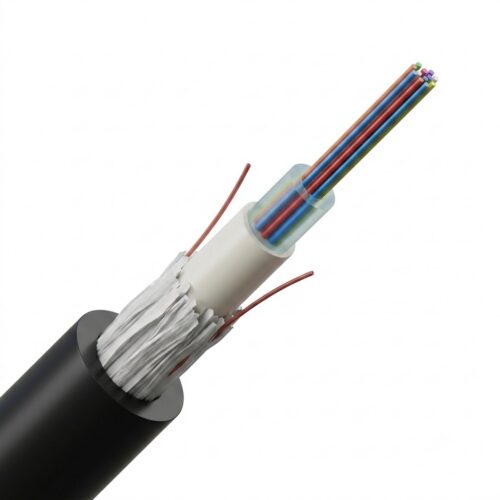
A: Not really. The plastic sheath offers little defence against rats or squirrels. In areas with heavy rodent activity, you should either place the cable in a rodent‑proof conduit or choose a cable that has a metal armour layer.
Q5: Can it withstand heavy pressure or impacts?
A: Its crush resistance is limited. Without a steel tape or wire armour, the cable can be easily damaged if run over by vehicles, struck by heavy tools, or pressed against sharp rocks. In industrial or construction zones, protective piping is highly recommended.
Q6: Is it safe to install in high‑traffic areas, such as along roads or busy footpaths?
A: Not if it is exposed. The cable is easily damaged by frequent foot or vehicle traffic. If installation is unavoidable in such places, you must put it inside a strong protective duct or a buried trough.
Q7: Does sunlight affect the outer sheath over time?
A: Yes. The polyethylene (PE) jacket has some UV resistance, but years of direct sunshine, especially in tropical or high‑altitude regions, will gradually make the sheath brittle and cracked. Regular inspections and, if possible, using a cable with enhanced weather‑resistant jacket are advisable.
Q8: Can it be used in rocky, abrasive, or harsh terrain?
A: Not ideally. The soft outer jacket is easily cut or abraded by sharp stones and rough surfaces. In such environments, a double‑armoured cable or a heavy‑duty outdoor cable is a much better choice.
Q9: How do extreme temperatures affect its performance?
A: Wide temperature swings can still cause the jacket to expand and contract, which may increase signal loss (micro‑bending). For areas with severe cold or heat, you should select a cable that is rated for that specific temperature range.
Q10: If the cable itself is inexpensive, why can the total project cost be higher?
A: While the cable is lightweight and cost‑effective for aerial use, the extra protection it needs (conduits, ducts, or special supports) for underground or high‑risk areas often adds significant material and labour costs. In the end, the total installation may become more expensive than using an armoured cable from the start.
Final Recommendation
This type of non‑metallic cable works best in aerial or duct‑based installations where mechanical stress is low. For direct burial, heavy traffic zones, rodent‑prone areas, or rocky ground, you should evaluate stronger armoured alternatives (e.g., steel‑tape or steel‑wire armoured cables) to ensure long‑term reliability.