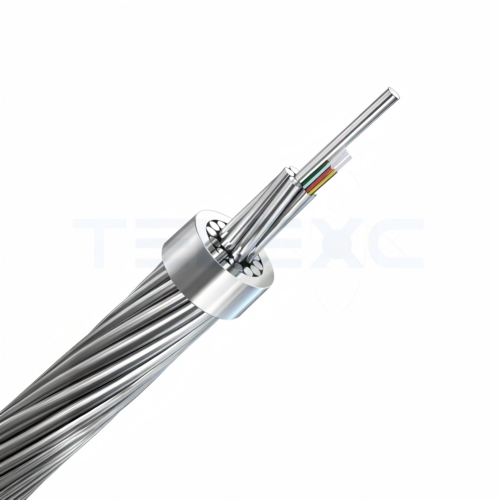
OPGW(Optical Ground Wire) Cable
OPGW Cables (Optical Ground Wire) are high-performance hybrid conductors engineered for modern electrical grids and next-generation communication networks. Installed at the absolute pinnacle of overhead transmission towers, OPGW seamlessly combines electrical grounding, lightning protection, and high-capacity fiber optic data transmission into a single, robust cable solution.
By replacing traditional overhead shield or ground wires, OPGW serves as a vital OSP (Outside Plant) aerial lifeline. It not only safeguards high-voltage infrastructure against lightning strikes and short-circuits but also acts as the high-speed backbone that transmits critical real-time data across vast distances, eventually bridging the gap to ISP (Inside Plant) network environments at substations and data centers.
…OPGW Cables (Optical Ground Wire) are high-performance hybrid conductors engineered for modern electrical grids and next-generation communication networks. Installed at the absolute pinnacle of overhead transmission towers, OPGW seamlessly combines electrical grounding, lightning protection, and high-capacity fiber optic data transmission into a single, robust cable solution.
By replacing traditional overhead shield or ground wires, OPGW serves as a vital OSP (Outside Plant) aerial lifeline. It not only safeguards high-voltage infrastructure against lightning strikes and short-circuits but also acts as the high-speed backbone that transmits critical real-time data across vast distances, eventually bridging the gap to ISP (Inside Plant) network environments at substations and data centers.
Core Structural Components

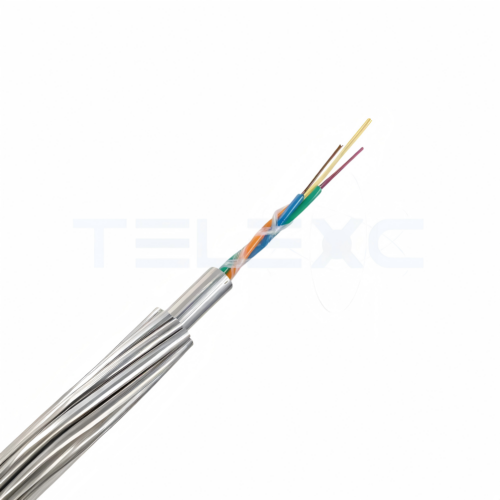
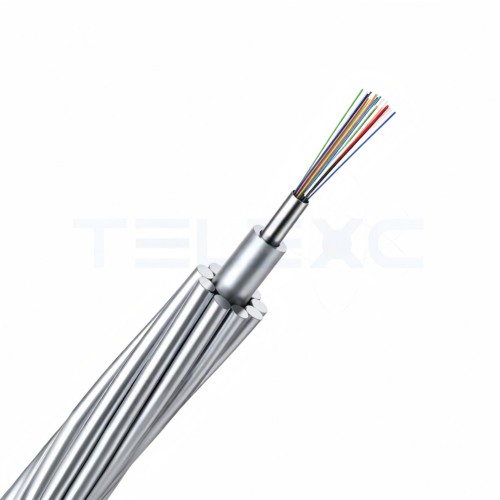
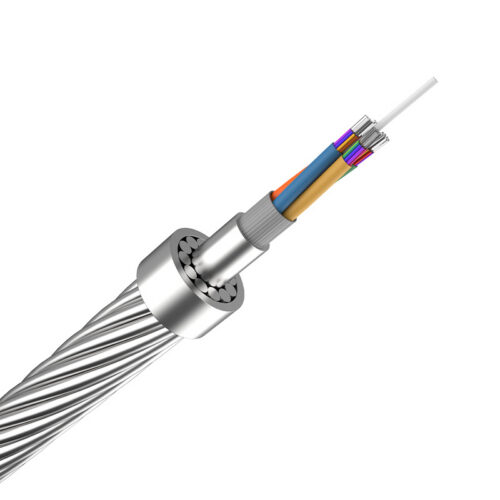
The structural design of an OPGW cable is highly sophisticated, engineered to withstand the mechanical stresses of high-voltage power lines while protecting the delicate optical fibers within:
Optical Fiber Core and Cladding Layer: The innermost core, made of ultra-pure silica glass, carries light signals for data transmission. It is surrounded by a cladding layer with a lower refractive index (often doped with fluorine) to enable total internal reflection and prevent signal loss.
Primary Buffer Coating: Typically made of acrylate or silicone, this coating shields the core and cladding from moisture and minor mechanical damage while adding the flexibility needed to endure power line vibrations.
Loose Tube or Metallic Tube Buffering: Fibers are housed within protective tubes using one of two primary technologies:
Loose Tube Buffering: Plastic sleeves filled with water-resistant gel that allow the fibers to float loosely, offering excellent water resistance and stress relief.
Metallic Tube Buffering: Stainless steel tubes that tightly encase the fibers, providing a superior mechanical and electrical shield while contributing to grounding.
Strength and Support Elements: Composed of central and outer layers of aluminum or steel wires (such as aluminum-clad steel or aluminum alloy strands). These act as the primary strength members and grounding conductors, supporting the cable's weight and tension against wind loads.
Outer Protective Layers: This comprehensive setup includes inner layer insulation (a polymer or composite layer) to prevent electrical interference, an armoring layer (steel or aluminum wires) to protect against lightning strikes and mechanical damage, and an outer jacket (polyethylene or similar material) with an anti-corrosion coating to shield the structure from UV radiation, moisture, and atmospheric rust.
Key Benefits & Advantages
-
Dual Functionality: Integrates reliable ground shield protection with multi-fiber optical communication in a single footprint.
-
Superior Mechanical Strength: Engineered with high tensile strength to withstand extreme environmental loads like snow, ice, and high winds over long spans.
-
Excellent Short-Circuit Capacity: Optimizes fault current-carrying capability while maintaining minimal sag during normal and fault conditions.
-
Robust Fiber Protection: Optical fibers are securely encased within a corrosion-resistant metallic structure, ensuring a long service life with minimal maintenance.
-
Seamless OSP-to-ISP Integration: Acts as the primary long-haul OSP backbone, designed for effortless splicing and transition into ISP termination systems, patch panels, and switching equipment within power substations.
-
Highly Compatible: Smaller dimensions and lighter weight ensure compatibility with existing pylons, hardware, and standard stringing techniques.
Product Range & Custom Configurations
We offer a comprehensive portfolio of OPGW designs tailored to meet the specific mechanical and electrical characteristics of your overhead transmission lines:
1. Traditional All-Metal OPGW Designs
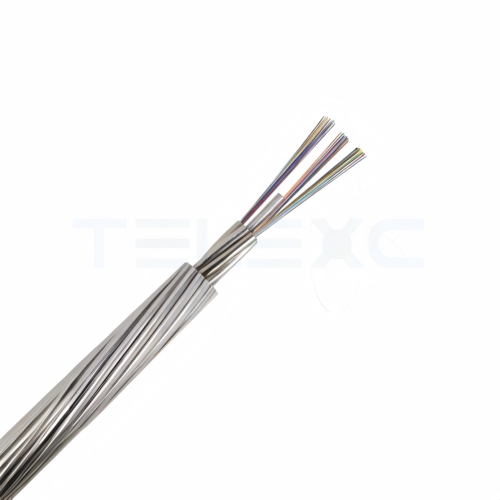
Conventional, field-proven designs featuring jelly-filled aluminum or stainless-steel tubes housing the optical fibers. These tubes are surrounded by layers of AAAC (Aluminum Alloy Conductors), AAC, or ACSR (Aluminum Conductor Steel Reinforced) strands, depending on your short-circuit and tensile requirements.
2. Advanced Hybrid OPGW Designs (For Demanding Environments)
Our latest generation of hybrid OPGW features a stranded central carbon fiber/glass/aluminum composite strength member instead of a traditional steel core.
-
Increased Current Capacity: Allows a greater volume of aluminum—including shaped trapezoidal wires and high-temperature zirconium-aluminum (TAL) alloy wires—to be utilized without any weight penalty.
-
Triple Protection: Encasing the hybrid composite members in a seamless, jelly-filled aluminum sheath provides unparalleled mechanical integrity and maximum environmental protection for the enclosed fibers.
Showing all 5 results