
Tactical fiber optic cable
Tactical Fiber Optic Cable
Field networks need tough transmission links. Standard glass lines break fast outdoors. They cannot withstand heavy mechanical loads or adverse weather conditions.
A tactical fiber optic cable solves this physical weak spot. Field teams also call this product a field-deployable fiber optic cable or a harsh environment cable. Engineers design these specialized lines for fast unspooling and repeated reuse.
… Load moreShowing all 2 results
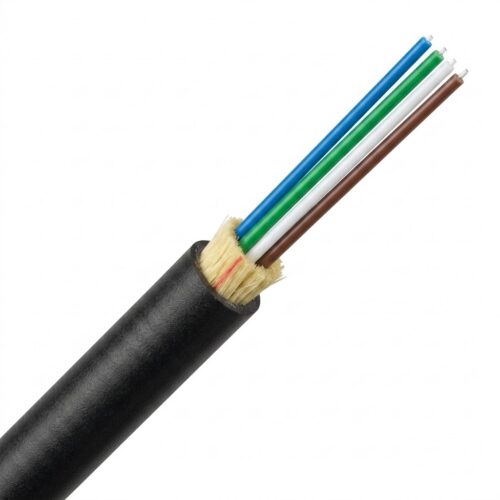
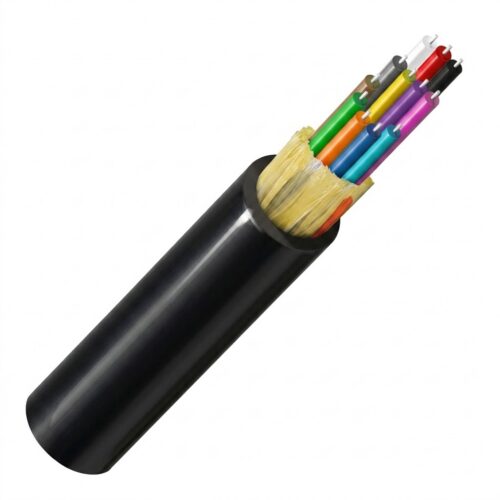
Field technicians unpack reels from transit cases. They unspool lines by hand or towing vehicles.
Military units use these lines in the field. Broadcast crews and emergency units rely on them as well. These users need instant, high-speed data flow.
Fixed cables rest inside indoor pipes or conduits. In contrast, field lines lie on open ground. They endure truck traffic, sharp rocks, and fuel spills.
Dielectric builds block radio noise completely. They eliminate electrical grounding steps during field setup. Tactical lines stay flexible in extreme cold weather. They resist twists, kinks, and tight bends.
Their tough outer skin shields inner glass fibers from crush forces. Crews roll them out fast across rough ground. They retrieve them quickly when field work ends.
Tactical Fiber Optic Cable Assemblies (TFOCA)

Field crews do not have time to prep raw fiber ends on site. Instead, teams deploy complete cable assemblies known as TFOCAs. A standard kit combines a multi-fiber tactical cable, factory plugs, and a steel reel.
The core component of a TFOCA kit is its TFOCA connector. This plug uses a specialized hermaphroditic design. A genderless pin layout lets any two cable ends join directly.
Technicians do not need adapter units in the field. The connector housing uses heavy aluminum or stainless steel. Dust caps attach via steel lanyards to prevent loss.
Field teams link many reels end-to-end to build long links. This feature simplifies field logistics and cuts gear inventory.
Reels play a major role in field work. Steel reels feature folding hand cranks and axle brakes. Axle brakes keep drums from spinning too fast during unspooling. Recessed hub plates protect connector ends during rough transit.
Physical Cable Construction and Material Layers
A tactical cable uses layered shields to protect inner glass cores. Each layer serves a clear mechanical role to prevent signal loss.
-
Tight-Buffered Optical Strands: Individual 250 µm glass strands receive a 900 µm tight buffer layer. This thick coating protects glass from impacts. It allows fast connector attachment in the field. The 900 µm tight buffer strips cleanly in a single pass. Color sequences follow blue, orange, green, and brown order per TIA-598-D. Engineers specify bend-insensitive G.657.A2 glass cores. This glass permits tight bend limits down to 7.5 mm without signal loss. Used in field lines and patch cords.
-
Aramid Yarn Strength Members: Woven Kevlar yarns wrap around buffered fibers. These synthetic yarns absorb high pulling tension during fast vehicle unspooling. The yarn layer prevents pulling stress from stretching inner glass strands. Deployed in all field cables to ensure high tensile strength.
-
Pressure-Extruded TPU Sheath: The outer jacket uses tough thermoplastic polyurethane (TPU). Extruders apply TPU directly over internal fibers under high pressure. This process bonds the sheath tight to the core. It stops jacket wrinkling during sharp turns. The material resists cuts, fuel spills, UV rays, and wear. Essential for heavy truck traffic.
-
Internal Polyester Ripcord: Strong synthetic cords lie under the outer TPU sheath. Technicians pull these ripcords to slice through tough outer plastic cleanly during repair work. Integrated into tactical assemblies for rapid field termination.
-
Stainless Steel Armor Options: Extreme field zones use micro-flexible steel tape under the sheath. Interlocking steel spiral tubes offer similar high strength. This metallic armor blocks rodent bites and prevents crushing under heavy tank tracks. Applied in unprotected ground layovers and mining sites.
Key Performance Characteristics and Mechanical Specifications
Field cables must survive hard physical abuse. Modern tactical lines meet strict performance metrics.
High Tensile Load Capacity: Standard 4-core and 12-core lines handle short-term pull loads from 1,500 N to 3,000 N. Compact micro-tactical cables support up to 1,780 N pulling force. Glass cores stay safe without stretch damage.
Tight Bend Limits: Rapid deployment needs high cable flexibility. Dynamic installation allows a bend radius equal to 20 times outer cable diameter. Static setup supports 10 times outer diameter. Advanced G.657.A2 glass lowers static bend limits to 7.5 times outer diameter.
Extreme Temperature Range: Standard TPU sheaths work from -40°C to +70°C. Premium military cables expand working limits from -55°C to +85°C. Cables pass severe heat and freeze tests under IEC 60794-1-22 F1 rules.
Low Signal Loss: Single-mode fibers maintain low optical attenuation. Maximum signal loss stays below 0.35 dB/km at 1310 nm wavelengths and 0.25 dB/km at 1550 nm wavelengths.
Crush and Fire Resistance: Heavy TPU sheaths pass crush tests per IEC 60794-1-21-E3 up to 4,000 N/100mm. Flame retardancy meets IEC 60332-1-2, UL 444, and UL 1277 standards. Optional military fiber choice meets MIL-PRF-49291 specs.
The Connector Ecosystem: MIL-DTL-83526 Interconnects
Tactical plugs must block dirt and water. They must join fast in dark or muddy conditions. Pin end-faces use physical contact polishing.
-
MIL-DTL-83526 Standard Plugs: Circular, sealed, genderless connector systems made from heavy aluminum or steel. Rubber O-rings deliver full IP67 water protection. Used across military ground tactical networks and rugged industrial backbones.
-
TFOCA-II® Series Plugs: Advanced 4-channel or 12-channel plugs using sealed free-floating termini. They feature 1,779 N cable retention force and zinc-nickel anti-corrosion plating. Specified for military networks like the US Army WIN-T program. Field crews replace termini without special tools.
-
Expanded-Beam Interfaces: Optical interfaces conforming to MIL-DTL-83526/20 and /21 standards. Internal lenses expand light beams across joint gaps. Lenses in expanded-beam plugs prevent dust scratches. This expanded beam reduces sensitivity to dirt, dust, and continuous vibration. Ideal for dirty field environments and mining sites.
-
QFOCA / DFOCA / GFOCA Plugs: Universal genderless connector families equipped with rubber dust caps. These durable plugs survive over 2,000 mating cycles across broadcast vans and offshore platforms.
Step-by-Step Field Cable Installation and Splicing Workflow
Technicians execute cable installation and joint repairs using six simple phases.
-
Strip: Cut the outer thermoplastic polyurethane jacket with a rotary tool or the inner ripcord. Cut back aramid yarn strength members using Kevlar shears. Strip the 900 µm tight buffer down to bare 125 µm glass cladding with precision stripper blades.
-
Clean: Wipe bare glass strands using lint-free alcohol wipes. Remove all buffer residue and dirt particles to prevent alignment errors during fusion.
-
Cleave: Insert bare glass strands into a field cleaver. Make clean 90-degree end cuts with surface angles under 0.5 degrees.
-
Fuse: Place prepped glass strands into a field fusion splicer. Align strand cores with automatic profile alignment. Trigger electric arc fusion to join glass ends. Advanced mass fusion splicing machines process ribbon groups or 12 strands at once to speed up repairs.
-
Protect: Slide heat-shrink sleeves over spliced glass joints. Bake sleeves in the splicer oven to seal repairs against water ingress.
-
Test: Test repaired fiber channels with an OTDR testing unit. Check optical loss values, verify link distance, and confirm joint quality before returning lines to active service.
Primary Application Domains
Tactical fiber cables serve tough industries operating in hard environments.
-
Military Ground Systems: Heavy-duty dielectric tactical assemblies with MIL-DTL-83526 plugs. Deploys EMI-proof links across forward command posts, radio towers, and mobile radar stations. Tactical links connect ground sensors in remote borders.
-
Outside Broadcasting Networks: Lightweight pre-spooled tactical lines with LC, SC, or TFOCA plugs. Transmits uncompressed 4K and 8K video streams from stadium sidelines to broadcast trucks.
-
Disaster Recovery Systems: Fast-deployment spooled cable assemblies with genderless plugs. Builds temporary communication links where natural disasters destroy fixed grid lines.
-
Industrial and Mining Plants: Chemical-resistant TPU-jacketed cables with optional steel armor. Links remote monitoring sensors, automated mining drills, and safety systems across open-pit mines and oil rigs.
Tactical System Selection Guide
Selecting the right tactical cable needs careful review of key network needs.
-
Fiber Count and Transmission Type: Single-mode OS2 or multimode OM3/OM4 fiber options from 2 to 24 cores. Select single-mode glass for long distances over 2 km. Pick multimode fiber for high-bandwidth short links inside control vehicles.
-
Connector Choice and Ingress Protection: Choose genderless TFOCA and MIL-DTL-83526 plugs with IP67 seals for harsh field zones. Select standard LC or SC plugs with rubber boots for commercial events.
-
Jacket Type and Safety Specs: Flexible thermoplastic polyurethane (TPU) outer sheaths or Low-Smoke Zero-Halogen (LSZH) compounds. Specify TPU for maximum outdoor tear resistance, or LSZH for enclosed vehicle cabins and marine ships.
-
Reel Types and Logistics: Pre-terminated assemblies loaded on steel or composite drums with hand brakes and axle locks. Spools hold up to 500 meters of standard 5.5 mm cable. Recommended for mobile crews requiring fast unspooling, easy transport, and organized cable recovery.
Summary and Market Outlook
Demand for tactical optical links continues to grow worldwide. Expanding defense budgets and 5G network rollouts drive market growth. Valued at $1.77 billion in 2024, the tactical fiber market will expand at a 6.4% CAGR to reach $3.5 billion by 2035.
Field units use these cables in forward bases, broadcast trucks, and emergency zones. A tactical fiber optic cable ensures reliable data flow in every harsh environment cable setup. Matching glass profiles, TPU sheaths, and genderless plugs guarantees fast setup, low signal loss, and reliable field network performance.
Key Buying Checklist
Before you choose a tactical fiber optic cable, confirm these basics:
- Fiber type: single-mode or multimode (match your radios, switches, and distance needs).
- Core size and count: pick the strand count you need today, plus spare capacity.
- Connector style: ruggedized, field-friendly, and preferably genderless for faster mating.
- Jacket material: TPU or equivalent for abrasion, oil, and cold-weather resistance.
- Bend and crush performance: ensure the cable tolerates tight routing and vehicle traffic.
- Deployment method: reel, spool, or backpack system to match how your team moves.
- Repairability: field-terminable or quick-repair kits reduce downtime.
- Compliance and testing: insertion loss, return loss, and environmental ratings should be documented.
Common Deployment Scenarios
Tactical fiber is most effective where speed and reliability matter:
- Rapid command posts: connect shelters, antennas, and network racks in minutes.
- Border and perimeter surveillance: stable backhaul for cameras and sensors.
- Disaster response: restore communications when fixed infrastructure is down.
- Live events and broadcast: low-latency, high-bandwidth links for production.
- Temporary 5G and private LTE: fast fronthaul/backhaul for pop-up coverage.
Final Note
A well-chosen tactical optical link reduces setup time, prevents cable failures, and keeps teams connected under pressure. Selecting the right fiber type, rugged jacket, and connector system is the simplest way to secure dependable performance in the field.