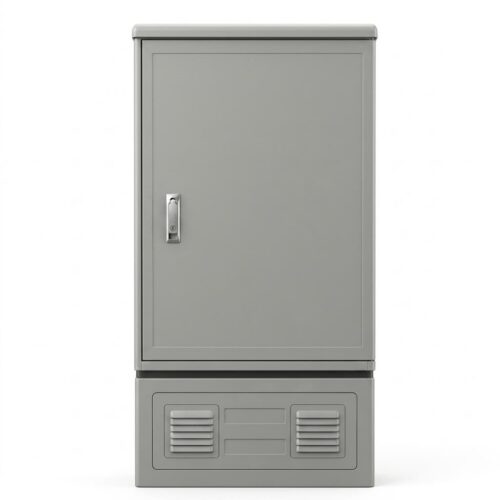
Optical Cross-Connect Cabinet
Optical Cross-Connect Cabinet Guide
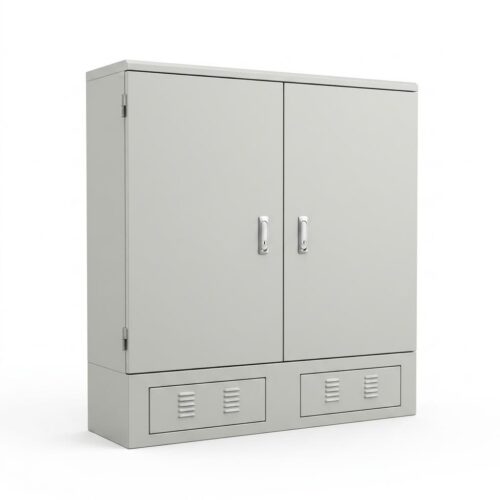
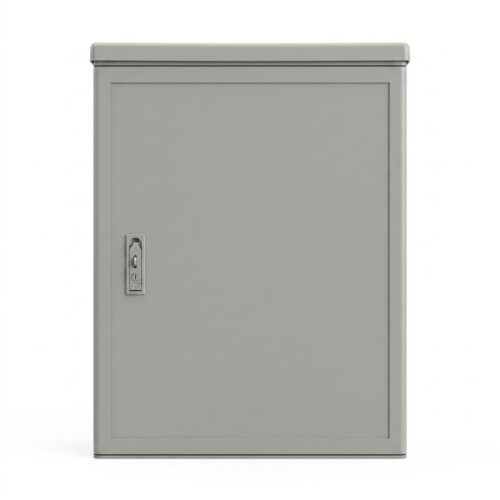
An optical cross-connect cabinet is a rugged outdoor hub for modern fiber networks. Telecom crews place this cabinet between feeder cables and distribution lines. It forms a key distribution point within the optical distribution network. Inside, the unit protects every fiber connection from dust, heat, and rain. It brings splicing, termination, and fiber patching into one secure enclosure.
…Optical Cross-Connect Cabinet Guide
An optical cross-connect cabinet is a rugged outdoor hub for modern fiber networks. Telecom crews place this cabinet between feeder cables and distribution lines. It forms a key distribution point within the optical distribution network. Inside, the unit protects every fiber connection from dust, heat, and rain. It brings splicing, termination, and fiber patching into one secure enclosure.
Optical signals travel from the central office to end users across long distance spans. The optical cross-connect cabinet links the main optical line terminal olt to individual lines. These lines then run to the optical network terminal ont at customer premises. Compared to legacy copper wiring, this optical fiber cable setup delivers fast data over long term service lifespans. It is a cost effective way to expand ftth / fttb networks without digging new trenches.
Network crews use this hub to rearrange circuits without cutting main trunk lines. They test single ports, add splitters, and fix fibers quickly. The cabinet keeps connections organized for field technicians.
Core Internal Modules
Modern cabinets feature modular parts. Technicians can install, remove, or upgrade individual modules as subscriber numbers grow.
-
Fiber Splice Trays: Hinged plastic trays stack inside the central chassis. They hold fusion splices in rubber slots and support single-fiber sleeves or 12-fiber ribbon splices.
-
Fiber Distribution Blocks: Slide-out trays hold rows of fiber adapters. They allow technicians to connect patch cords quickly without touching bare fibers.
-
PLC Splitter Modules: Pre-assembled splitter cassettes mount directly into dedicated chassis slots. They divide one incoming laser feed into 8, 16, or 32 output ports.
-
Angled Adapter Panels: Steel plates hold fiber optic adapters at a downward angle. This tilt stops laser light from shining into technician eyes and guides patch cords into side ducts.
-
Cable Entry Glands: Compression rubber grommets line the bottom cabinet floor. They grip incoming optical fiber cable jackets to block water, mud, and insects.
-
Cable Anchor Clamps: Heavy-gauge metal brackets clamp central strength members and outer jackets. They absorb mechanical pulling forces up to 1000 N to keep inner fibers safe.
-
Grounding Busbars: Solid copper bars bond metallic armor to an earth ground rod. They safely divert lightning strikes and surge currents into the ground.
-
Slack Storage Baskets: Deep metal baskets sit below the splice trays. They store excess buffer tube loops so crews can pull slack for future repairs.
Outdoor Enclosure Build
Outdoor units must withstand harsh weather. Manufacturers use heavy-duty materials to build long-lasting cabinet shells.
-
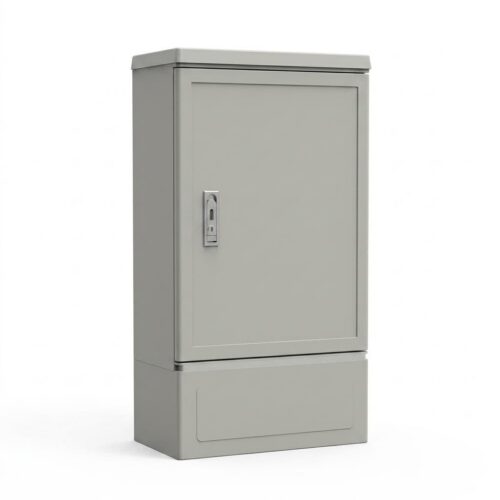
SMC Enclosure: Sheet molding compound mixes glass fibers with polyester resin. This composite shell resists sunlight, acid rain, and heavy impacts. It prevents condensation inside the cabinet.
-
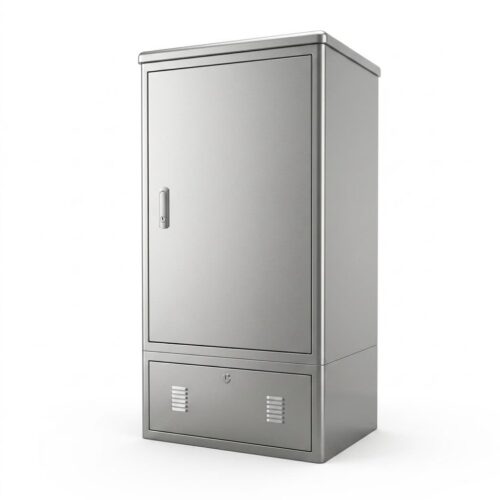
304 Stainless Steel Housing: Welded 304 steel panels provide high mechanical strength. An electrostatic powder coating protects the metal from scratches and road dirt.
-
316 Marine Grade Steel: Heavy 316 stainless steel contains molybdenum for rust defense. Crews install these cabinets in coastal areas with salt fog.
-
EPDM Sealing Gaskets: Continuous rubber gaskets seal all door seams and base ports. They deliver IP65 or IP66 ingress ratings under IEC 60529 standards.
-
Anti-Vandal Locks: Heavy three-point door latches use tamper-proof lock cylinders. They prevent unauthorized access and protect expensive network hardware.
Fiber Routing and Bend Radius Control
Glass fibers leak light when bent past their physical limit. Sharp bends cause signal loss and cut link distance. The optical cross-connect cabinet uses smooth internal channels to protect every optical fiber cable.
All internal pathways maintain a minimum bend radius of 30 mm to 40 mm. This bend limit protects both standard G.652.D fibers and bend-insensitive G.657.A strands. Wide spools guide patch cords between vertical trays without pinches. Technicians route patch cords through side troughs to avoid messy cable tangles.
Dedicated slack baskets store extra buffer tube lengths below each tray. Field crews follow TIA-598 color codes to track fiber pairs accurately. Technicians can pull these service loops to re-splice broken fibers without running new outdoor cables.
Network Hardware Comparisons
Engineers choose different enclosures across the optical distribution network based on location, port count, and job site needs.
-
Optical Cross-Connect Cabinet: High-capacity outdoor hub at distribution nodes. It connects large feeder cables to distribution lines across neighborhoods.
-
Fiber Distribution Box: Compact wall-box for indoor or outdoor drop points. It links branch distribution lines to drop cables on customer premises.
-
Optical Distribution Frame: High-density indoor distribution frame mounted in 19-inch equipment racks. It organizes fiber optic cables inside the central office.
-
Fiber Optic Splice Closure: Hermetically sealed dome or inline case for underground manholes and aerial lines. It protects permanent trunk cable joints without patch cords.
-
Optical Cross-Connect Switch: Active electronic matrix switch that routes light wavelengths across core rings. It acts as an active switch rather than a passive outdoor cabinet.
Step-by-Step Installation Workflow
Field crews follow strict steps to install an optical cross-connect cabinet properly.
-
Survey: Inspect the field site for soil stability, drainage, and crew safety.
-
Cast: Pour a level concrete pad with conduits for underground cables.
-
Mount: Bolt the cabinet base firmly to the concrete pad using heavy anchor bolts.
-
Seal: Insert fiber optic cables through base rubber grommets to block water and dust.
-
Anchor: Clamp cable jackets and central strength members to internal steel brackets.
-
Bond: Connect metallic cable armor to the copper ground busbar using thick bonding leads.
-
Strip: Cut back outer jackets and clean buffer tubes with solvent wipes.
-
Clean: Strip the 250-micron coating and clean bare glass with alcohol wipes.
-
Cleave: Cut fiber ends with a precision cleaver at an angle under 0.5 degrees.
-
Fuse: Join bare fiber ends in a core-alignment fusion splicer with low insertion loss.
-
Snap: Place the heat-shrink sleeve into the splice tray slot.
-
Patch: Plug pre-terminated patch cords into adapter ports and route them along side guides.
-
Test: Verify optical signals and total loss using an optical power meter and OTDR.
Cabinet Selection Guidelines
Network planners review several key factors before picking a cabinet model for outside plant projects.
-
Fiber Port Count: Size the cabinet for current subscriber counts plus thirty percent spare space. Standard models support 144, 288, or 576 termination ports.
-
Adapter Interface: Choose SC/APC adapters for low return loss or LC/APC duplex adapters to double port density.
-
Shell Material: Select SMC shells for coastal zones with salty air. Pick heavy steel cabinets for urban roads with high traffic.
-
Splice Tray Style: Ensure trays hold both single-fiber fusion sleeves and 12-fiber ribbon mass splices.
-
Splitter Capacity: Check that the chassis has dedicated slots for modular PLC splitter cassettes.
-
Cabinet Security: Look for three-point door locks and hidden hinges to deter theft and vandalism.
Fiber Network Deployments
The optical cross-connect cabinet plays a vital role across multiple network setups. In ftth / fttb networks, it acts as the main bridge between feeder lines and local distribution loops. Service providers deploy it in ftth fiber to the home ftth projects to serve single-family homes. It also drives fttb fiber to the building links for multi dwelling units and commercial towers.
Within the odn optical distribution network, the cabinet houses passive splitters. This setup cuts the total number of feeder fibers needed from the central office. In addition, ftth network upgrades become simple because crews only change patch cords inside the hub.
Campus networks in industrial parks use these cabinets to link separate buildings. Technicians reconfigure links at the cabinet without digging up buried fiber optic cables. The optical cross-connect cabinet delivers long term value, clean cable management, and high reliability across all optical networks.
Showing all 5 results