
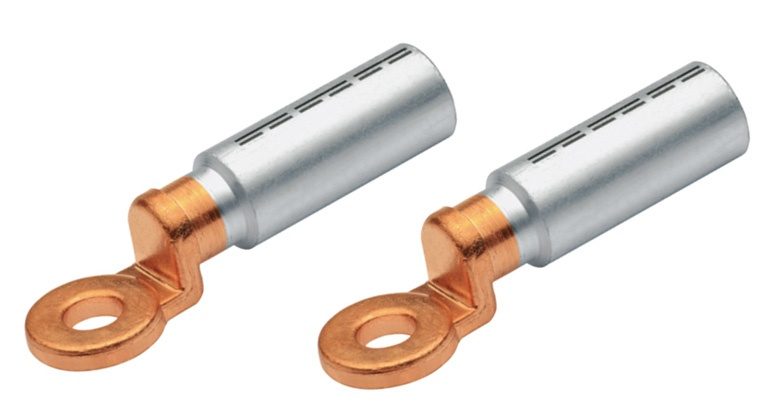
In electrical systems, bimetallic compression lugs connect aluminum conductors to copper, busbars, terminals, or equipment. In FTTH networks, the compression lugs serve in power, grounding, and supporting infrastructure. These lugs serve in optical network terminals, fiber distribution hubs, remote network cabinets, optical line terminal facilities, and outdoor telecommunications cabinets. The lugs are manufactured from aluminum and copper. The lug includes an aluminum barrel and a copper palm joined through a specialized metallurgical process. The aluminum barrel is crimped onto the aluminum conductor using a suitable compression tool. The copper palm provides a reliable interface for connection to copper equipment or busbars. This design helps prevent compatibility problems that occur when aluminum and copper are connected. By creating strong mechanical contact, the lug helps maintain a stable connection despite vibration, thermal expansion, and environmental exposure. For use in FTTH networks, the optical fiber needs specialized components such as fiber optic closures.
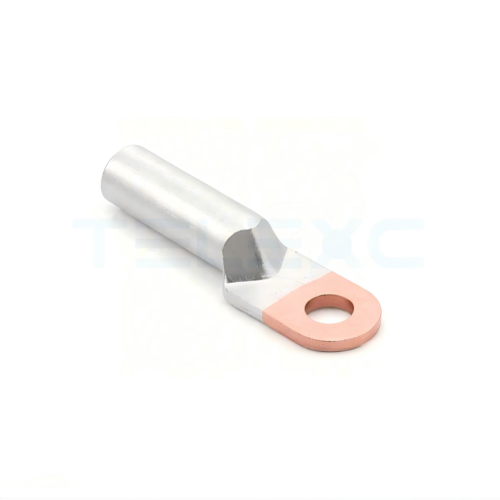
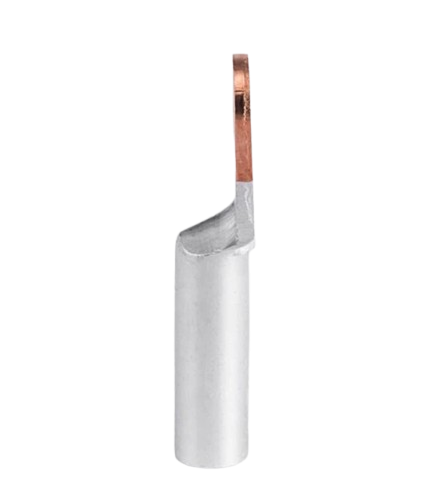
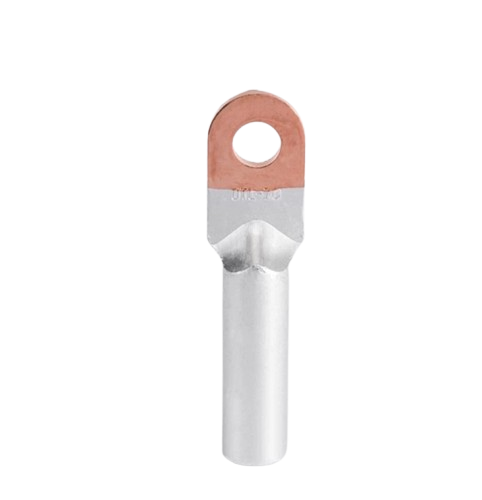
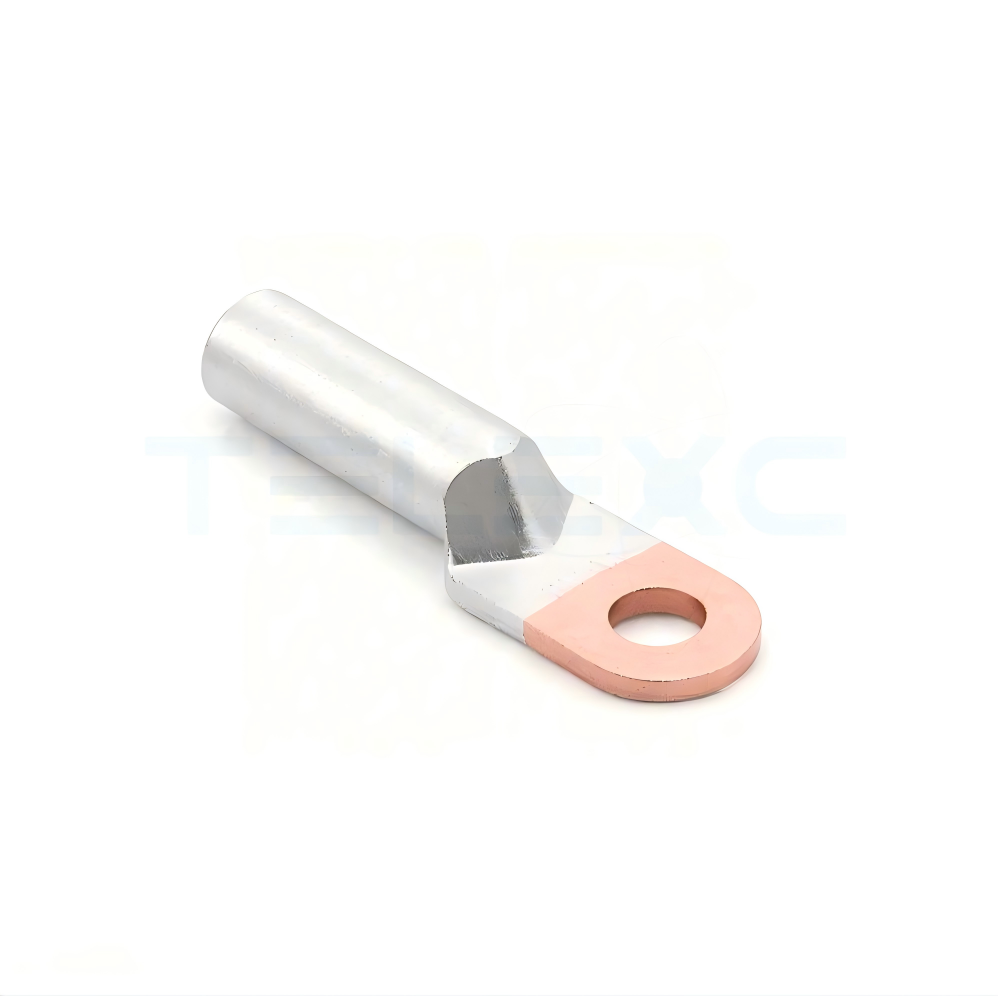
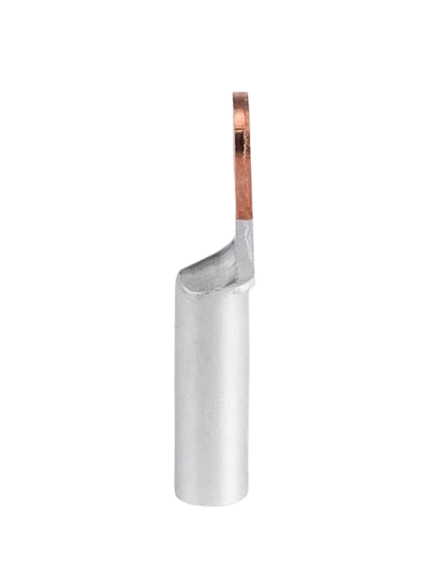
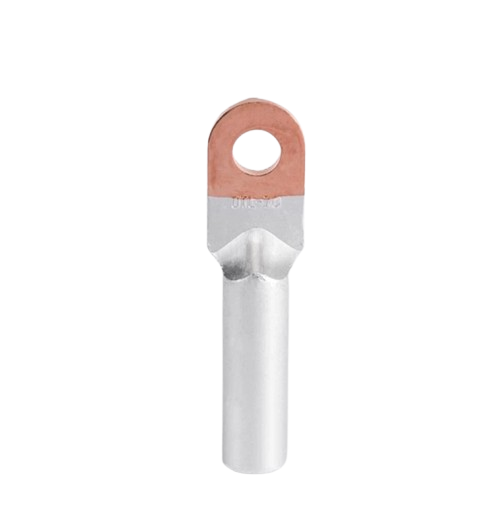
Bimetallic Compression Lugs – Copper Aluminium Tubular Type Lugs
Key Features
-
Designed for aluminum-to-copper electrical connections
-
Prevents galvanic corrosion between dissimilar metals
-
Aluminum barrel friction-welded to copper palm
-
Deep stepped indentation crimping compatibility
-
Suitable for flexible and stranded conductors
-
Long service life in harsh operating environments
-
Operating Temperature: -40°C to +110°C

The structure and components of the bimetallic compression lugs
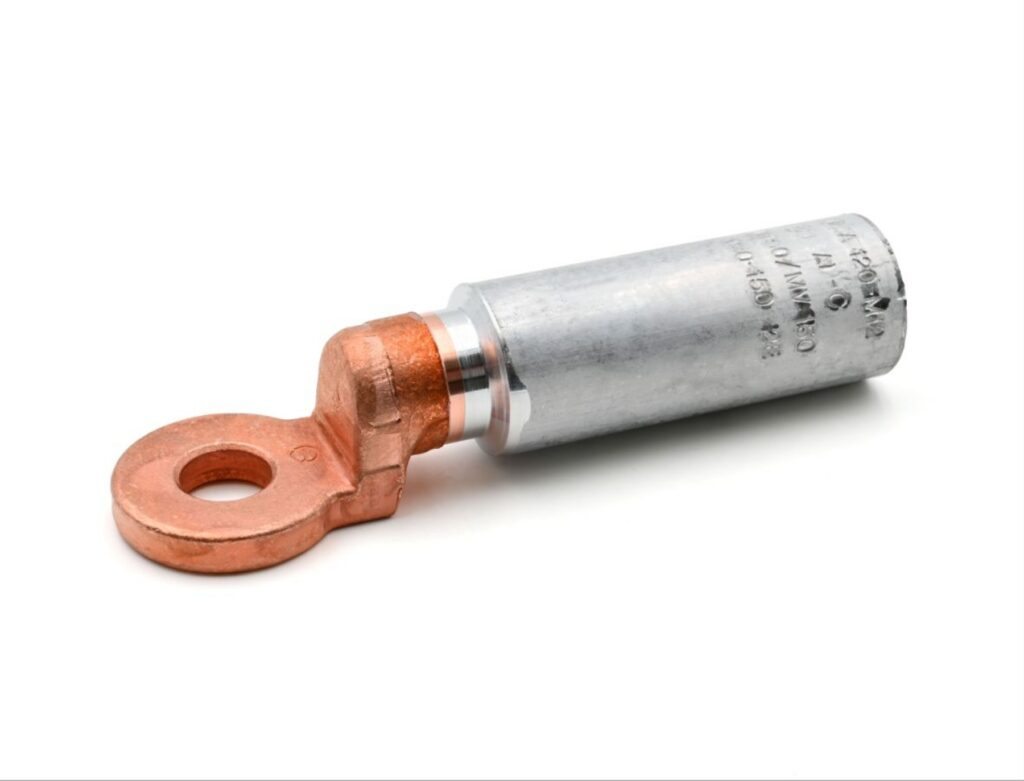
A bimetallic compression lug has two different metal sections joined together to provide a reliable electrical connection between dissimilar conductors and equipment. It combines an aluminum cable barrel with a copper connection palm. The key components for the lugs include:
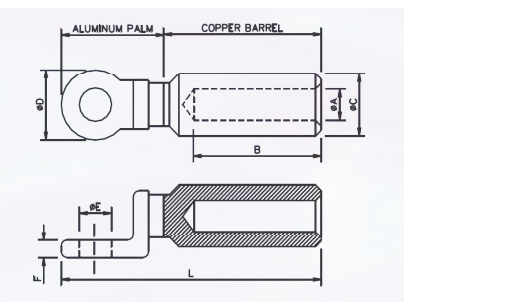
- Aluminum cable barrel – this is the tubular section that receives the aluminum conductor. It is compressed using specified crimping tools and dies to create a secure mechanical and electrical connection. The barrel includes a conductor entry opening, a cylindrical crimping section, an inspection hole, and markings indicating the correct crimping position.
- Copper palm – this is the flat terminal section used to connect the lug to equipment, busbars, terminals, or other electrical components. It contains a bolt hole, a flat contact surface, and a connection area designed for bolted electrical joints.
- Bimetallic transition joint—this section joins the aluminum barrel to the copper palm. The transition joint provides mechanical strength, electrical continuity, and reduced risk of separation.
- Plated connection surface – the plating improves corrosion resistance and helps maintain a stable contact surface in harsh environments.
- Inspection hole – this allows installers to check whether the conductor is fully inserted before compression.
- Identification markings—the markings show conductor size, material type, required crimping die, number and position of crimps, and manufacturer information.
Types of the bimetallic compression lug
Bimetallic compression lugs classify according to their terminal design, conductor application, connection method, and material combination. When selecting compression lugs for FTTH networks or other electrical infrastructure, it is crucial to consider conductor material, conductor size, terminal configuration, bolt-hole size, environmental conditions, required crimping tool, and applicable standards.
Copper-aluminum bimetallic lug
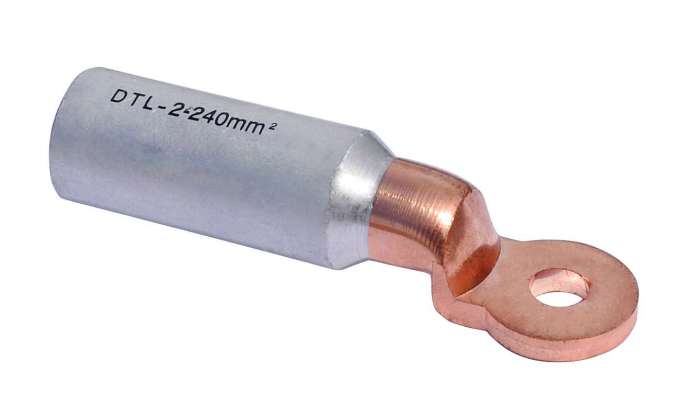
The lugs have an aluminum cable barrel and copper palm. They connect aluminum conductors to copper busbars, aluminum cables to copper equipment terminals, and aluminum power cables to copper switchgear connections.
Tin-plated compression lugs
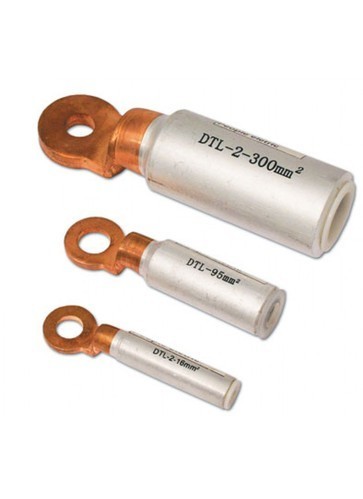
These lugs improve resistance to oxidation and environmental corrosion. Tin-plated lugs are ideal for outdoor power networks, solar installations, FTTH supporting electrical infrastructure, and telecommunications cabinets.
Standard palm bimetallic lug
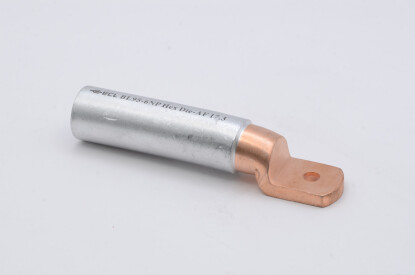
Standard palm bimetallic lugs feature a flat connection palm that includes a single bolt hole. These lugs are ideal for electrical connections where the equipment terminal has a conventional bolt connection.
Two-hole compression lug
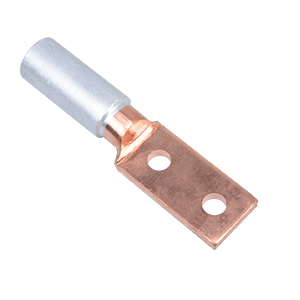
These lugs have two mounting holes on the copper palm designed to provide greater connection stability. They also help resist rotation and mechanical movement. These lugs serve in substations, switchgear, and industrial electrical installations.
Long barrel bimetallic compression lugs
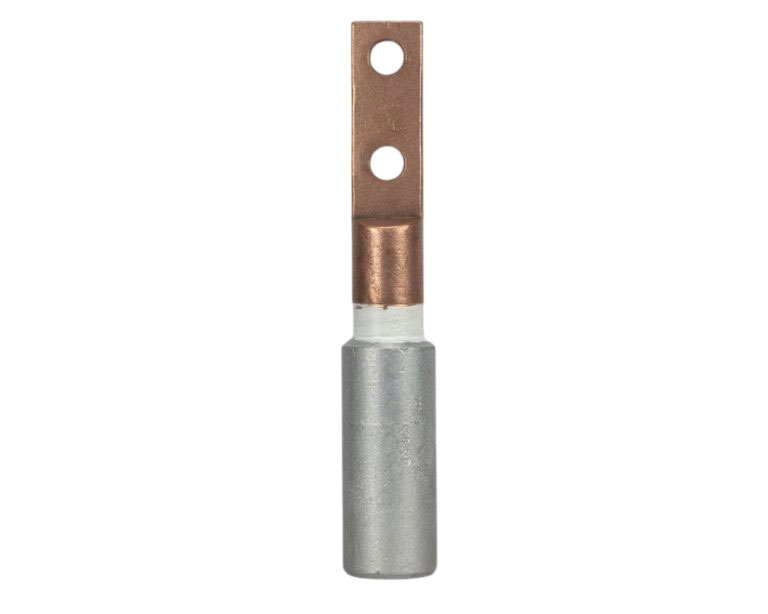
These have a longer aluminum barrel that provides a greater compression area. This helps improve mechanical grip and electrical contact when used with larger conductors.
The Importance of Compression Lugs in Transmission and Telecommunication Networks
Bimetallic compression lugs serve in electrical and grounding infrastructure supporting transmission and telecommunication networks. They provide a reliable connection between dissimilar metals like aluminum conductors and copper equipment. They serve the following purposes in the networks.
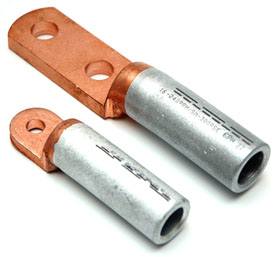
- Enabling reliable aluminum-to-copper connections – transmission and telecommunication networks use different conductor materials. Bimetallic compression lugs provide a controlled transition between the different materials.
- Reducing galvanic corrosion – direct contact between aluminum and copper with moisture can cause galvanic corrosion. This connection can deteriorate the connection, increase electrical resistance, and lead to failure. The bimetallic construction creates an interface between the two metals. It helps improve connection reliability in outdoor transmission lines and telecommunications infrastructure.
- Improving electrical conductivity—a compressed bimetallic lug provides a stable contact area between the conductor and the terminal. This maintains a low-resistance electrical path and reduces excessive voltage drop, localized heating, energy losses, and connection failure.
- Supporting grounding and bonding systems—compression creates a firm mechanical connection between the cable and the lug. This helps the connection withstand vibration, thermal expansion, wind-induced movement, and mechanical stress.
- Supporting network expansion and modernization—bimetallic compression lugs simplify new connections. They do so by allowing reliable integration between aluminum and copper components.
Selecting the right compression lug for telecommunication networks
Selecting the correct compression lug creates reliable connections in the electrical, grounding, and bonding infrastructure supporting telecommunication networks. It is advisable to consider the conductor, equipment, installation environment, and needed electrical performance. Here are the key considerations for selecting the bimetallic compression lug.
- Identify the conductor material—determine whether the cable is made of aluminum, copper, or another conductor material. The compression lug should be compatible with the conductor material. This is crucial to prevent poor crimping, excessive resistance, and premature connection failure.
- Match the lug to the conductor size – select the lug designed for the exact conductor cross-sectional area. Correct lug sizing, proper mechanical grip, lower electrical resistance, reliable current transfer, and reduced overheating risk.
- Check the terminal and bolt-hole dimensions – the copper palm must match the terminal to which it will be connected. Check for bolt-hole diameter, palm width, palm length, mounting configuration, and available installation space.
- Consider electrical applications—the lug serves in power supply connections, grounding, bonding, battery connections, telecom cabinet connections, and outdoor electrical equipment. The lug must have the correct current-carrying capacity and voltage rating for the application.
- Select the right compression system – the lug must be compatible with the available crimping tool and die. Most manufacturers specify the required compression die and crimping sequence. An incorrect die can result in insufficient compression, conductor damage, and mechanical failure.
- Verify standards and quality requirements – the lug should follow relevant electrical, mechanical, and installation standards applicable to the project. Quality assurance should verify dimensional accuracy, material composition, electrical conductivity, and corrosion resistance.
Advantages of compression lugs in telecommunication networks
Bimetallic compression lugs serve in power supply, grounding, bonding, and electrical support systems of telecommunication networks. The compression lugs also support the electrical infrastructure that powers and protects modern telecommunication networks. Here are the common advantages of the bimetallic compression lugs in various networks.
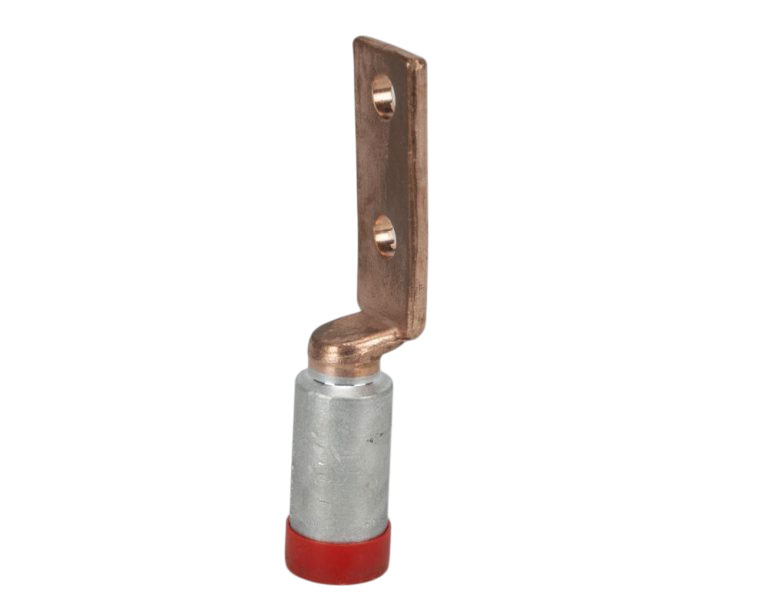
- Reliable aluminum-to-copper connections – the bimetallic compression lugs have the ability to connect dissimilar metals. The lug combines an aluminum cable barrel with a copper palm that creates a reliable transition between aluminum conductors and copper equipment.
- Reduced galvanic corrosion – bimetallic compression lugs provide a controlled transition between copper and aluminum. They help reduce corrosion-related deterioration and improve connection longevity.
- Low electrical resistance – compressed lugs provide a stable electrical contact between the conductor and the terminal. This helps maintain efficient current flow, low contact resistance, reduced energy losses, and lower risk of localized heating.
- Strong mechanical connections – the compression process creates a firm connection between the cable and the lug. This helps withstand vibration, thermal expansion, and mechanical stresses.
- Improved grounding and bonding reliability – compression lugs support reliable grounding and bonding connections. This grounding helps protect sensitive equipment against electrical faults, lightning, and transient overvoltages.
Technical specifications for the bimetallic compression lugs
These specifications define the electrical performance, mechanical strength, material compatibility, and installation needs for the lugs. Manufacturers should offer the exact conductor range, current rating, dimensions, tensile strength, and crimping requirements.
| Model No. | L (mm) | L1 (mm) | d (mm) | D (mm) | Ø (mm) | B (mm) |
| TX-10 | 62 | 30 | 6.3 | 10 | 8.5 | 13 |
| TX-16 | 64 | 30 | 6.5 | 10 | 8.5 | 14.5 |
| TX-25 | 68 | 32 | 7.5 | 11 | 8.5 | 16 |
| TX-35 | 73 | 33 | 8.7 | 13 | 10.5 | 18 |
| TX-50 | 81 | 40 | 9.7 | 14 | 10.5 | 20 |
| TX-70 | 92 | 41 | 11.5 | 16 | 12.5 | 23 |
| TX-95 | 98 | 43 | 13.5 | 18 | 12.5 | 26 |
| TX-120 | 104 | 45 | 15 | 20 | 14.5 | 28 |
| TX-150 | 112 | 48 | 16.8 | 22 | 14.5 | 30 |
| TX-185 | 118 | 50 | 18.7 | 24 | 17 | 33 |
Applications of the compression lug
Bimetallic compression lugs serve between dissimilar metals such as copper terminals and aluminum conductors, busbars, or equipment. They function across power, telecommunications, renewable energy, and industrial infrastructure. Key application areas include:
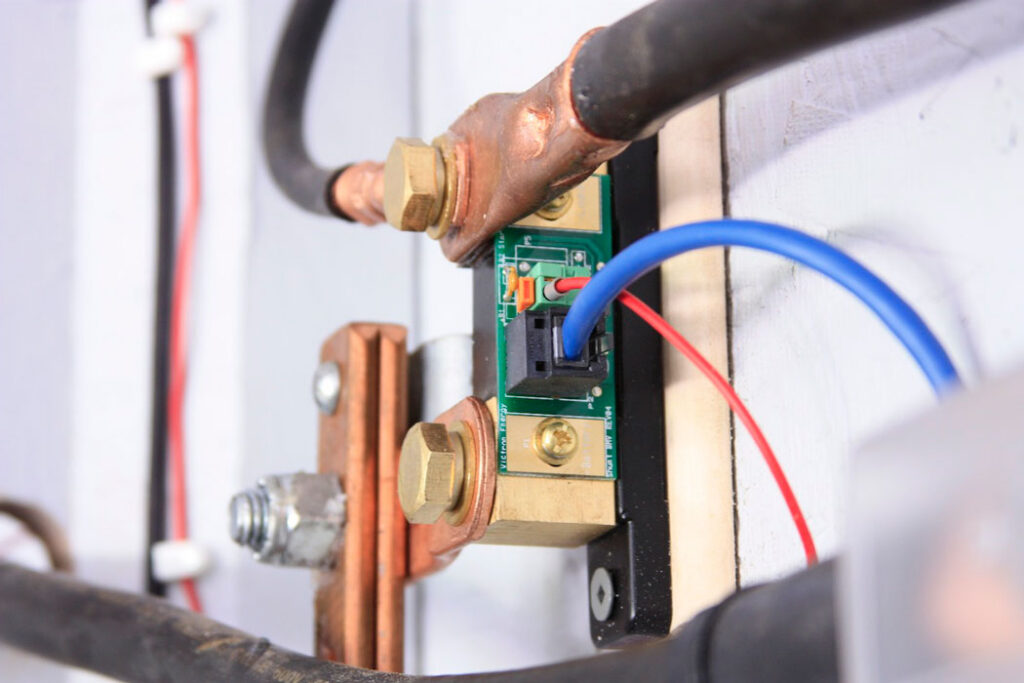
- Telecommunication networks – bimetallic components serve in electrical infrastructure supporting fiber optic network cabinets, FTTH distribution systems, telecom towers, and power supply connections.
- Power transmission and distribution – compression lugs connect aluminum conductors to copper equipment in substations, distribution panels, switchgear, transformers, busbars, and transmission infrastructure.
- Solar power systems—solar installations use aluminum cables for power transmission and copper terminals in inverters and combiner boxes. Bimetallic compression lugs provide reliable connections between these systems.
- Battery energy storage systems—compression lugs serve power and grounding systems of BESS installations.
- Renewable energy infrastructure—wind farms, hydropower plants, and other renewable energy projects use bimetallic lugs. The lugs serve in their power distribution, grounding, and equipment connection systems.