
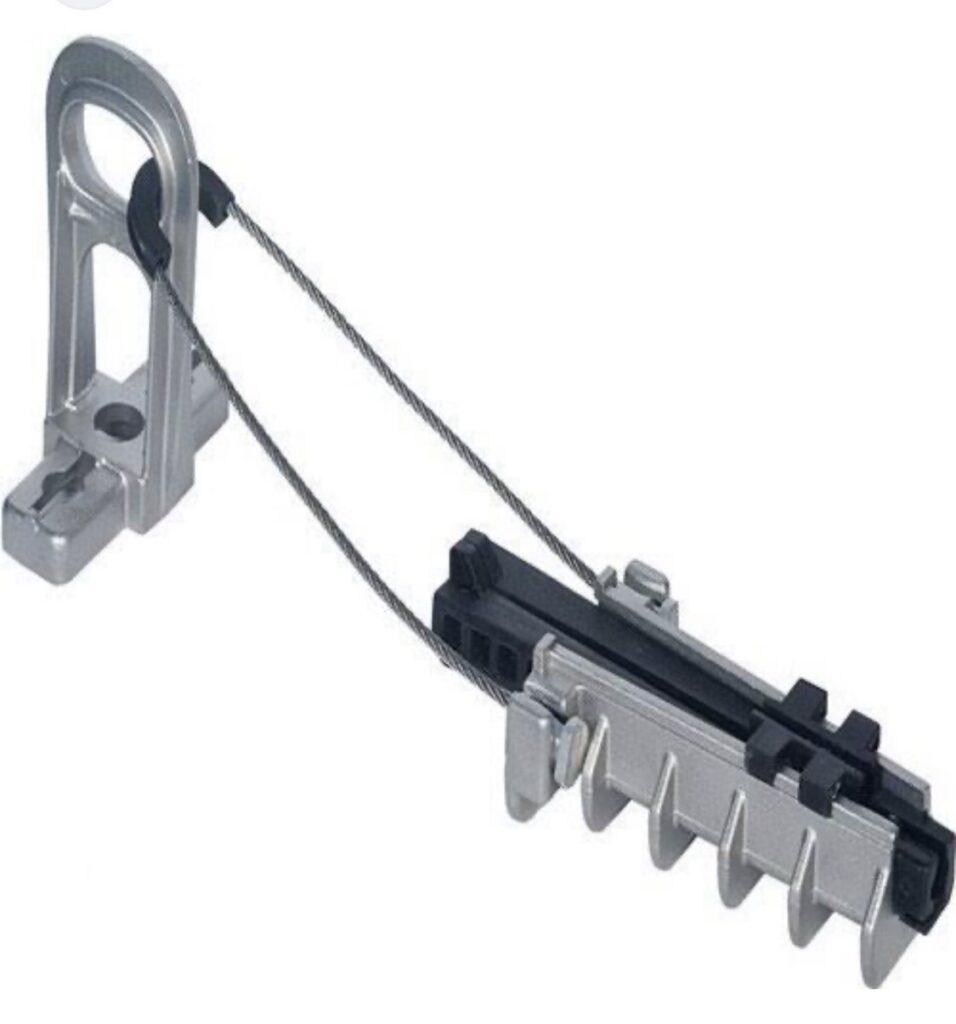
An ABC deadend clamp, also known as an ABC anchoring clamp, is a mechanical component used to secure and terminate aerial bundled cable at the end of a distribution line. It transfers the tensile load of the cable to the pole or supporting structure. It also protects the insulated conductors from mechanical damage. The deadend clamp consists of self-adjusting wedges, a stainless steel ball, steel reinforcement, and corrosion-resistant hardware. This makes it ideal for use in rural electrification projects, end poles, industrial power distribution systems, and low and medium-voltage distribution networks. The ABC deadend clamps helps improve network reliability, protects insulation from mechanical damage, and reduces maintenance needs. Using the clamps in modern power distribution systems helps maintain the mechanical integrity of overhead distribution lines. Additionally, it is advisable to select and ensure quality assurance for the clamp to enhance its performance in the power systems.
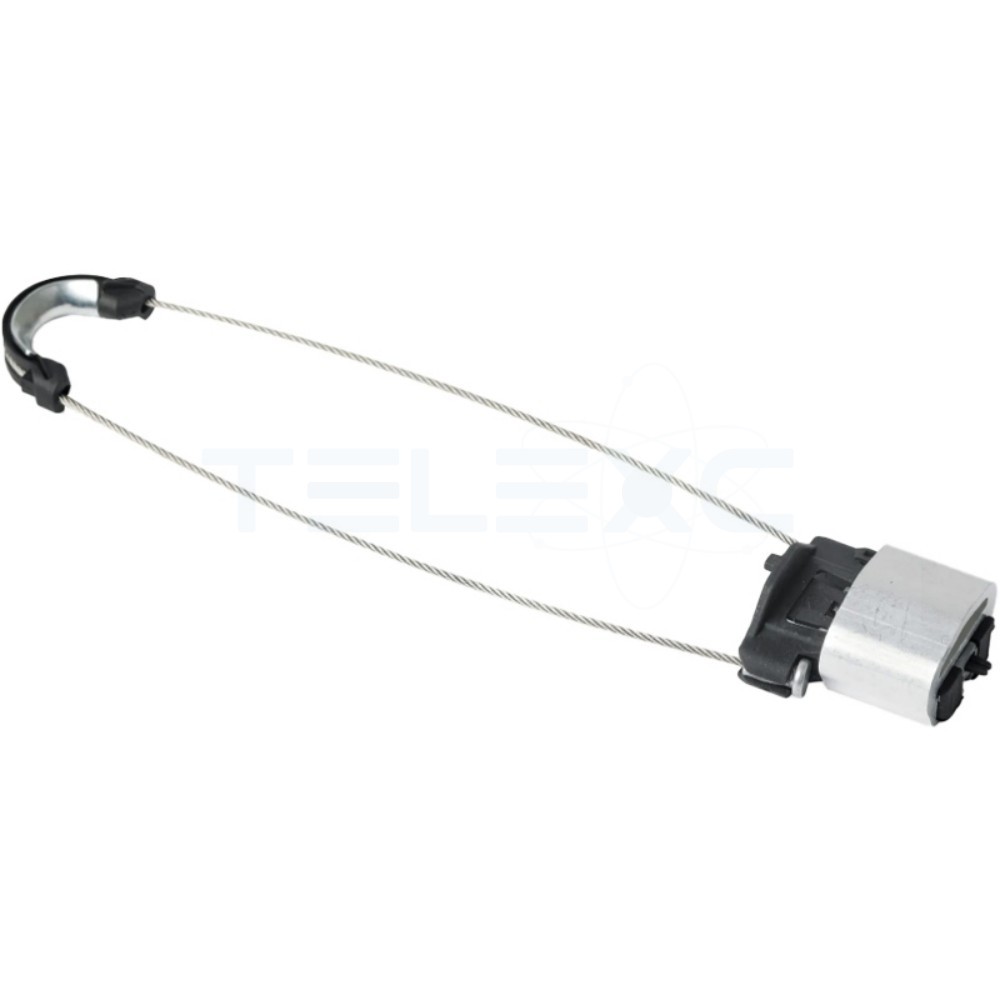
ABC Dead-End Clamp 16–20 mm² | PAM Series Anchor Clamp for LV-ABC
Key Features
- Tool-free installation for fast and efficient setup
- High mechanical strength up to 3 kN load capacity
- UV and weather-resistant materials for long service life
- Insulation-safe gripping system prevents cable damage
- Stainless steel bail for corrosion resistance and durability
-
Allows line deviation up to:
- 50° (single anchoring)
- 100° (double anchoring)

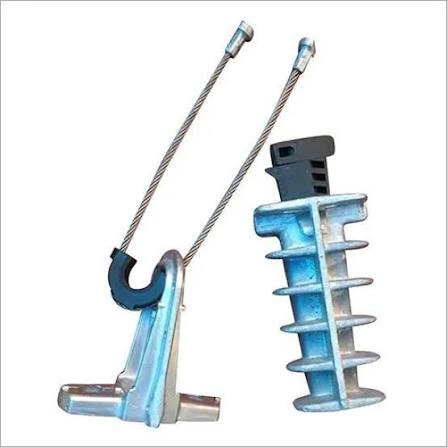
The structure and components of the ABC deadend clamp
An ABC deadend clamp terminates and supports aerial bundle cables in low- and medium-voltage overhead power systems. It consists of a structure designed to withstand high tensile loads while protecting the insulated conductors from mechanical damage. Each component of the clamp ensures reliable cable retention, ease of installation, and long-term durability under harsh environmental conditions. The clamp has compact construction, a self-tightening wedge mechanism, high resistance to UV radiation, and high tensile load capacity. Here are the key components of the ABC deadend clamp.
- Clamp body – the body is the main structural framework that houses the internal gripping mechanism. It consists of UV-stabilized glass fiber-reinforced thermoplastic, or high-strength engineering polymer. These offer resistance to UV radiation, corrosion, moisture, and temperature changes.
- Self-adjusting wedges—the wedges are the gripping elements inside the clamp manufactured from reinforced polymer with textured gripping surfaces. They automatically tighten as tensile force increases.
- Stainless steel bail—the bail is a flexible loop attached to the clamp body. It is manufactured from 304 or 316 stainless steel to provide high tensile strength and corrosion resistance. The loop connects the clamp to pole brackets and transfers the tensile load to the supporting structure.
- Gripping inserts – these are serrated liners positioned between the wedges and the cables. They increase friction between the clamp and cable and improve load distribution.
- Locking mechanism – modern ABC deadend clamps have an integrated locking mechanism that secures the wedges after the cable is inserted. It prevents wedge displacement, maintains consistent gripping force, and improves operational safety.
- Cable entry opening – the cable entry allows for quick insertion of the insulated conductor while maintaining proper alignment with the wedge assembly. It reduces installation time and ensures correct engagement of the gripping mechanism.
Types of the ABC deadend clamp
ABC deadend clamps are available in different designs to accommodate different cable configurations, conductor sizes, and mechanical load requirements. It is crucial to select the right clamp type to ensure reliable mechanical performance, maintain cable integrity, and extend overhead line service life. Common types include:
Wedge-type deadend clamp
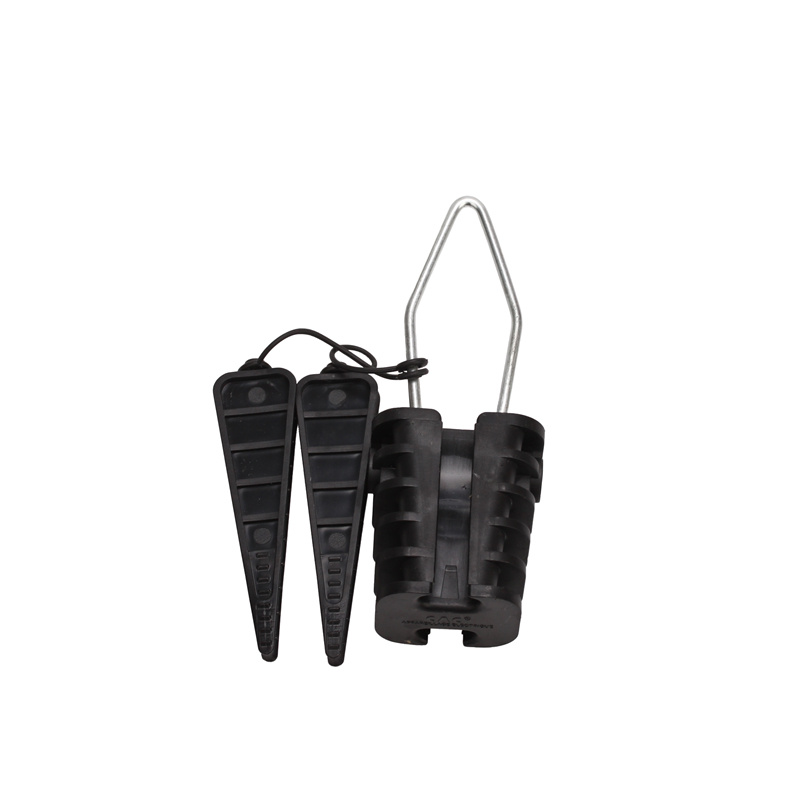
This clamp has self-adjusting wedges that grip the insulated messenger or conductor as tensile force increases. It features high gripping efficiency and UV-resistant polymer housing and is ideal for insulated conductors. It serves in residential distribution lines, commercial power networks, and rural electrification projects.
Bolt-type ABC clamp
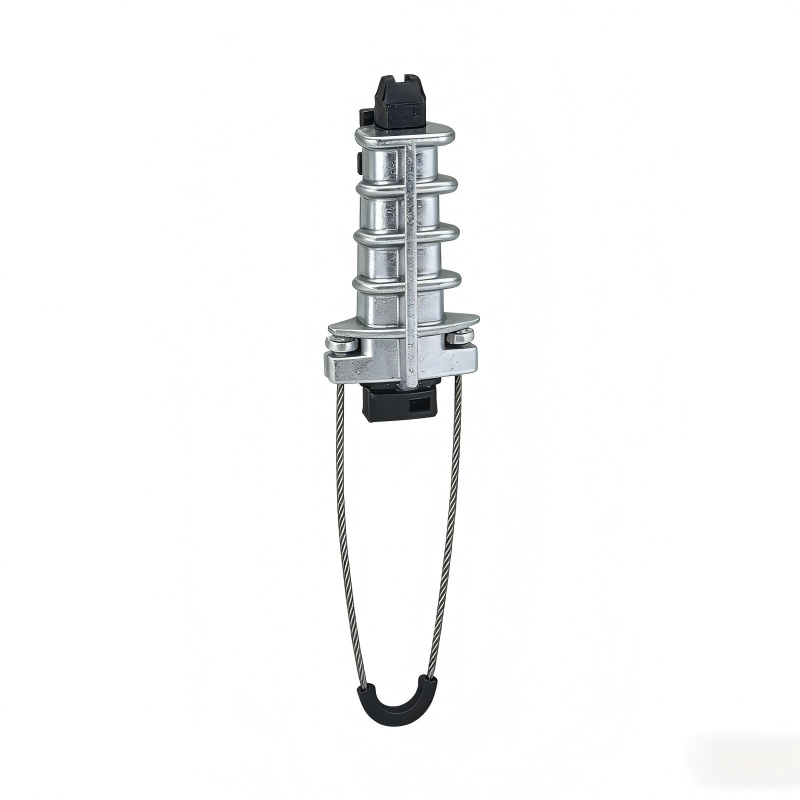
These clamps use mechanical bolts to secure the cable on overhead power distribution systems. It provides adjustable clamping pressure, heavy-duty construction, high mechanical strength, and reusable design. It is ideal for industrial power systems, high-load installations, and permanent cable terminations.
Automatic deadend clamp
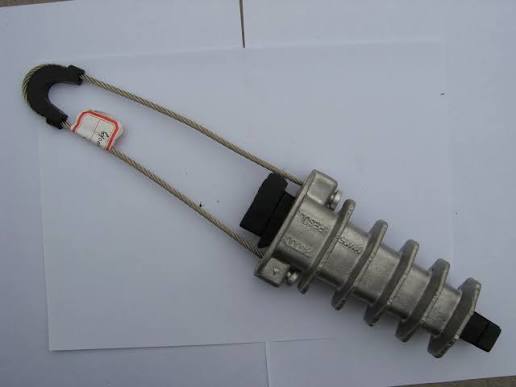
This clamp has a self-locking mechanism that automatically increases the gripping force as cable tension rises. It has a self-locking operation, offers fast installation, and provides a reliable grip under varying loads. These clamps are suitable for modern distribution systems, utility expansion projects, and smart grid infrastructure.
Adjustable anchoring clamps
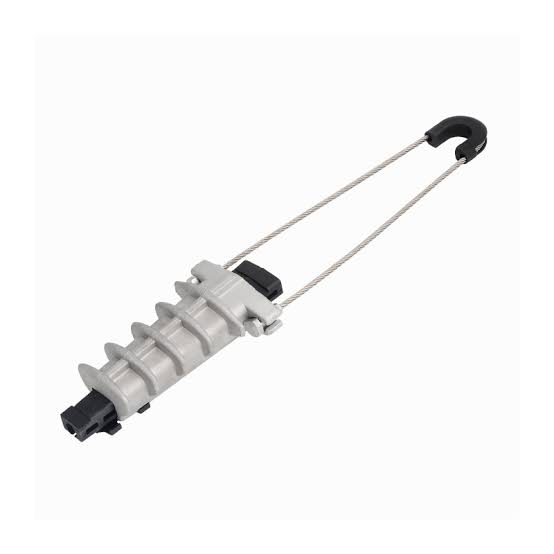
These accommodate a wider range of cable diameters that makes them suitable for networks using different conductor sizes. These clamps offer flexible cable size compatibility, an adjustable gripping mechanism, and reinforced construction. They are ideal for utility maintenance, network upgrades, and mixed conductor installations.
Insulated deadend clamps
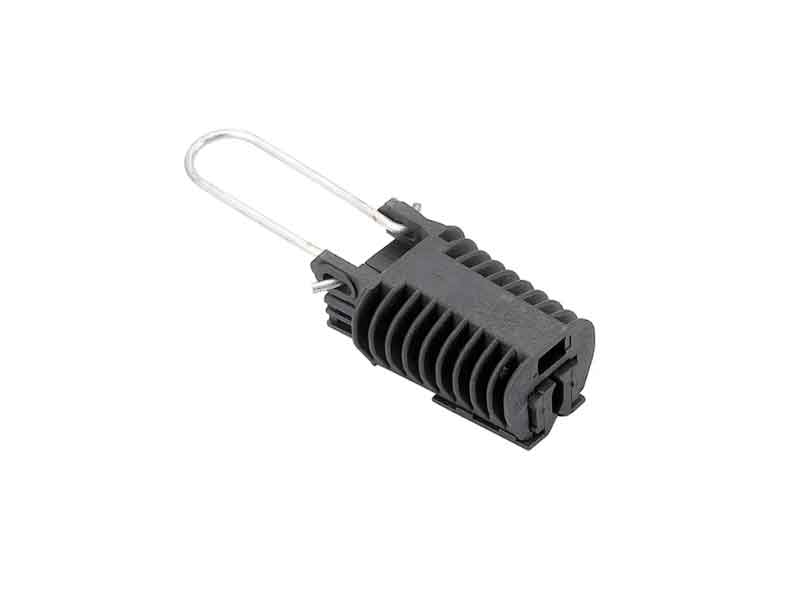
These clamps are able to maintain full electrical insulation while providing mechanical anchoring. They have a non-conductive polymer body, dielectric properties, and UV and moisture resistance. They serve in low-voltage ABC networks, urban overhead distribution, and areas that need enhanced electrical safety.
Double-anchor clamp
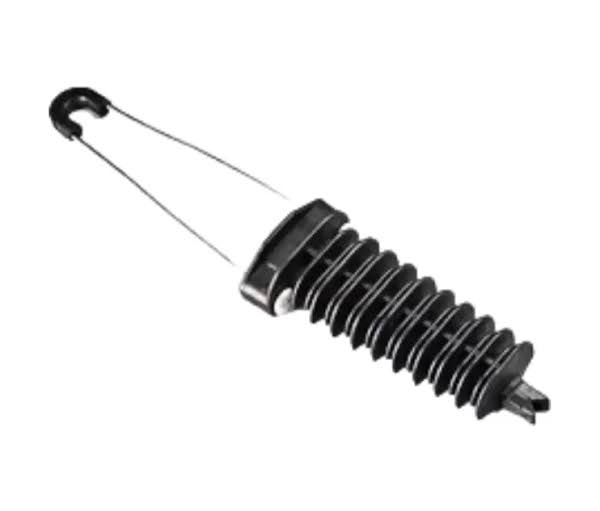
This clamp uses two independent gripping mechanisms or dual anchoring points to provide extra holding strength. It also offers dual load distribution, enhanced mechanical stability, and a higher safety factor. This one serves in high-tension spans, river crossings, critical infrastructure, and areas with extreme wind loading.
The working principle of the ABC deadend clamp in power distribution systems
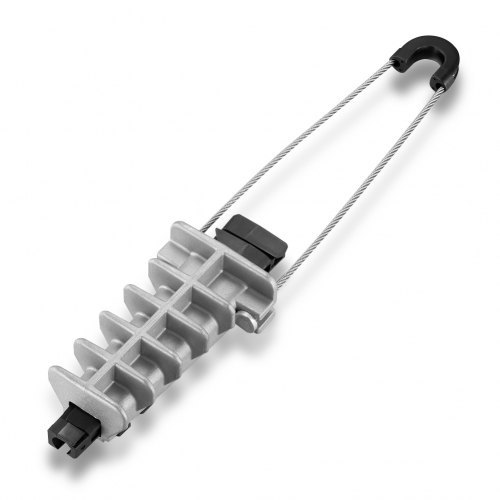
An ABC deadend clamp operates by mechanically anchoring and terminating insulated aerial bundled cables while transferring the tensile forces from the cable to the supporting structure. The clamp maintains the mechanical stability of the overhead distribution network. Most of the deadend clamps have a self-tightening wedge mechanism that increases their gripping force as the tension on the cable rises. This ensures secure cable retention without damaging the insulation. Maintaining insulation integrity helps preserve the cable’s dielectric properties and protects it from moisture ingress, corrosion, and premature aging. The deadend clamp consists of high-quality materials that help enhance system reliability, reduces maintenance needs, and extends the operational life of aerial bundled cable installations in residential, commercial, industrial, and rural electrification projects.
Choosing the right ABC anchoring clamps for power distribution systems
Selecting the right ABC clamp ensures the mechanical stability, safety, and long-term reliability of overhead power distribution systems. A poorly selected clamp leads to cable slippage, insulation damage, excessive mechanical stress, or premature component failure. Engineers and utility operators should consider technical and environmental factors to ensure the clamp matches the specific requirements of the installation. Here are the crucial considerations for selecting the deadend clamps.
- Verify the cable type and construction – ensure the clamp is designed for the specific type of aerial bundled cable used. ABC systems may vary in conductor material, messenger type, insulation, and cable configuration. Using the right clamp ensures proper gripping performance and prevents damage to the insulation.
- Match the cable size—check cable diameter, cross-sectional area, and manufacturer’s compatibility chart. Selecting a clamp outside its recommended range can compromise the grip and reduce mechanical reliability.
- Check the rated mechanical load – the clamp should withstand the maximum tensile forces expected during operation. Check span length, cable weight, wind loading, ice loading, and installation angle.
- Check the installation environment – consider exposure to coastal salt spray, industrial pollutants, high humidity, intense UV radiation, extreme temperatures, and heavy rainfall.
- Select the right clamp type – select the correct type to improve installation efficiency and mechanical reliability.
- Verify material quality – the durability of an ABC deadend clamp depends on the quality of its materials. Consider glass-fiber-reinforced polymer bodies, UV-resistant thermoplastic wedges, stainless steel bails, and high-strength composite materials.
- Ensure compatibility with supporting hardware – the clamp should be compatible with the pole hardware used in the installation. It should be compatible with pole brackets, anchor brackets, suspension hooks, eyebolts, pole bands, and crossarm hardware.
Advantages of ABC deadend clamps in power distribution systems
ABC deadend clamps anchor and terminate insulated overhead conductors in low-voltage and medium-voltage power distribution networks. Their design and reliable gripping mechanism contribute to the safety, durability, and efficiency of modern distribution systems. They transfer mechanical loads from the cable to the supporting structure. Here are their benefits in power distribution systems.
- Secure cable anchoring—the ABC deadend clamp provides a secure mechanical anchor for aerial bundled cables. The clamp prevents cable slippage, maintains proper conductor tension, and stabilizes end poles and angle poles.
- Protect cable insulation – ABC deadend clamps grip the insulated conductor without puncturing the insulation. This preserves dielectric performance, prevents insulation cracks, and reduces moisture ingress.
- High mechanical strength – the deadend clamp withstands mechanical loads from cable weight and environmental conditions. They provide reliable resistance against high tensile forces, wind loading, ice accumulation, cable vibration, and dynamic loading.
- Automatic self-tightening performance – as cable tension increases, the wedges automatically tighten, cable movement is reduced, and the gripping force increases.
- Corrosion resistance – improved corrosion resistance reduces maintenance costs and increases product longevity.
Technical specifications for the deadend clamps
These specifications define the mechanical, material, and environmental performance of the clamp in power distribution systems. It is crucial to select a clamp with the correct specifications to ensure safe cable anchoring, reliable load transfer, and long-term service under demanding operating conditions.
| Model No. | Conductor Size (mm²) | Cable Diameter (mm) | Breaking Load | Material Composition |
| TX-16/20 | 16–20 mm² | 3–5 mm | 3 kN | Aluminium Alloy, Nylon + Fiberglass, Stainless Steel |
Applications of the deadend clamps
- Overhead power distribution for securing ABC cables in low-voltage overhead distribution networks.
- Urban electrical networks
- Street lighting systems for firm anchoring of lighting cables to ensure consistent performance
- Short span installations with spans up to 100 meters
- Industrial power lines for safe and durable cable anchoring.