
A high fiber splice cassette is a protective module designed to organize, secure, and manage fiber optic splices within high-density networks. It provides a dedicated space to house splice sleeves, pigtails, and routing paths that ensure delicate fusion-spliced fibers remain protected from environmental stresses. High fiber splice cassettes have a tray-like module that holds and protects fusion-spliced optical fibers. The cassette provides a controlled pathway for incoming and outgoing fibers while keeping individual splices secure and organized. In FTTH networks, optical fiber travels from the service provider’s network toward homes and businesses. The cassette holds the fusion-spliced sections while maintaining organized fiber routing. It helps solve space and organization challenges in FTTH networks by providing structured and high-density fiber management. It influences installation efficiency, fiber protection, network reliability, and long-term maintenance.
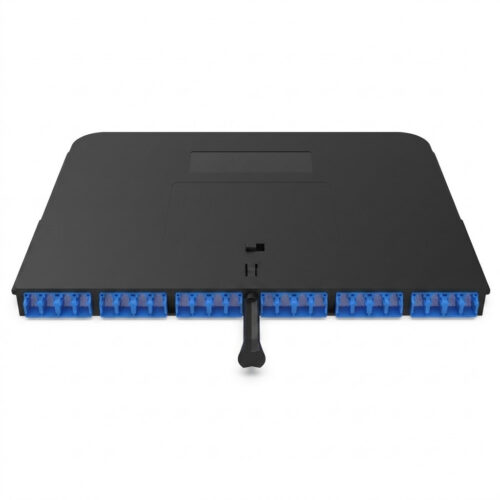
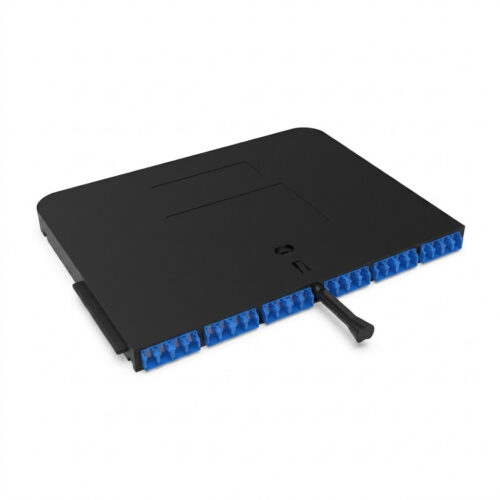
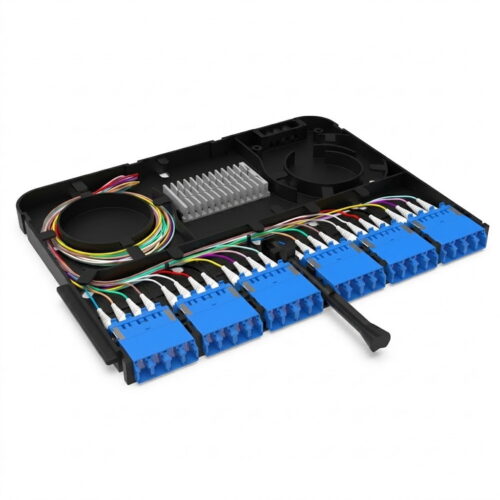
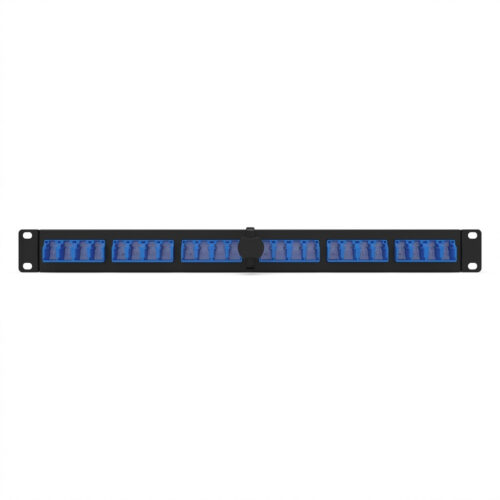
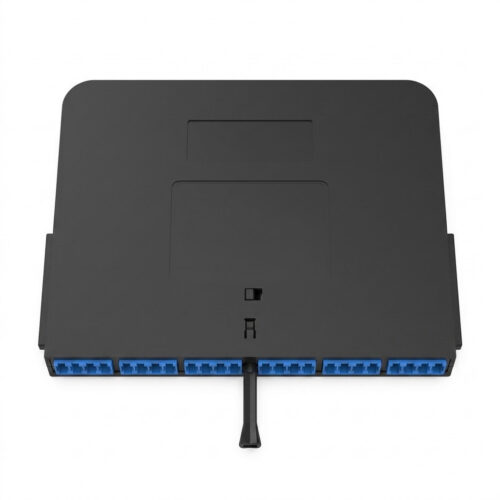
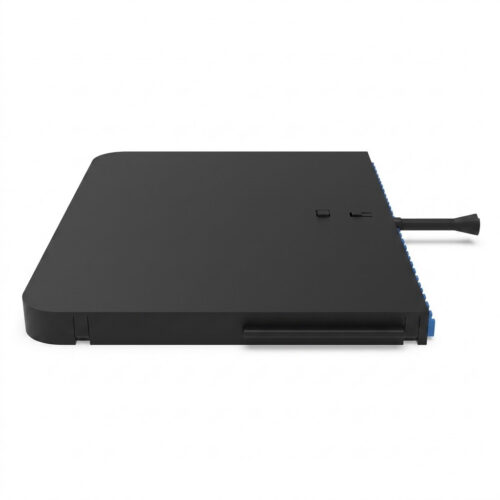
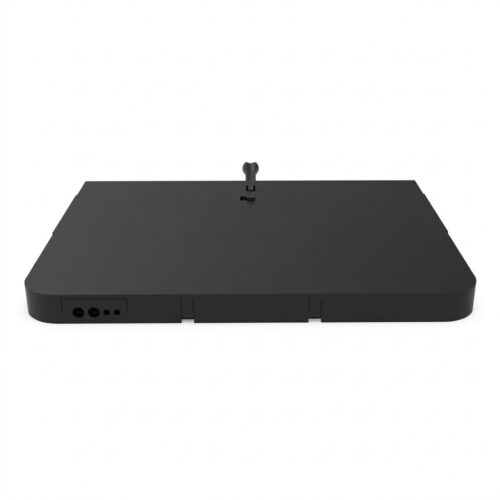
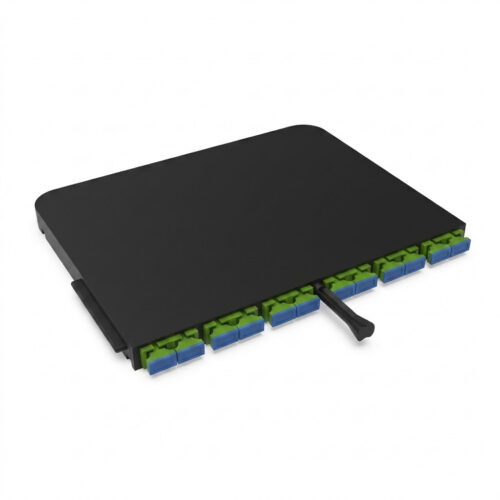
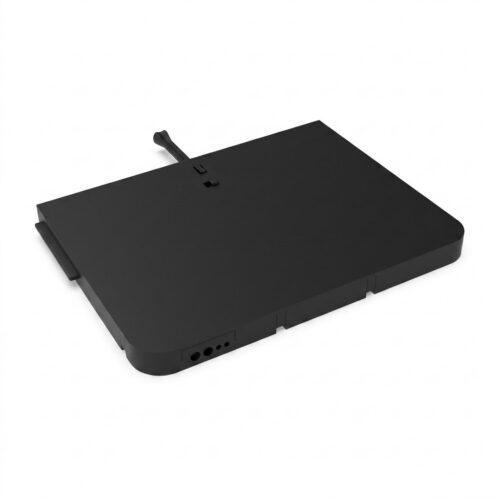
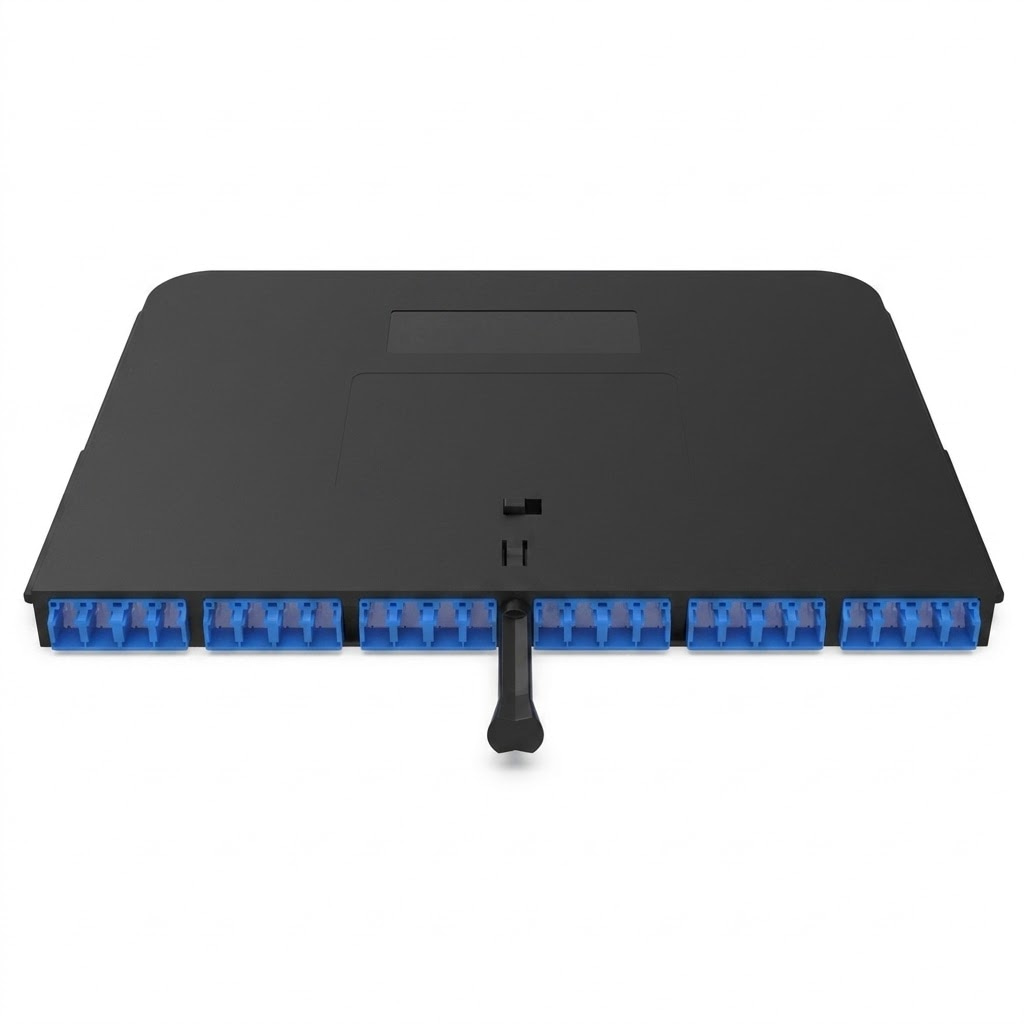
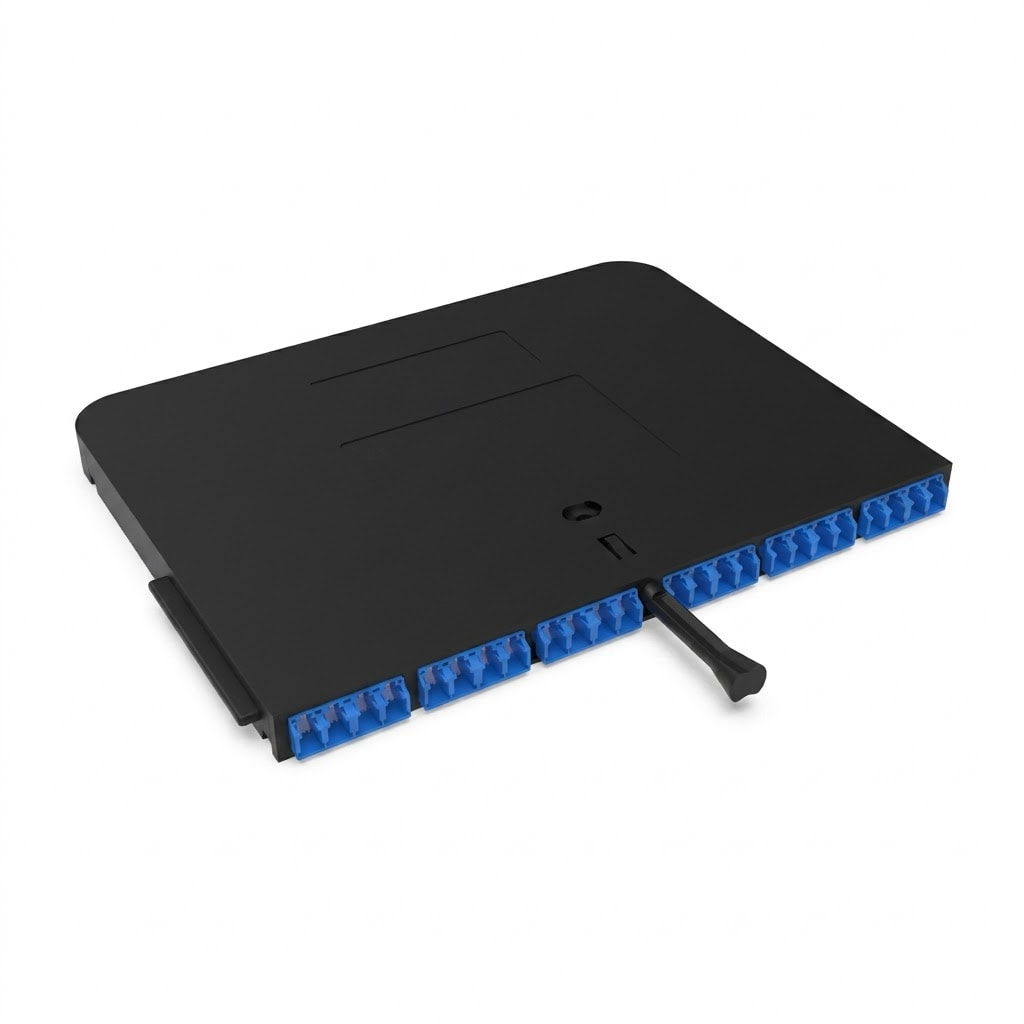
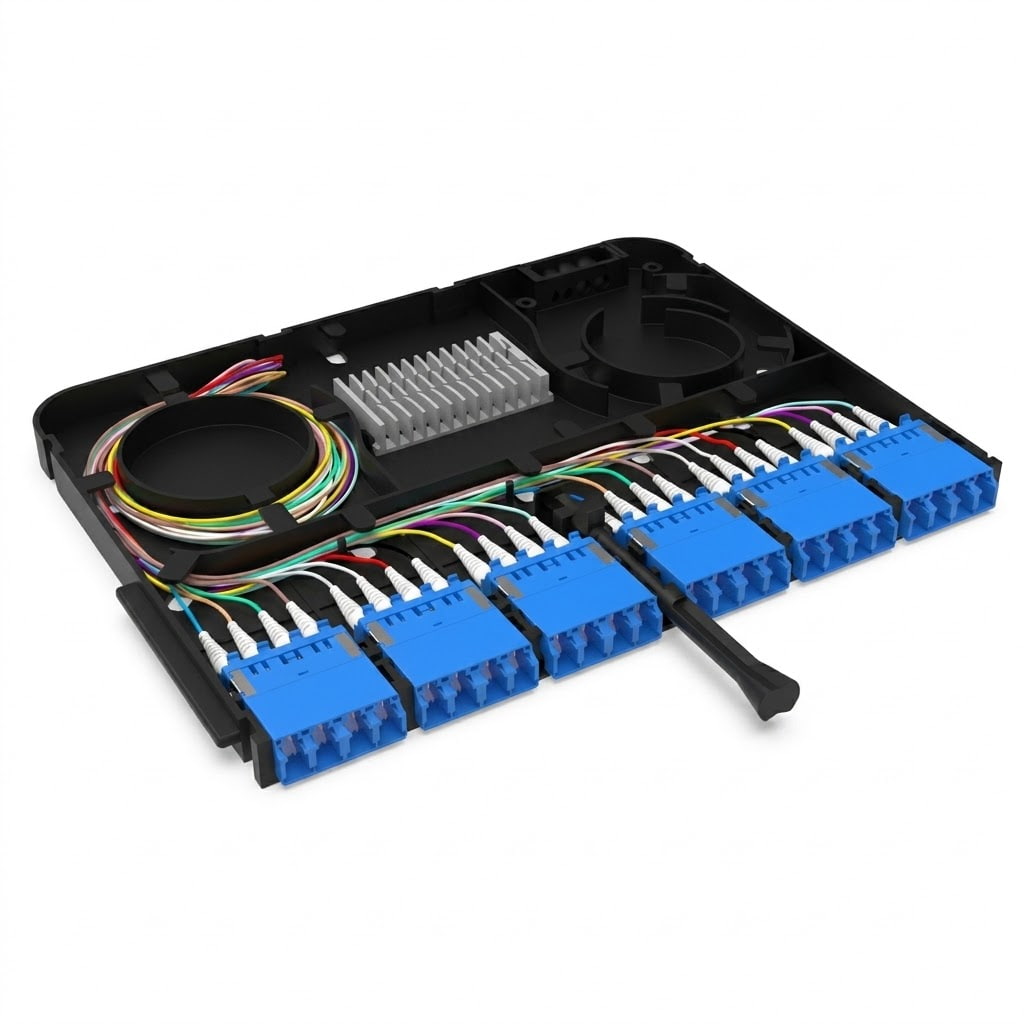
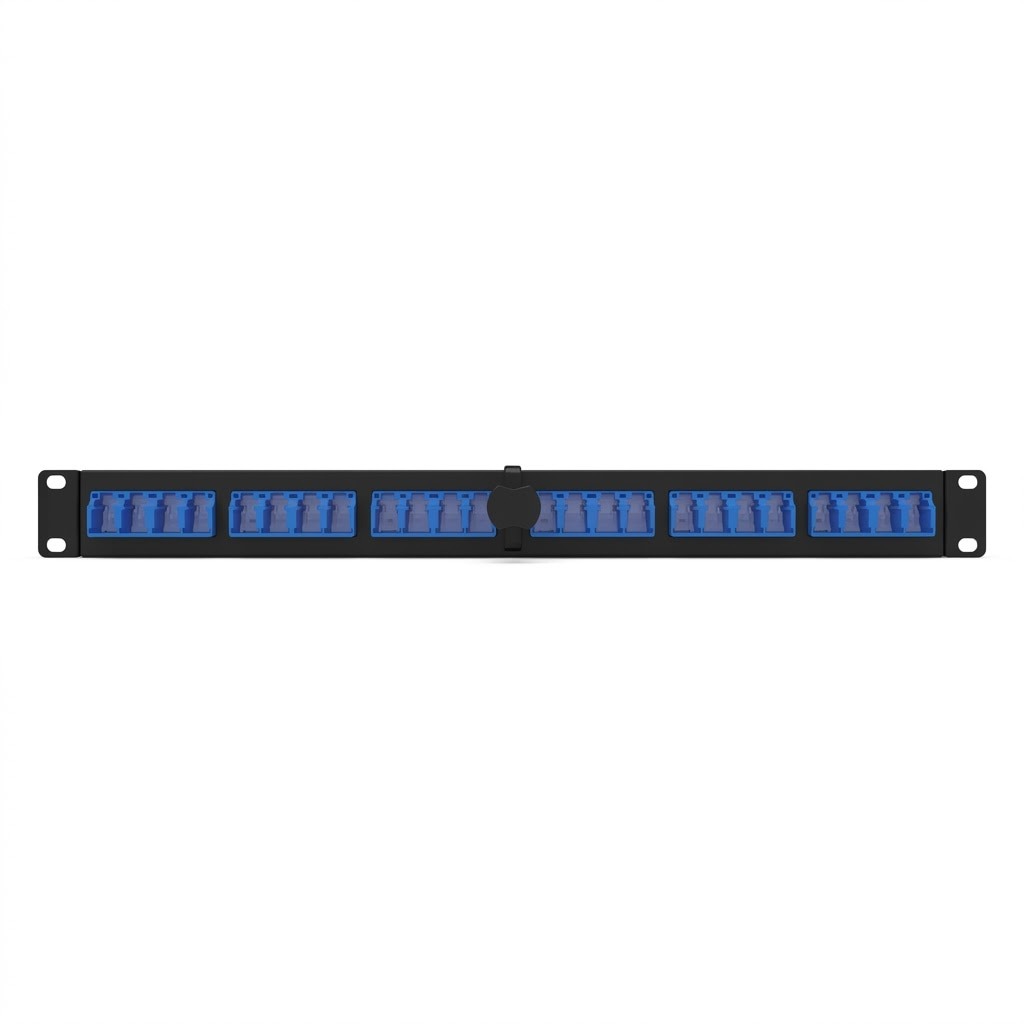
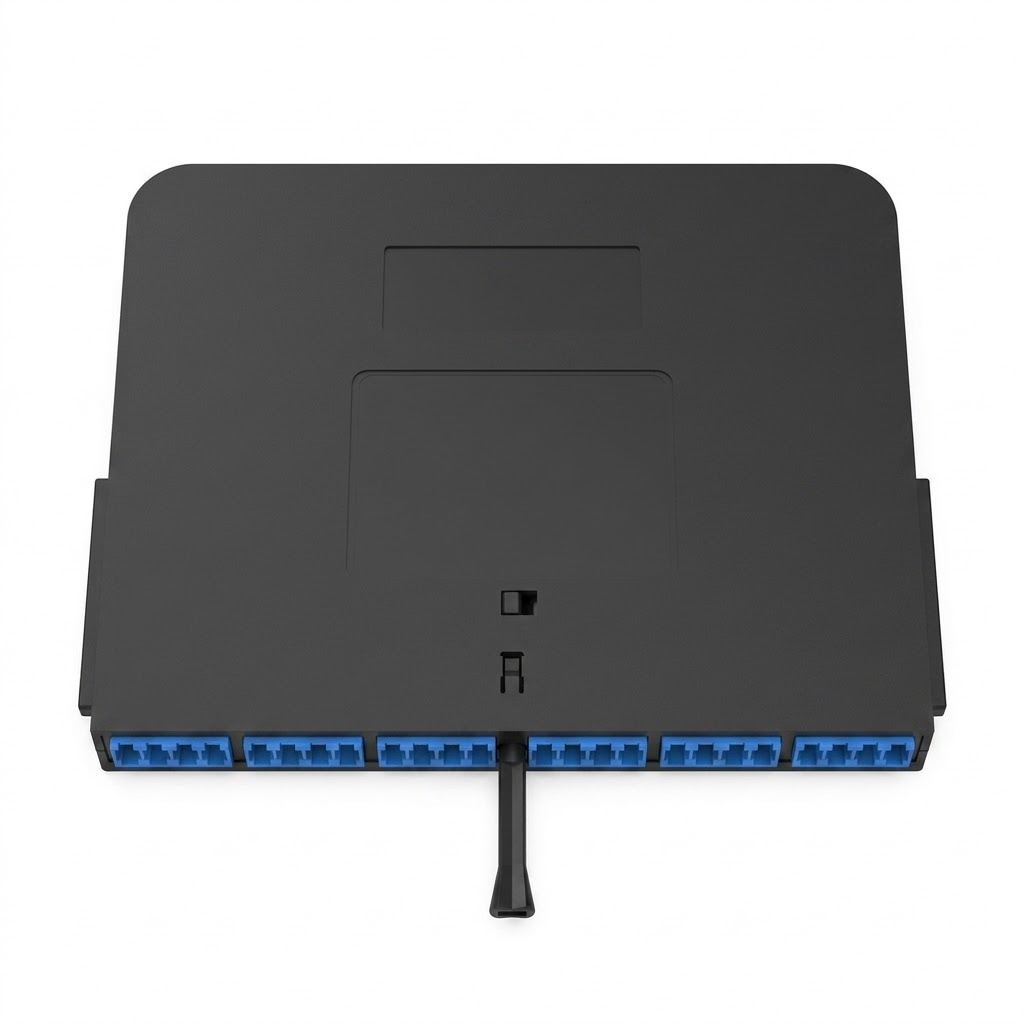
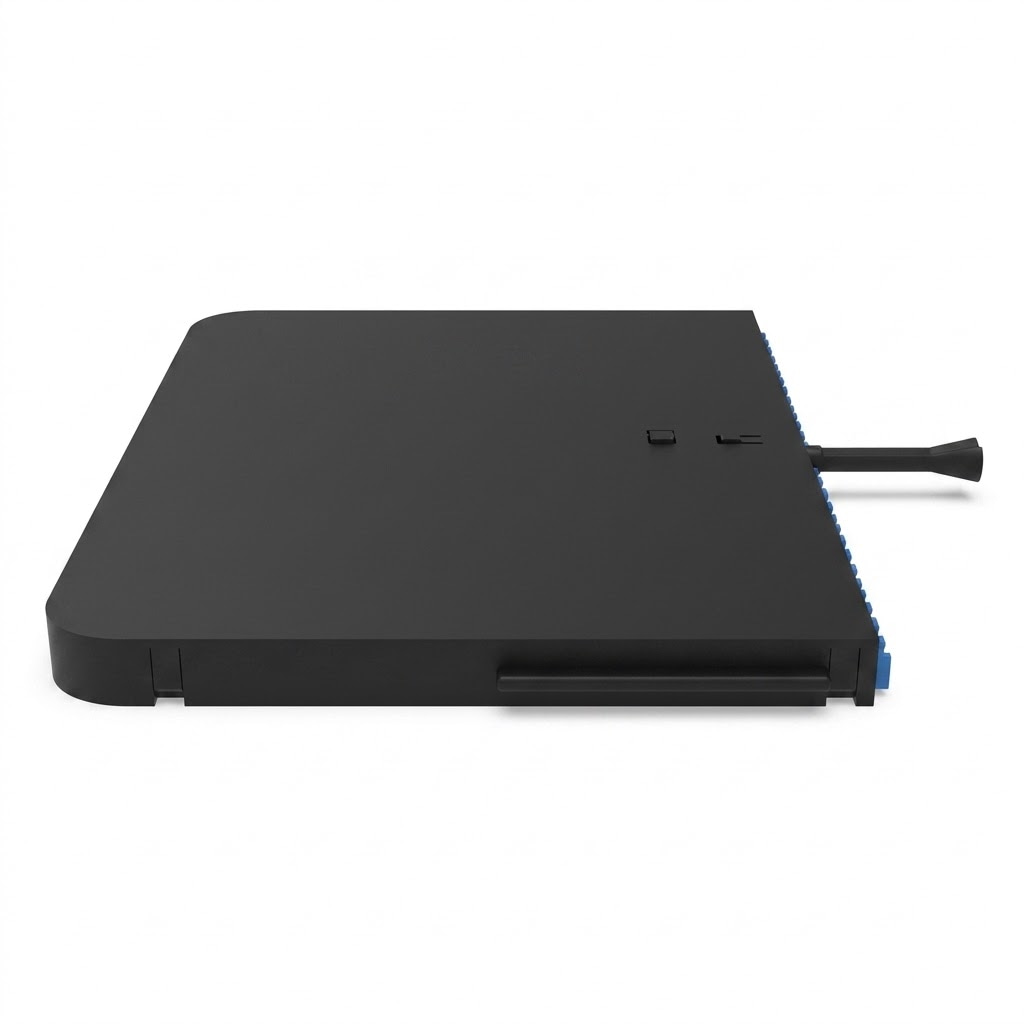
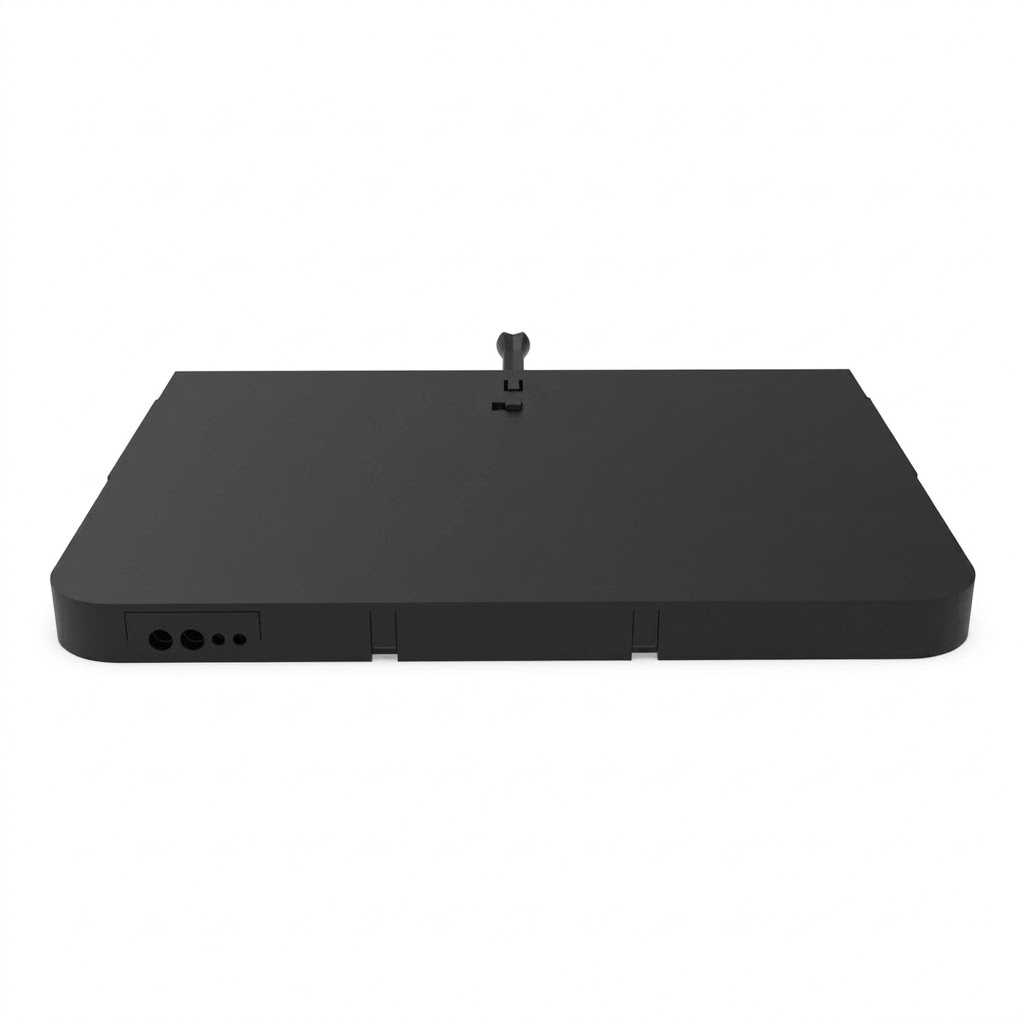
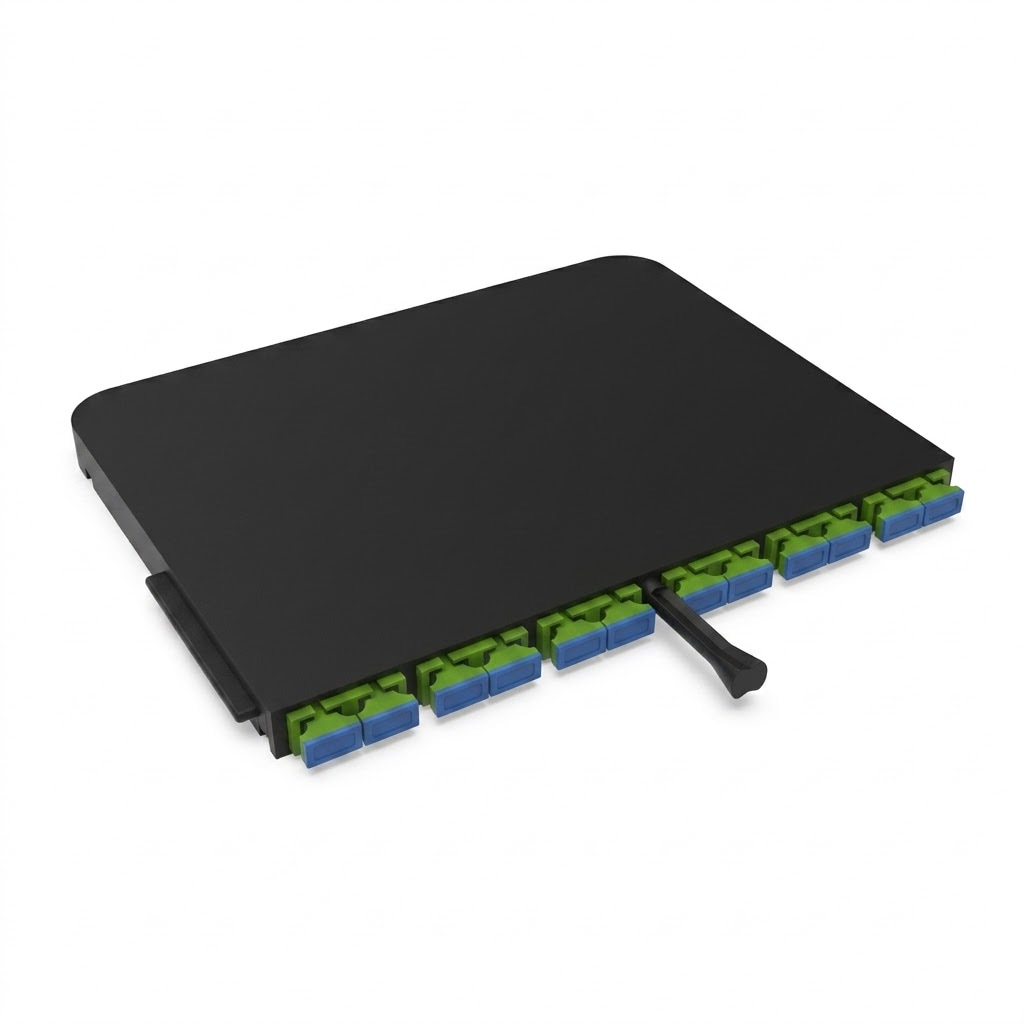
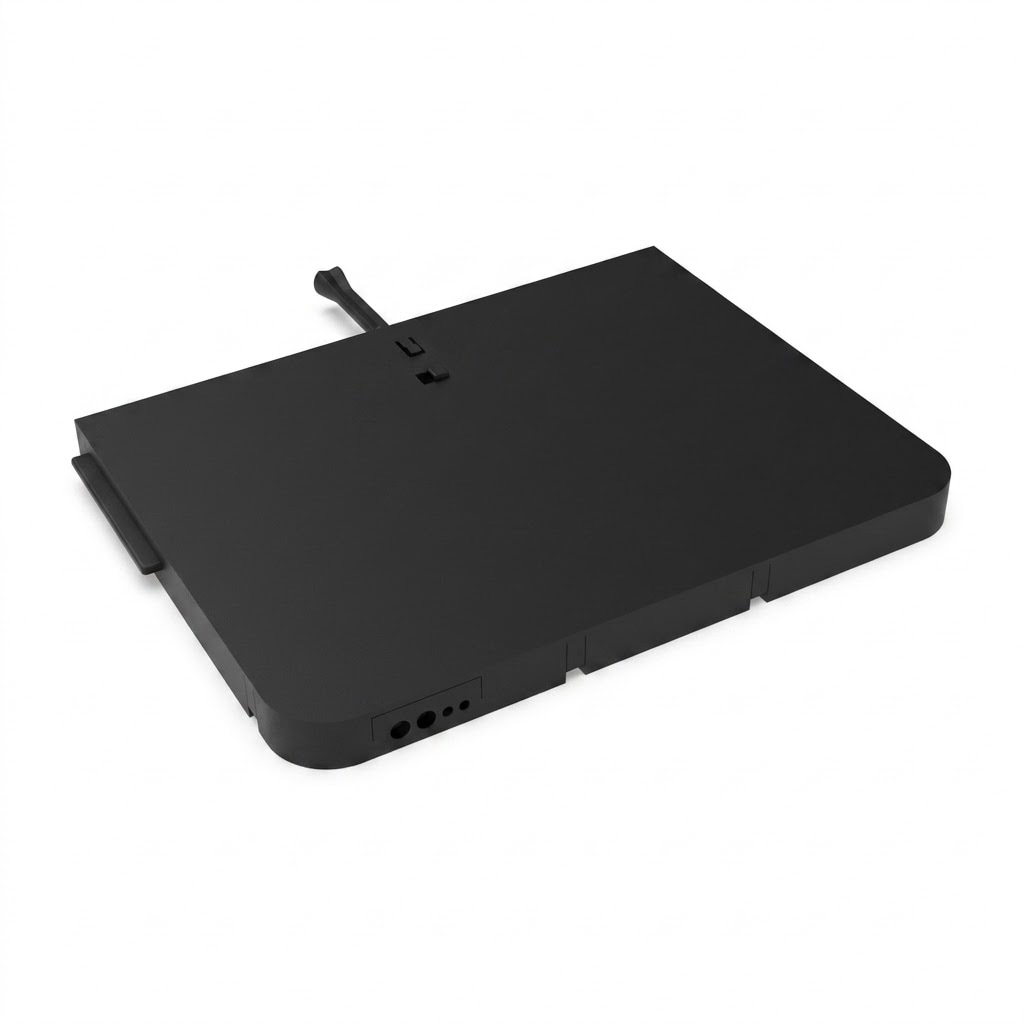
High Density Splice Cassettes
High Density Splice Cassettes
- Splice Holder Type: 40 mm heat shrink sleeves (crimp style and ribbon splice options available)
- Maximum Incoming Cable Diameter: 5.5 mm (0.22″)
- Maximum Fiber Capacity: 24 FO (LC) / 12 FO (SC)
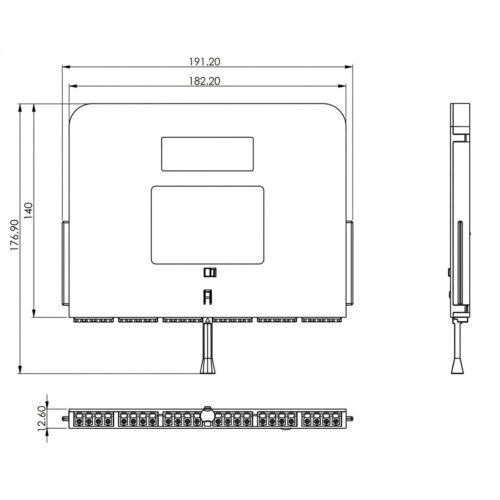
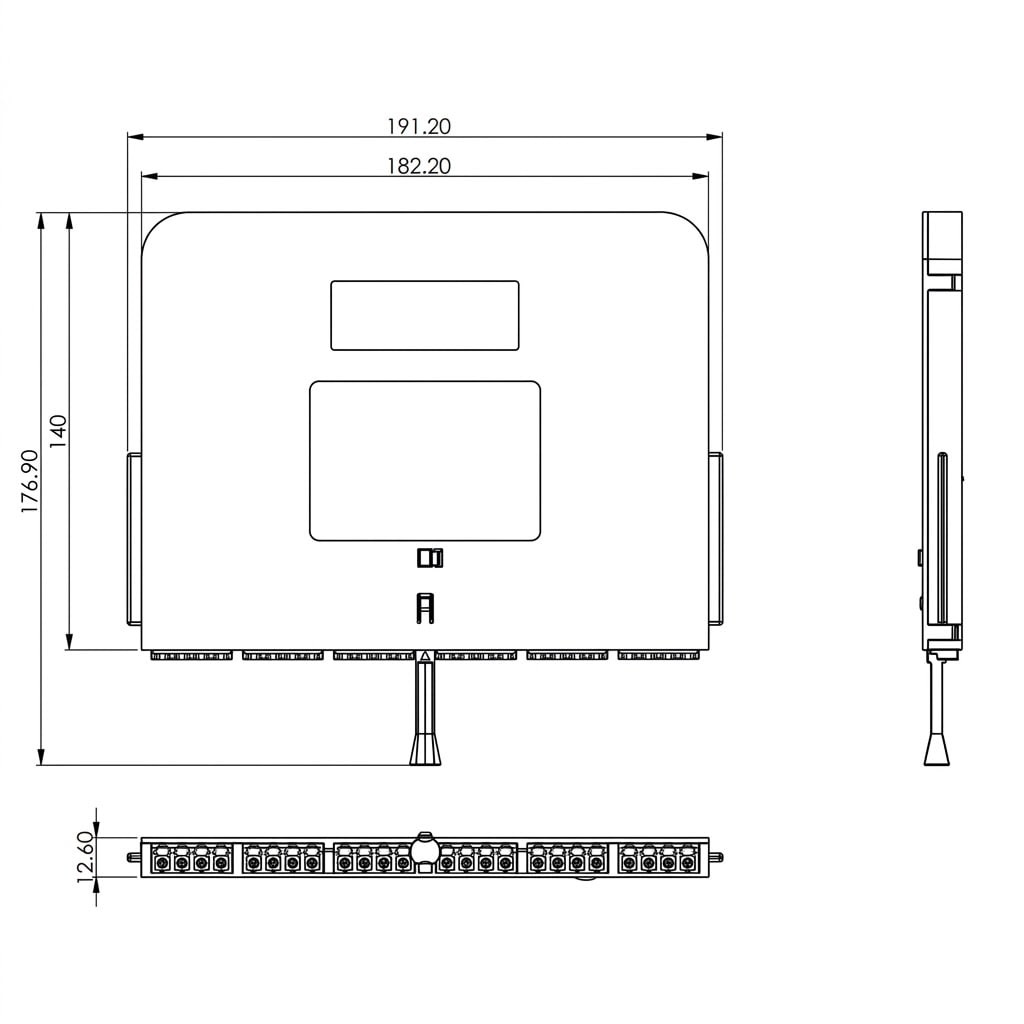
- Dimensions (HxWxD): 182.2 x 140 x 12.6 mm (7.17″ x 5.51″ x 0.50″ )
- Weight: 0.25 kg (0.55 lbs)
- Housing Material: Flame-retardant ABS + PC
- Housing Color: Black
-
Channel Insertion Loss:
-
Standard Grade (Singlemode): Average: ≤ 0.20 dB; Maximum: ≤ 0.30 dB
-
Standard Grade (Multimode): Average: ≤ 0.18 dB; Maximum: ≤ 0.30 dB
-
Premium Grade (Singlemode & Multimode): Average: ≤ 0.12 dB; Maximum: ≤ 0.15 dB
-
-
Return Loss (LC):
-
Singlemode: PC ≥ 60 dB; APC ≥ 65 dB
-
Multimode: N/A
-
- Operating Temperature: −40 °C to +70 °C (−40 °F to +158 °F)
- Reference Compliance Standard: TIA/EIA-568-C.3.

Core structure and components of the fiber splice cassette
A high-fiber splice cassette is a compact and modular fiber-management unit that protects optical splices while organizing fibers in a limited space. Its structure is crucial in FTTH, FTTx, telecommunications, data center, and fiber distribution networks. The structure also helps balance fiber density, mechanical protection, bend-radius management, accessibility, and installation efficiency. Its structure and components include:
- Cassette body—the cassette body forms the main structure manufactured from durable molded plastic or non-conductive impact-resistant material. It provides the foundation for the other components and creates a protected space for fiber routing and splice storage.
- Splice holder—this component holds individual fusion protectors securely in predetermined positions. The cassette may accommodate a different number of splice sleeves. This helps prevent splice protectors from moving, overlapping, or putting mechanical stress on the fibers.
- Fiber routing channels—the channels guide fibers around the tray and maintain the ideal bend radius, prevent fiber crossing and tangling, and keep fibers separated and organized.
- Fiber retention clips—the clips or tabs keep optical fibers in their designated routing paths. They prevent fibers from lifting out of the channels when the cassette is opened, closed, transported, or serviced. It also maintains consistent fiber organization throughout the life of the installation.
- Cable entry and exit points—the cassette has designated fiber entry and exit points through which feeder, distribution, or drop fibers enter and leave the tray. These points control the movement of the fiber and prevent excessive bending near the splice area.
- Mounting mechanism—the mounting system allows it to be installed inside a splice closure, distribution box, and fiber termination box. It keeps the cassette stable while allowing technicians to access the splice area.
Types of High density splice cassettes
The right type of splice cassettes depends on the number of fibers, enclosure design, and whether the network serves in FTTH, telecom, data centers, or backbone applications.
Single-fiber splice cassette
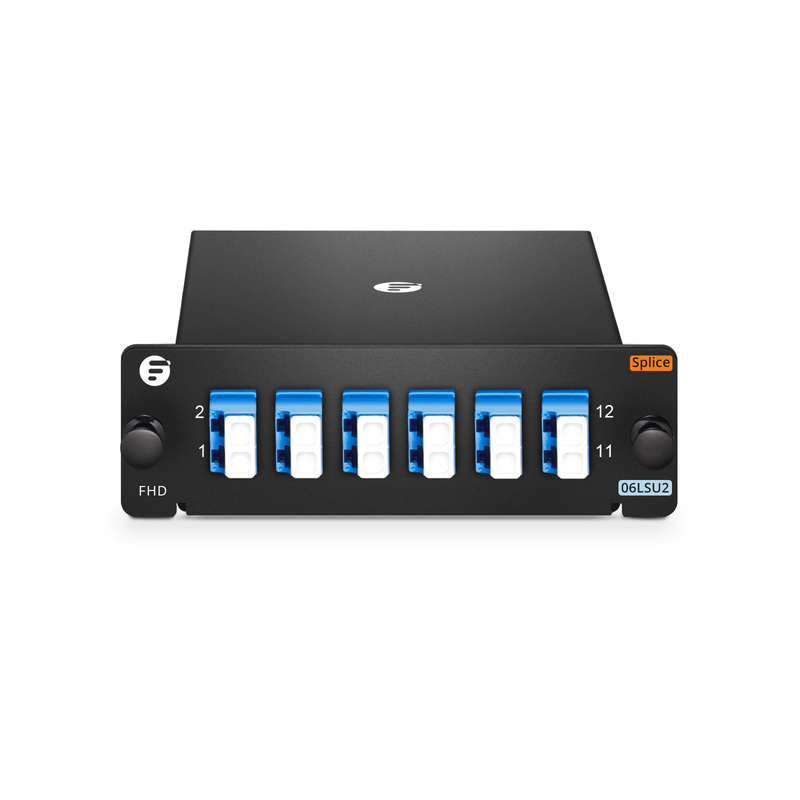
Single-fiber cassettes organize and protect individual fiber splices with each fiber routed separately. They serve in FTTH distribution networks, fiber termination boxes, small fiber distribution points, and low-density installations. They provide fiber identification and maintenance.
Ribbon fiber splice cassettes
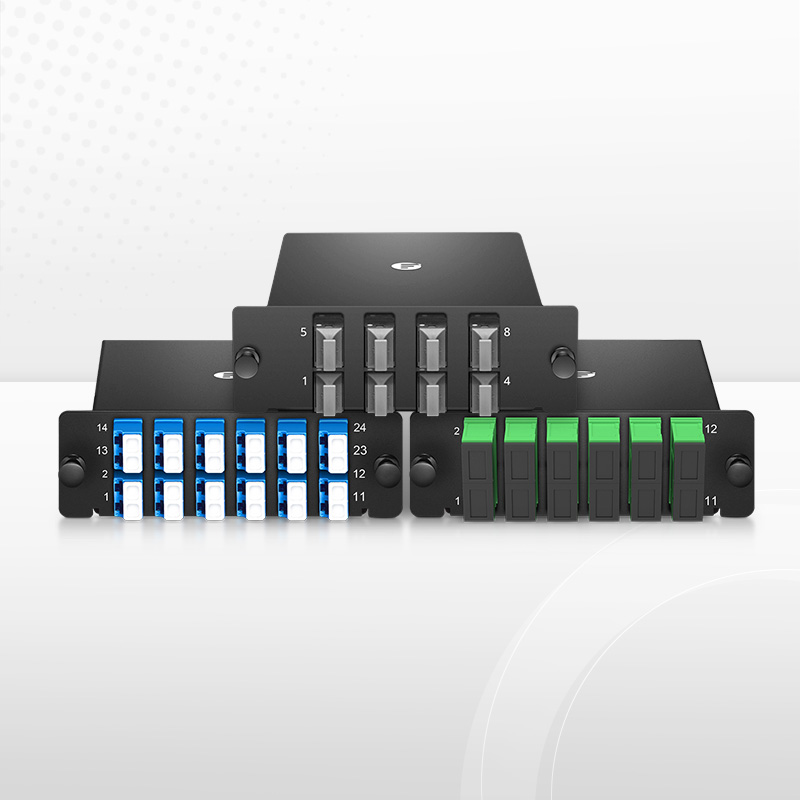
These are ideal for ribbon fiber, where many optical fibers are side-by-side in a flat ribbon. Ribbon fiber cassettes can accommodate many fibers in a single splice operation. They serve in fiber backbone networks, high-density telecommunications, data centers, and large FTTH deployments.
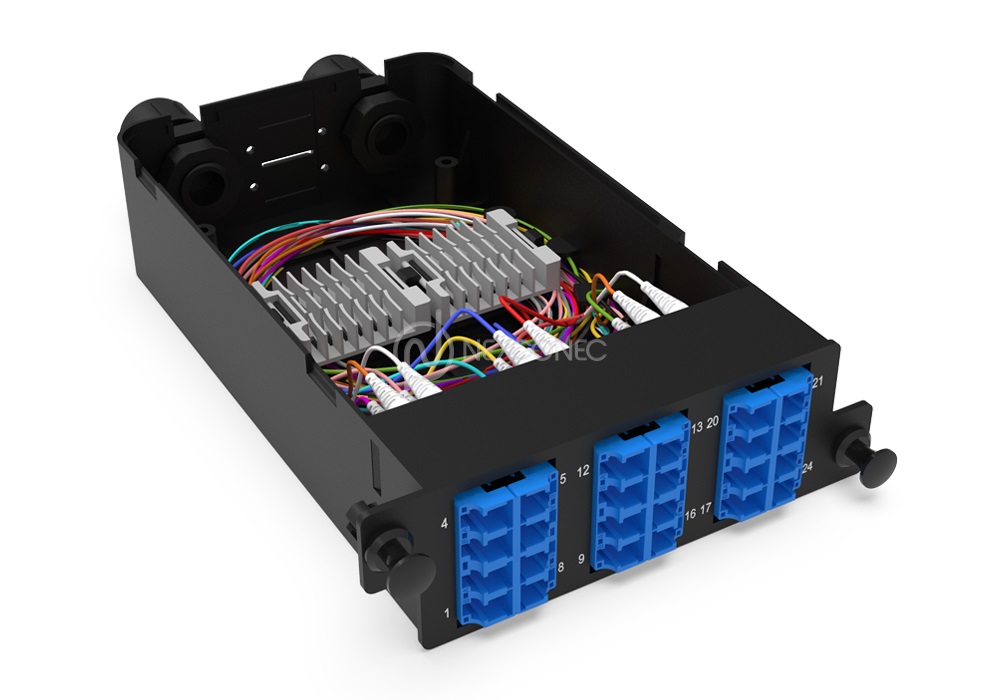
LC connector fiber cassette
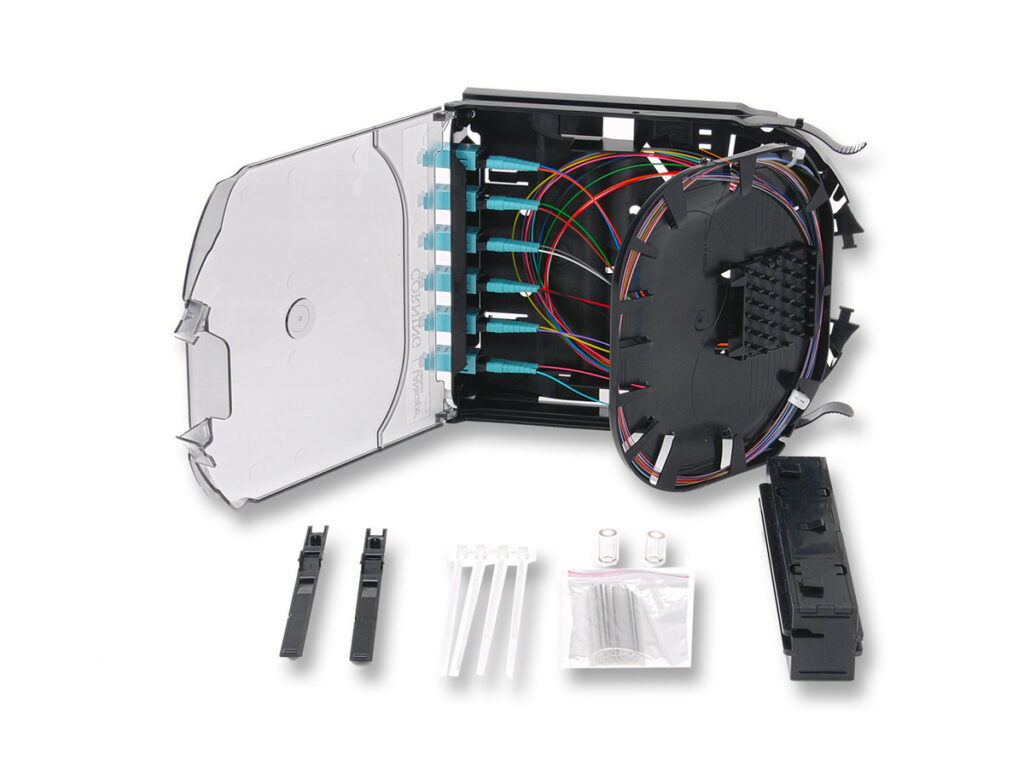
These cassettes have LC adapters, which are small-form-factor connectors used in high-density applications. LC cassettes have a higher port density that allows for more connections in a limited space.
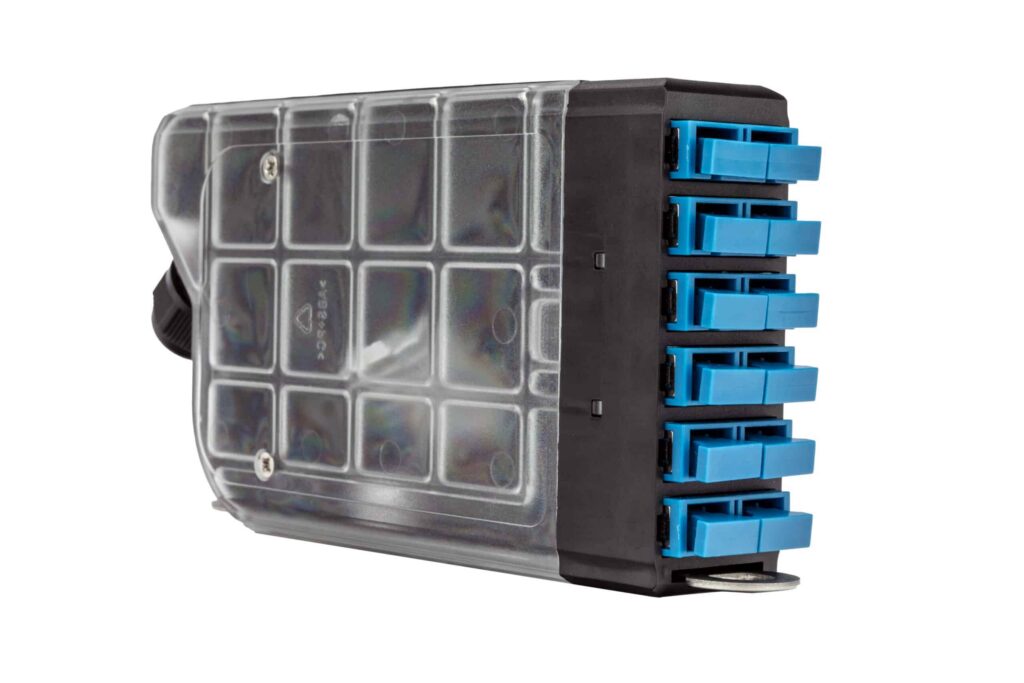
SC connector fiber cassette
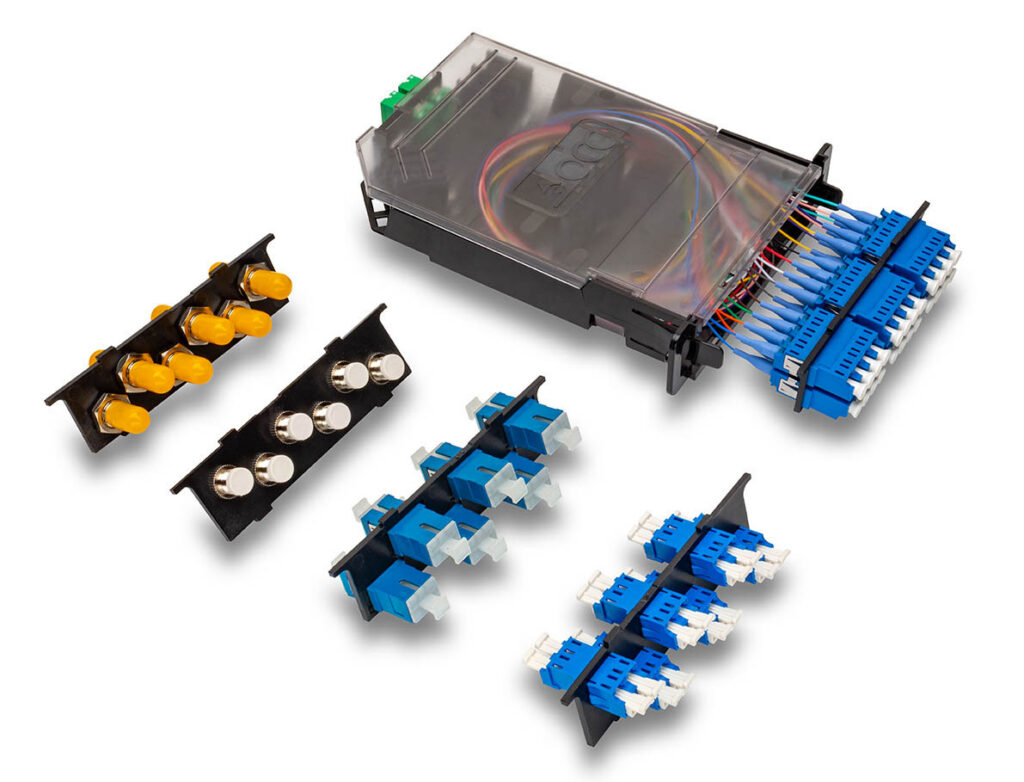
These cassettes have SC adapters that are common in fiber optic networks. SC cassettes offer a simple and robust design suitable for various applications.
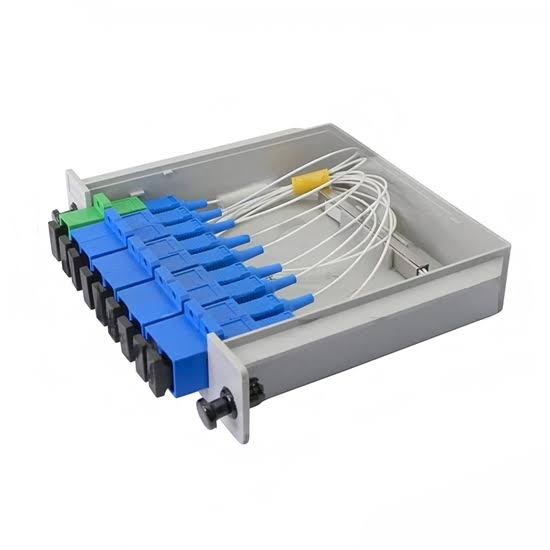
Splice and splitter cassettes
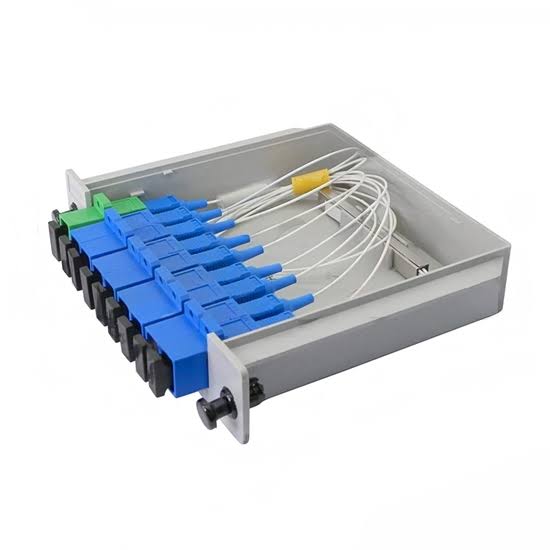
These combine fiber splicing and optical splitting in one module. They are ideal for FTTH passive optical networks. This is where an incoming feeder fiber connects to a PLC splitter that distributes optical signals to many subscribers. Its design reduces the amount of separate equipment needed within a distribution enclosure.
Selecting the right splice cassette
The right fiber splice cassette must match the fiber type, splice configuration, enclosure, environmental conditions, installation needs, and expected network growth. Here are the common factors to consider when selecting the right fiber splice cassettes.
- Determine the required fiber capacity—establish the number of fibers and splices that the cassette should accommodate. It is crucial to consider current fiber count, number of fusion splices, spare capacity, and network expansion.
- Match the cassette to the fiber type—the cassette should be compatible with the optical capable being deployed. The fiber construction affects how fibers enter the cassette, how they are routed, and how they are secured around the splice area.
- Check splice compatibility—verify that the cassette’s splice holders are compatible with the splice protection sleeves being used. The design should accommodate the fusion splice sleeves, ribbon splice protectors, and splice holder dimensions.
- Check fiber routing and bend-radius control—the cassette should provide enough space for fibers to follow controlled routing paths without exceeding their specified minimum bend radius. It is advisable to check for smooth fiber-routing channels, bend-radius guides, fiber retention features, and controlled entry and exit points.
- Consider enclosure compatibility—the cassette must fit the intended enclosure or distribution system. Check for mounting dimensions, cassette height and width, mounting-hole pattern, and stacking mechanism.
- Check material and mechanical quality—the cassette should consist of materials capable of or withstanding the intended installation environment. Assess for impact resistance, dimensional stability, heat resistance, and resistance to aging.
- Verify standards and testing—verify for dimensional inspection, fiber-routing verification, splice-holder retention, mechanical strength, environmental testing, material verification, and temperature cycling.
Technical specifications for the high density splice cassettes
The specifications define their capacity, mechanical design, fiber-management performance, compatibility, and operating conditions. It is crucial to assess the specifications against requirements of the complete fiber enclosure rather than being considered.
| Splice holder type | 40 mm heat shrink sleeves (crimp style and ribbon splice options available) |
| Maximum incoming cable diameter | 5.5mm |
| Maximum fiber capacity | 24 FO (LC) / 12 FO (SC) |
| Dimensions | 182.2 x 140 x 12.6 mm (7.17″ x 5.51″ x 0.50″ ) |
| Weight | 0.25 kg (0.55 lbs) |
| Housing material | Flame retardant ABS + PC |
| Housing color | Black |
Application areas for the high fiber splice cassettes
High fiber splice cassettes serve where large numbers of optical fibers must be spliced, protected, organized, or routed within a compact fiber-management system. Their high-density design makes them critical in FTTH networks, telecommunications infrastructure, data centers, and fiber backbone systems. They mostly serve in:
- FTTH networks—high fiber splice cassettes serve inside fiber distribution boxes, splice closures, cabinets, and other access-network equipment. High-density cassettes allow operators to manage more subscribers while using limited cabinet and enclosure space.
- Fiber distribution cabinets—the cassettes provide structured storage for fiber splices and help separate feeder and distribution fibers. They help manage network identification, testing, troubleshooting, and expansion.
- Fiber optic splice enclosures—splice cassettes serve inside fiber optic splice closures. They organize and protect fiber splices in aerial fiber networks, underground networks, manhole installations, and outdoor FTTH infrastructure. The cassettes provide internal fiber management, while the splice closure provides the environmental and mechanical protection.
- Telecommunication networks—operators use high-fiber splice cassettes in access, metro, and backbone fiber networks. They manage high fiber counts at network nodes where cables converge. They serve in broadband networks, carrier networks, metropolitan fiber networks, and long-distance optical networks.
- Data centers—splice cassettes serve in fiber backbone connections, structured cabling systems, and specialized optical distribution equipment. Their organized routing helps technicians identify and maintain individual fiber circuits without disturbing other fibers.
- Broadband and access networks—internet service providers use high-fiber cassettes in broadband infrastructure where optical fibers serve residential and commercial customers. They integrate into optical distribution points, fiber cabinets, stress-side enclosures, and distribution boxes.
The benefits of high density splice cassettes in telecommunication networks
High-fiber splice cassettes help organize, protect, and manage large numbers of optical fiber splices. They are critical in FTTH, FTTB, backbone, data center, and outside-plant fiber networks. The cassettes combine high-density fiber management with splice protection, controlled routing, accessibility, and scalability. Their key benefits in the networks include:
- High-density fiber management—the splice cassettes accommodate many optical fibers and splices within a compact space. They allow operators to manage increasing fiber counts without the need for larger enclosures. High-fiber splice cassettes help optimize space in fiber distribution cabinets, optical distribution frames, splice closures, and FTTH distribution boxes.
- Improved fiber organization—high fiber splice cassettes provide designated routing channels, splice holders, and retention features. The cassette keeps them controlled in pathways to reduce fiber congestion.
- Protection of fiber splices—optical fiber splices experience mechanical stress if not properly secured. A splice cassette holds splice protection sleeves in dedicated positions. They protect splice points from bending, pulling, impact, and movement.
- Better bend-radius management—high fiber splice cassettes use controlled routing paths and curved guides that help maintain the needed bend radius. This is important in high-density installations because adding more fibers to a small enclosure can create tight bends and fiber congestion.
- Support for network expansion—many high fiber splice cassettes allow the introduction of extra capacity as the network grows. The scalability allows network operators to plan for future demand.