
In telecommunications, the pre-connectorized fiber distribution box is a fiber-optic distribution enclosure that is factory-assembled with fiber connectors, adapters, and/or cables. It reduces the amount of field splicing and termination needed during FTTH or fiber-access network installation. The box serves as a central connection and distribution point between an incoming feeder and many drop cables. Traditional fiber distribution boxes need extensive field termination, while the pre-connectorized one comes with key optical connections prepared. In an FTTH network, the distribution box provides the transition between the optical distribution cable and the individual subscriber drop cables. The pre-connectorized fiber distribution box is designed to make fiber-network deployments faster, more standardized, and easier to maintain. This distribution box serves at the distribution point between the ODN feeder segment and the drop segment. It acts as the interface where one or more feeder cables connect to drop cables leading to the premises.
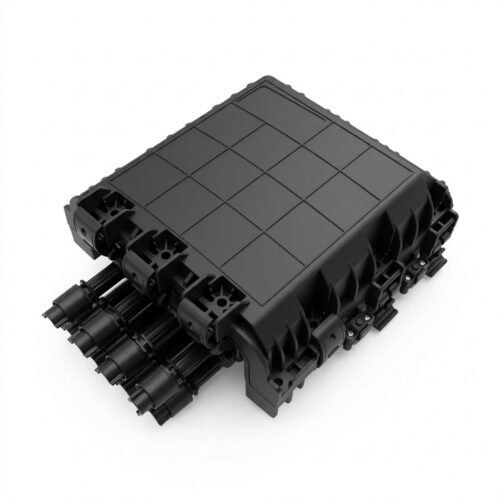
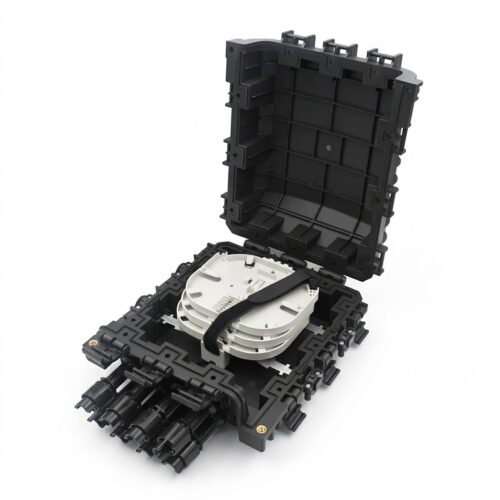
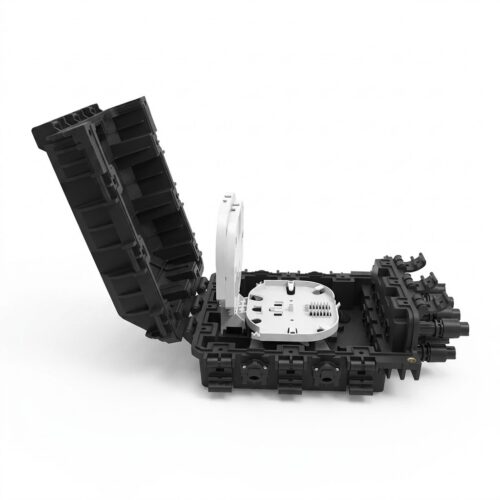
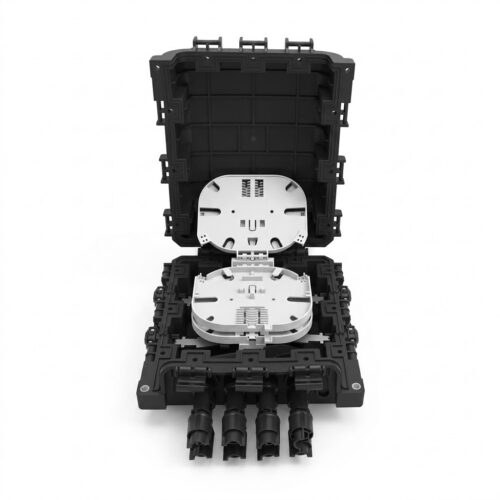
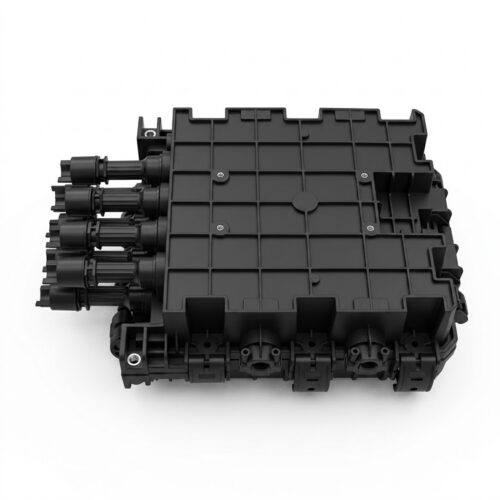
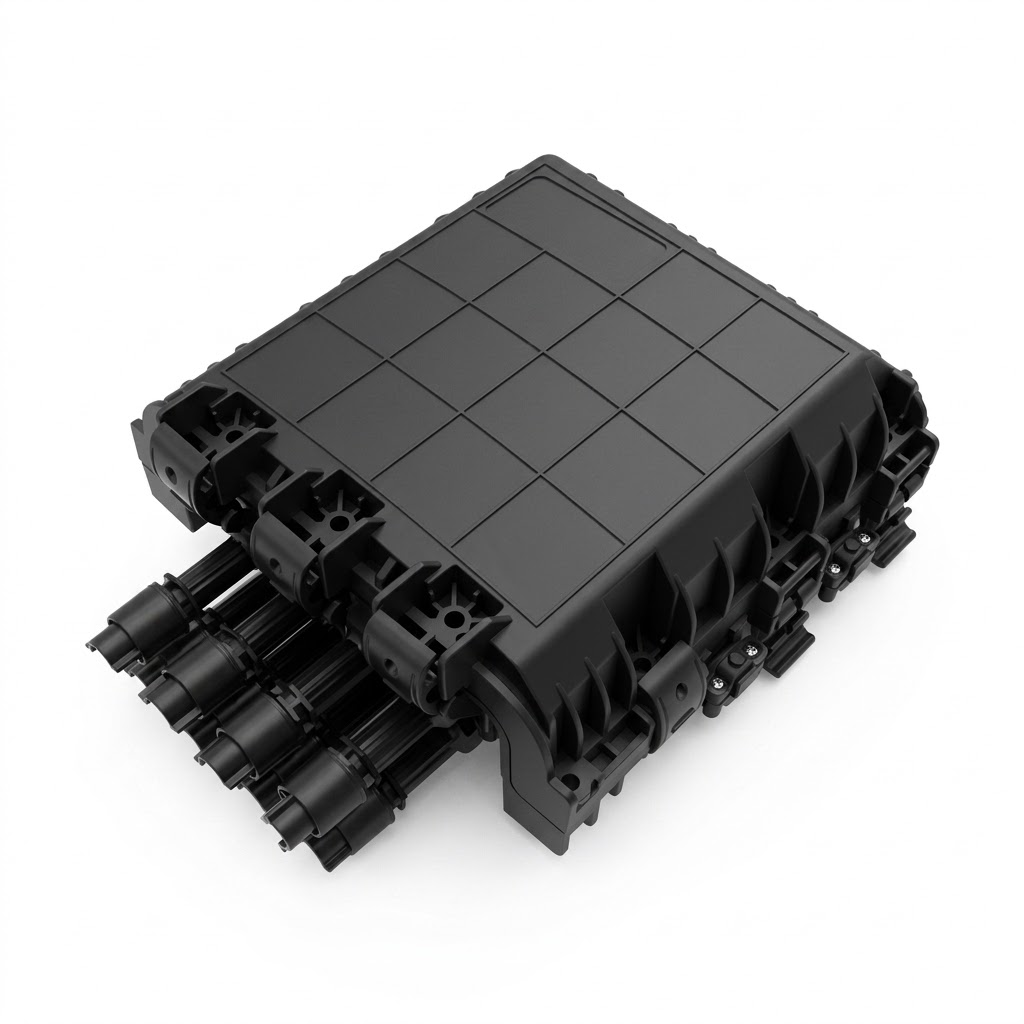
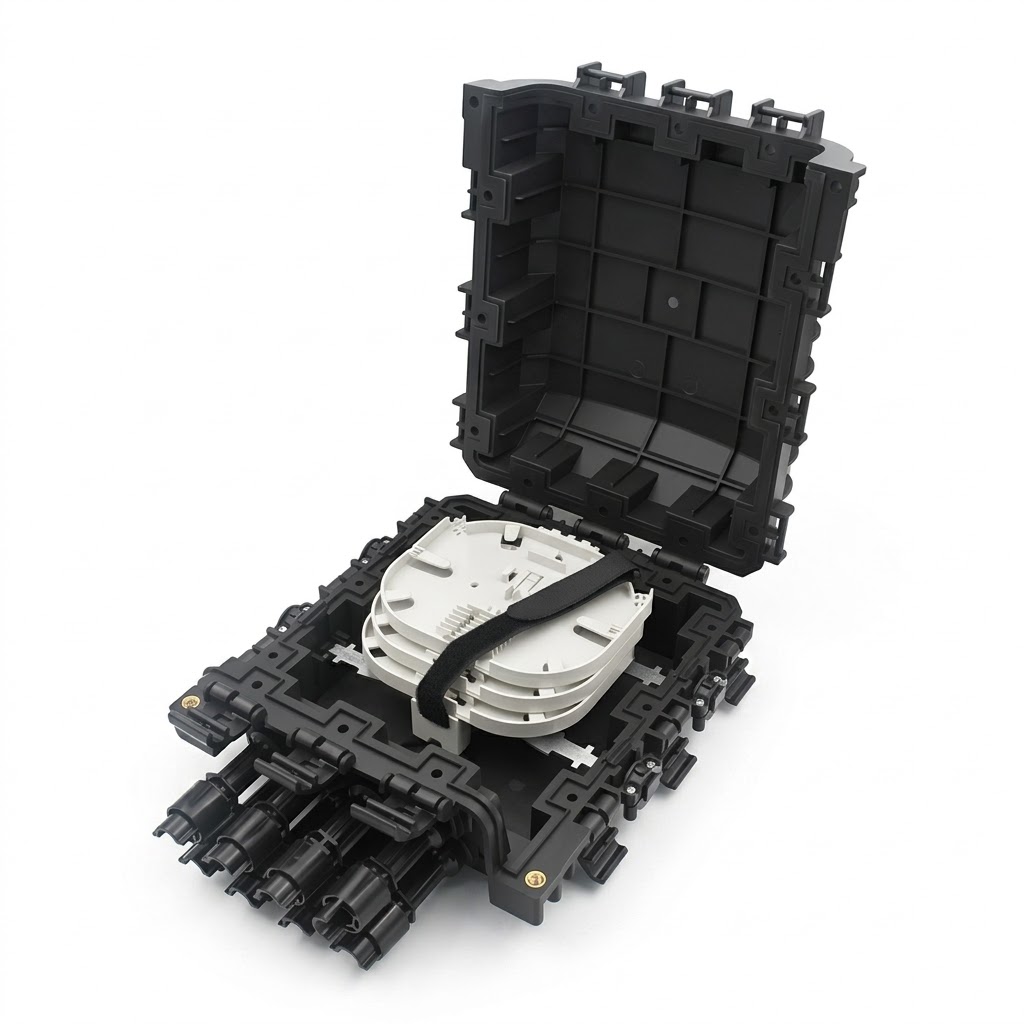
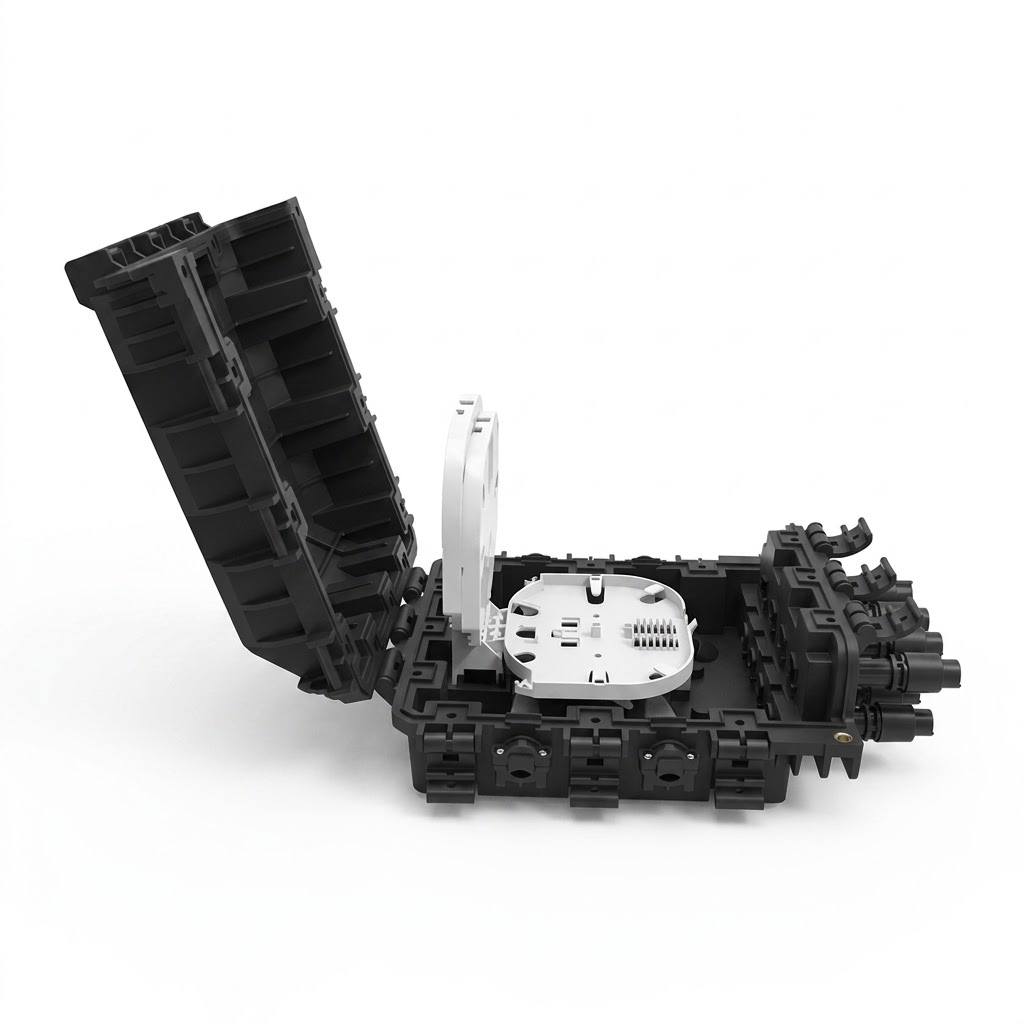
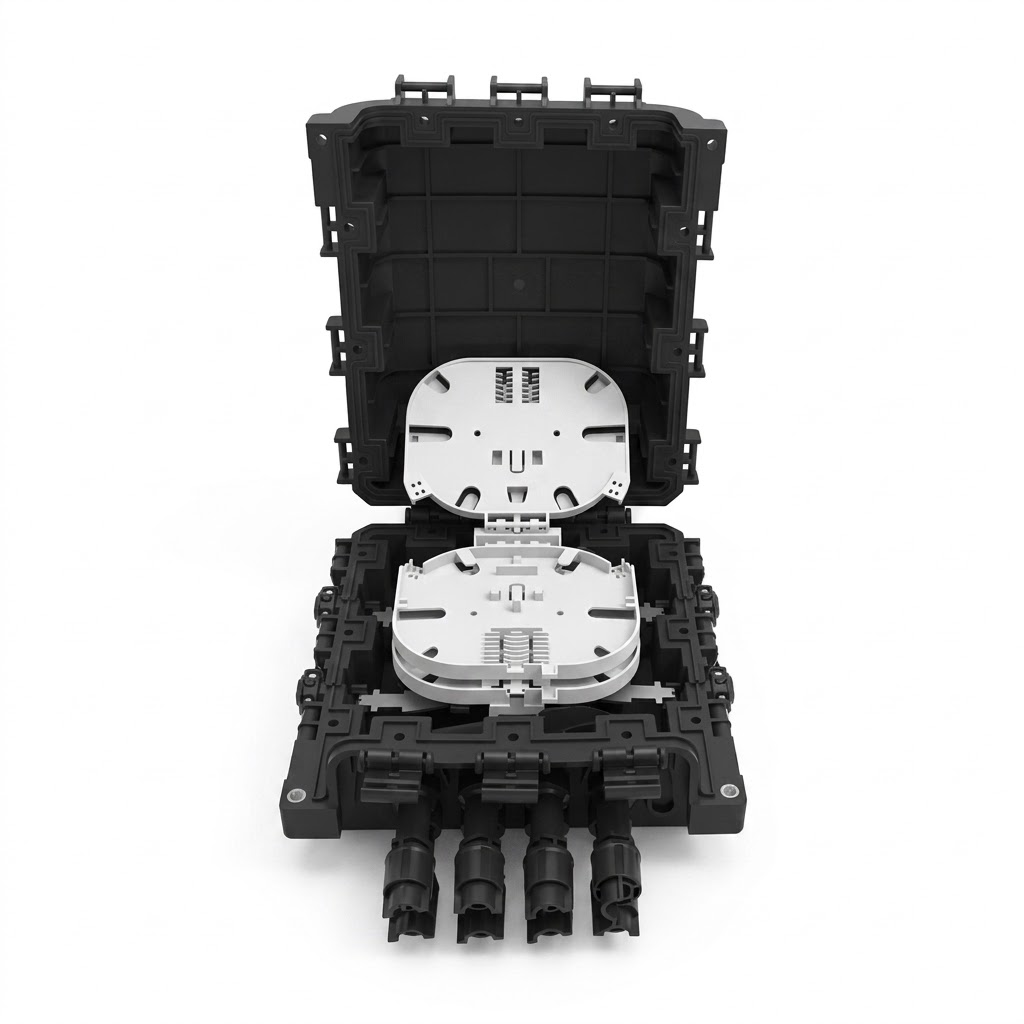
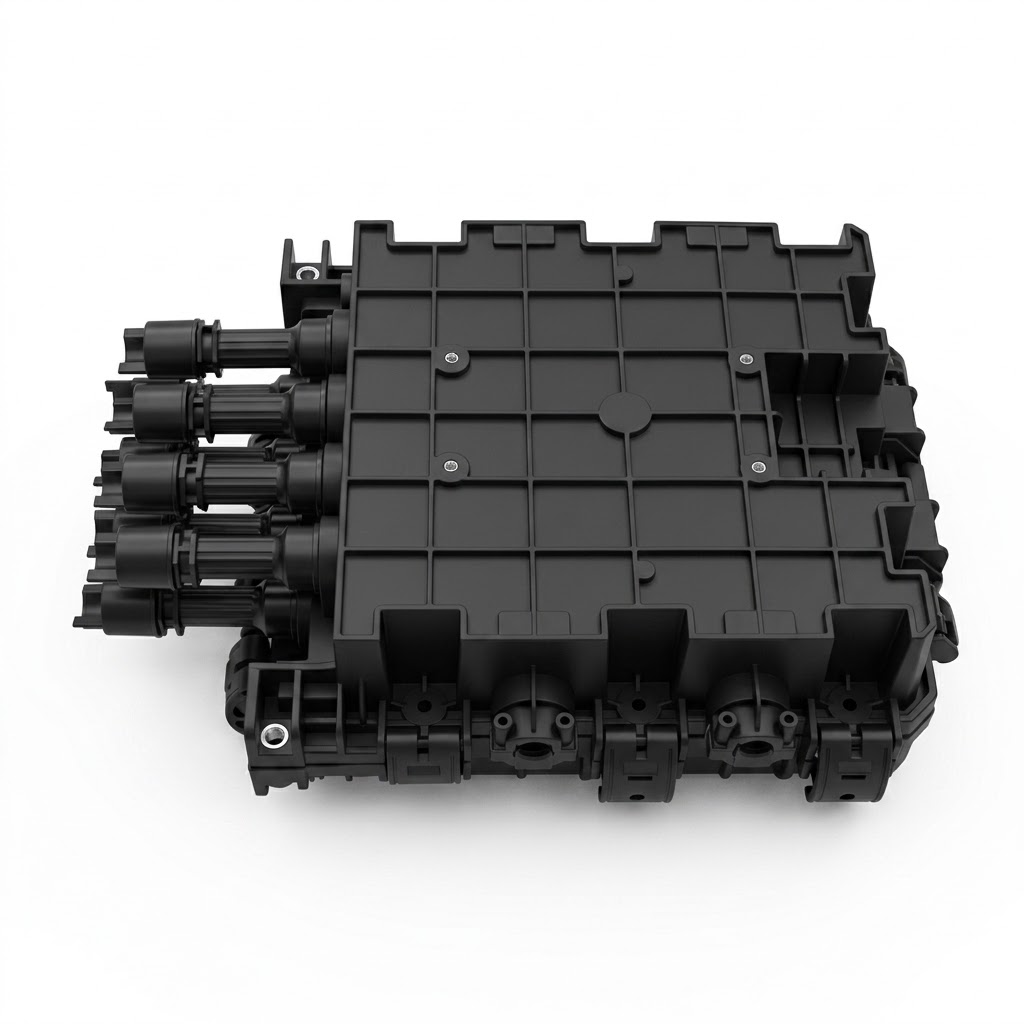
Pre-connectorized Fiber Distribution Box with TYCO Compatible SC Adapter
Outdoor Fiber Distribution Box with TYCO Compatible SC Adapter
- Max. Splice Capacity: 8 Cores,Accommodates 1 pc of 1×8 steel tube PLC splitter
- Cable Ports: 2 In and 8 Out
- Cable Diameter(mm): Inlet Cable: Φ10–Φ16 mm (Φ0.39″–Φ0.63″),
Outlet Cable: Flat cable 2×3 mm (0.08″×0.12″) / Round cable Φ2–Φ5 mm (Φ0.08″–Φ0.20″) - Adapter: Mini-SC Waterproof Adapter (TYCO Type) / Mini SC Hardened Adapter
- Color: Black
- Material: PP+ 30%Glass Fibe
- Sealing Structure and Material: Mechanical Sealing with Strengthen Polymer Plastic
- Operation Temperature: -40°C to +50°C (-40°F to 122°F)
- Dimension(L*W*H): 328 × 247 × 124 mm (12.91″ × 9.72″ × 4.88″)
- Weight:3.5 kg ( 7.72 lbs)
- Protection Class: IP55
- Installation: Wall-Mounting/Pole mounted

Component structure of a pre-connectorized fiber distribution box
The pre-connectorized fiber distribution box consists of several components that manage, protect, distribute, and terminate optical fibers. Its structure simplifies FTTH deployment by reducing field splicing and allowing technicians to make standardized plug-and-play connections. These components include:
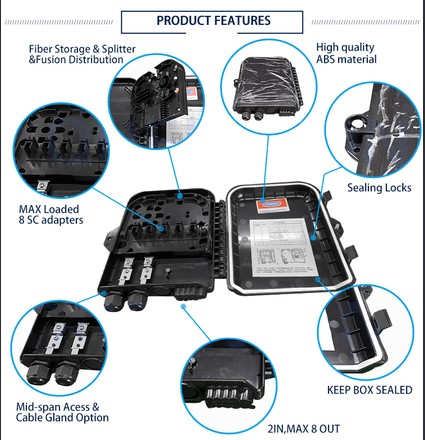
- Enclosure – this forms the main body of the distribution box and protects internal optical components from mechanical impact, dust, moisture, UV exposure, and other conditions. The enclosure may be from ABS, PC, polycarbonate, or other engineering plastics. Some may also use sealing features and an appropriate IP protection rating.
- Fiber entry ports – these ports provide controlled points for bringing feeder, distribution, or trunk cables into the box. It includes cable glands, sealing rings, and clamps to help secure those cables. These also prevent excessive movement and environmental contamination.
- Pre-connectorized fiber assembly – the fibers are factory-terminated with optical connectors such as SC or LC connectors. Factory termination provides a more consistent connector quality and reduces the amount of field termination needed during installation.
- Adapter panel – this provides the interface between incoming and outgoing optical connections. These adapters hold connectors and maintain accurate alignment between their ferrules. This is ideal for SC/UPC, SC/APC, LC/UPC, and LC/APC configurations.
- Fiber splice tray—the splice tray serves as the place where feeder fibers, pigtails, or splitter inputs need to be spliced. The tray provides organized fiber routing and protects splice points against mechanical stresses.
- PLC splitter—the box may contain a PLC splitter that divides the incoming optical signal into multiple output fibers. The suitable ratio for the configurations depends on the FTTH network design and needed subscriber capacity.
- Fiber management system – the internal fiber routing guides, storage areas, and retaining clips keep optical fibers organized. It prevents excessive bending, twisting, or compression that can increase optical attenuation.
Common types of pre-connectorized distribution box used in telecommunications
Pre-connectorized fiber distribution boxes come in different configurations to accommodate FTTH, FTTB, FTTx, access networks, and other fiber-optic connection systems. These types depend on their installation environment, fiber capacity, connector configuration, splitter integration, and cable-management architecture.
Wall-mounted distribution boxes
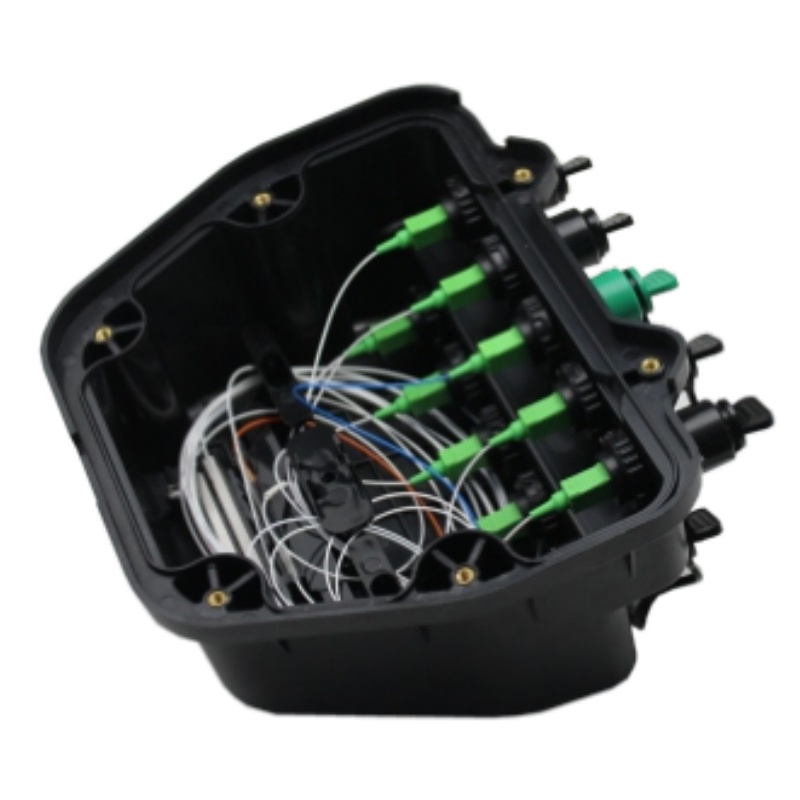
These are ideal for indoor or protected outdoor installations installed on building walls, communication rooms, utility structures, and telecom cabinets. They contain adapter panels, fiber management trays, and pre-terminated fiber assemblies. These distribution boxes serve in FTTH buildings, offices, residential complexes, and telecom distribution points.
Pole-mounted pre-connectorized distribution boxes
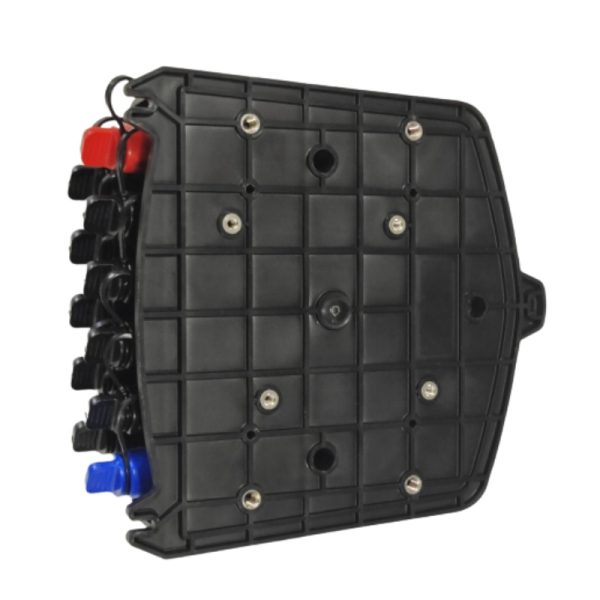
These boxes are designed for aerial telecommunications networks where optical distribution cables are routed along the poles. Their enclosures need stronger mechanical construction and effective environmental sealing. This is crucial for exposure to rain, dust, temperature fluctuations, wind, and UV radiation. Pole-mounted distribution boxes serve in aerial FTTH networks, rural broadband, and overhead fiber distribution.
Outdoor weatherproof distribution boxes
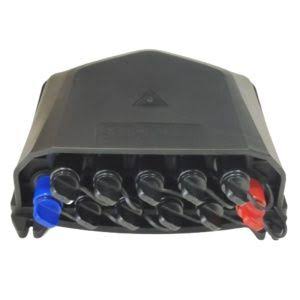
These boxes have a sealed construction that protects connectors, splitters, splice points, and fiber-management. It protects components against water ingress, dust, corrosion, and environmental contamination. Most of the boxes use weather-resistant polymer housings, sealing gaskets, cable glands, and locking mechanisms. They are ideal for outdoor FTTH access networks, street-level distribution points, and telecom infrastructure exposed to harsh environments.
Splitter-integrated distribution boxes
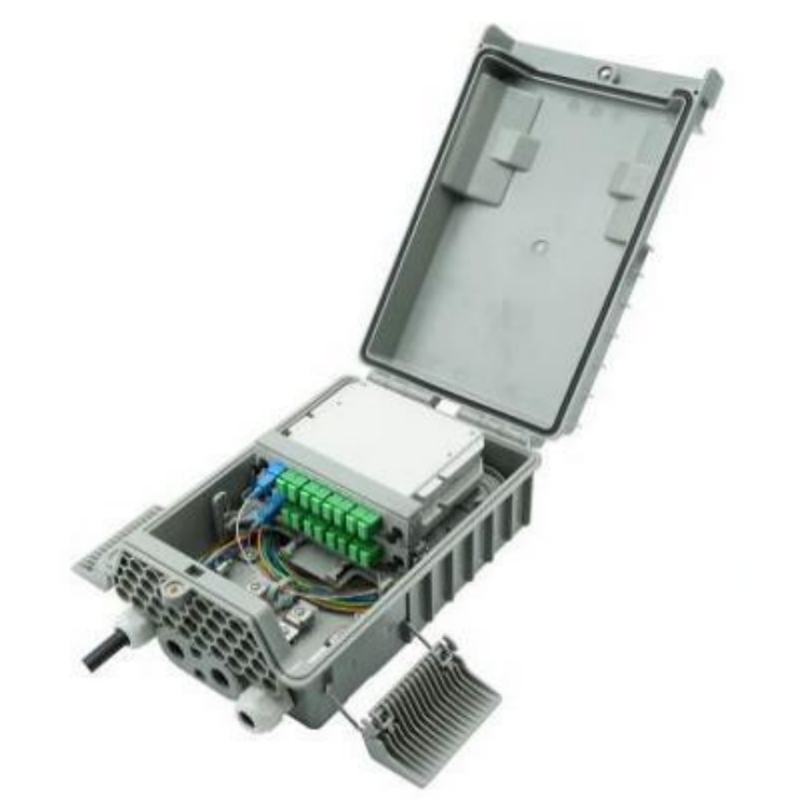
This distribution box combines fiber distribution and optical signal splitting within a single enclosure. The PLC splitter receives an incoming feeder fiber and divides the optical signal among output fibers. Their design reduces the number of separate network components and simplifies FTTH deployment. Splitter-integrated distribution boxes serve in passive optical networks such as GPON, XGS-PON, and other FTTx architectures.
Splice-and-distribution boxes
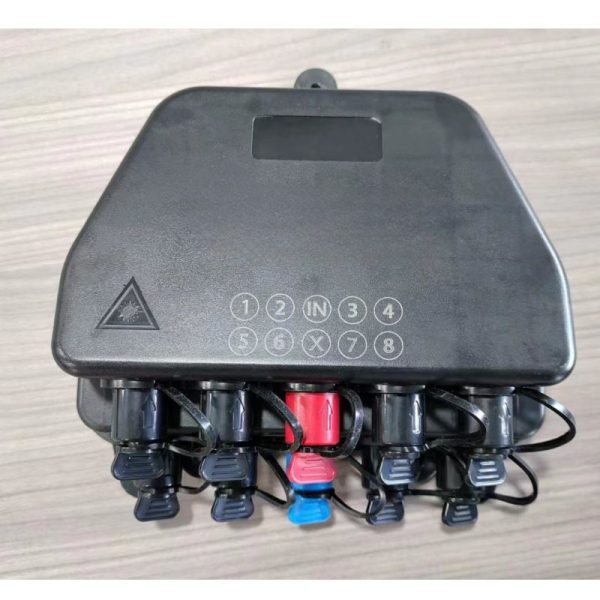
These boxes combine fiber splicing and connectorized distribution in the same enclosure. Incoming fibers can be fusion-spliced to pigtails or splitter inputs. The splice section includes trays that protect fusion splices and maintain the needed fiber bend radius. These serve in networks that need feeder-to-distribution cable transitions and installations that need field splicing.
High-density pre-connectorized distribution boxes
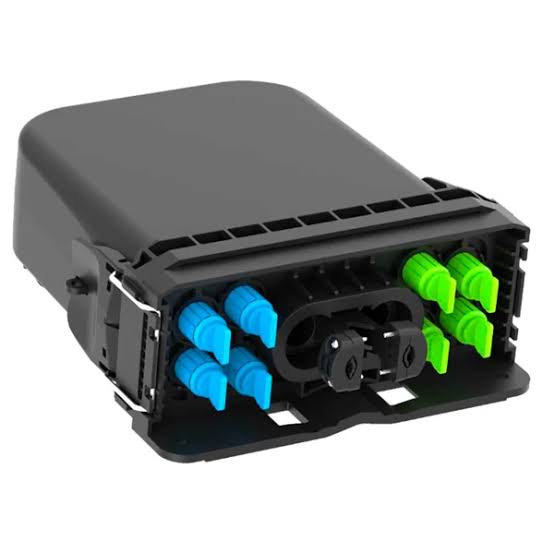
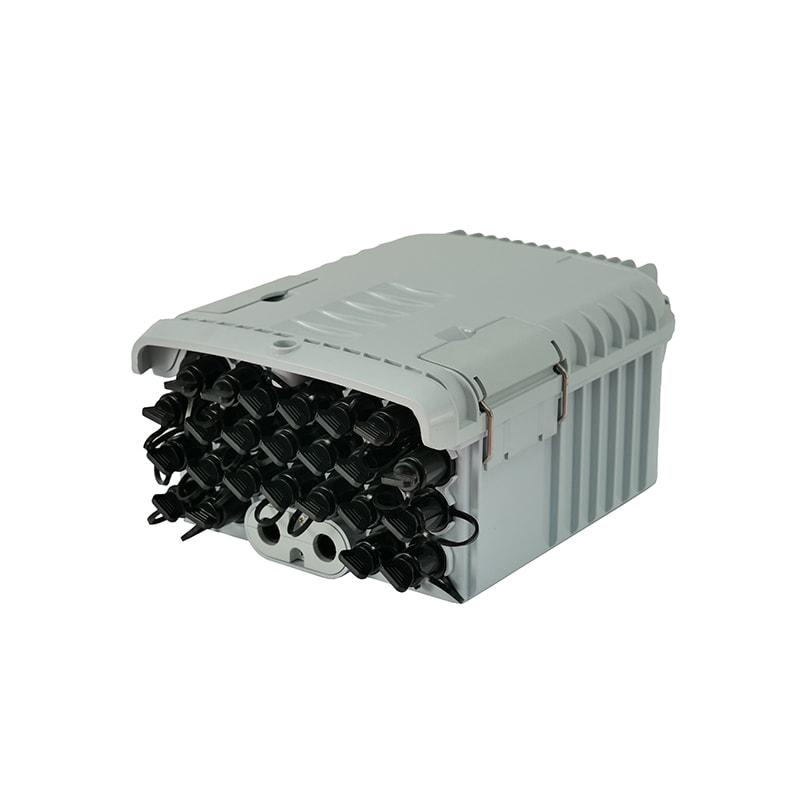
These can accommodate a large number of fiber connections within a compact enclosure. They use organized adapter arrangements, compact fiber-routing systems, and modular connector panels. High-density boxes serve high port density without the need for a large installation footprint. They serve in multi-dwelling units, commercial buildings, data communication facilities, and high-capacity telecom access networks.
The working principle of the distribution box
The pre-connectorized fiber distribution works as an organized optical connection point between the feeder fiber, distribution network, optical splitter, and subscriber drop cables. It has factory-terminated connectors that allow technicians to establish fiber connections with minimal field splicing. The process starts when the feeder enters the enclosure through a dedicated cable entry port. It has cable glands, clamps, and strain-relief components that secure the cable and prevent excessive mechanical loads from reaching the optical fibers. Once inside, the optical fibers are routed through the box’s fiber-management system. The routing guides, trays, clips, and storage areas maintain the suitable bend radius and prevent fibers from becoming tangled.
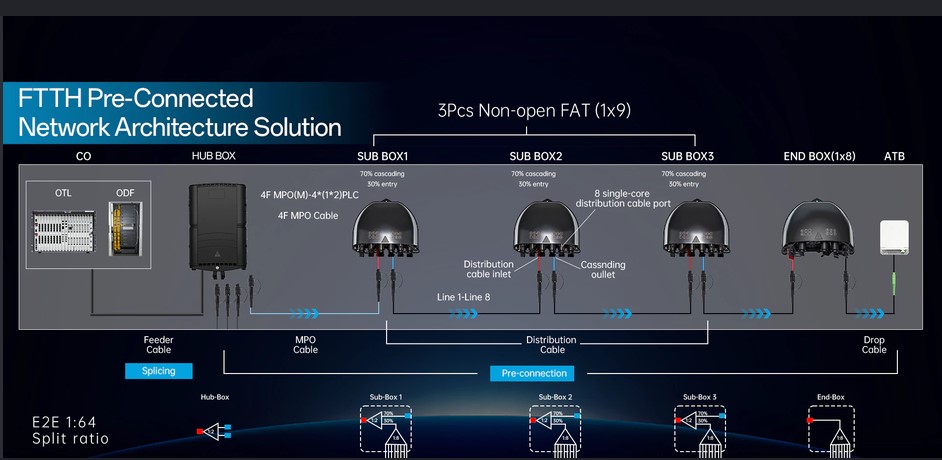
Pre-connectorized systems reduce the amount of field termination because many optical connections have been completed and tested at the factory. The box may also contain a PLC optical splitter that allows one feeder fiber to serve many endpoints. The optical outputs are routed to an adapter panel where the pre-terminated connectors plug into the adapters. This creates a standardized interface between the distribution box and outgoing drop cables. The distribution boxes create a centralized, organized, and fast connection architecture without the need for technicians to terminate every subscriber fiber in the field.
How to select the right distribution box
When selecting the right pre-connectorized fiber distribution box, it is crucial to match the enclosure to the network’s optical capacity, installation environment, connector configuration, and future expansion needs. The correct selection helps maintain low optical loss, reliable fiber management, and efficient FTTH deployment. Here are the key factors to consider when selecting the distribution box.
- Determine the needed fiber capacity – identify the number of incoming and outgoing fibers the box will hold. Consider the current number of subscribers and potential network expansion.
- Check the splitter configuration—determine whether an optical splitter is needed and select the suitable split ratio. The splitter should be with the network’s optical power budget.
- Select the suitable connector type – the distribution box matches the connectors used throughout the fiber network. Connector compatibility can prevent proper connection or introduce unnecessary optical loss.
- Consider the installation environment—the pre-connectorized distribution box serves indoor, outdoor, and aerial installations.
- Check the IP protection rating – the IP rating shows the enclosure’s resistance to solid particles and water ingress. The required rating should depends on the actual installation environment rather than selecting the highest rating automatically.
- Check fiber-management capacity – the box should provide enough space for fiber routing, splice protection, fiber slack storage, splitter installation, and connector management.
- Assess cable compatibility – the box should accommodate the physical characteristics of the cables deployed. Check cable diameter, number of cable entry ports, cable entry configuration, strength-member termination, strain relief, fiber count, and drop cable compatibility.
Technical specifications for the pre-connectorized distribution box
These specifications determine the optical performance, mechanical reliability, environmental protection, and suitability for FTTH and FTTx networks. The specifications may vary by manufacturer and application. These specifications include:
| Parameter | Typical range |
| Port capacity | 8-24 ports |
| Fiber capacity | 8-48 fibers |
| Connector type | Mini SC / OPTI / ODVA |
| Protection level | IP65–IP68 |
| Material | PC+ABS / PP+GF |
| Splitter support | 1×4 / 1×8 / 1×16 |
| Operating temperatures | -40°C to +85°C |
| Mounting | Pole/ wall/ aerial |
Applications for the pre-connectorized fiber distribution box
The pre-connectorized fiber distribution box serves where telecommunication networks need compact, organized, and protected points for fiber termination, distribution, splitting, and connection. They serve in applications that need fast installation and consistent optical connectivity. They serve in:
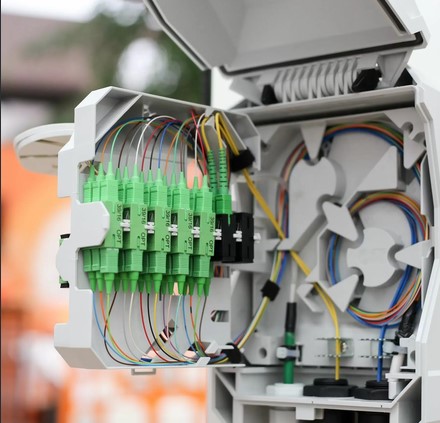
- FTTH networks – the box provides a connection point between the incoming feeder fiber and individual subscriber drop cables. In FTTH networks, the distribution box can receive feeder fibers, accommodate PLC splitters, distribute optical signals, and connect pre-terminated drop cables.
- FTTB and FTTx networks – the distribution boxes serve in building entrances, telecommunication rooms, or intermediate distribution points.
- Passive optical networks—pre-connectorized distribution boxes serve as passive distribution points in GPON, EPON, XG-PON, and XGS-PON networks. The box can divide an optical signal from a feeder fiber into many distribution fibers without needing active electrical equipment at the distribution point.
- Telecom access networks – telecommunications operators use the boxes to create organized fiber distribution points between backbone, feeder, and last-mile networks.
- Data centers and enterprise networks—the box can allow connections between distribution cables and equipment in an enterprise optical network.