
A multi-core cable contains two or more individually insulated conductors bundled together within a single outer sheath for protection and organization. The cables are designed to distribute electrical power, control signals, or data within indoor electrical systems and infrastructure. The multi-core distribution indoor cables consists of many conductive cores, individual insulation, separation materials, an outer sheath, and shielding. The cables consist of copper or aluminum strands insulated with PVC or XLPE to prevent short circuits and signal interference. This allows the cable to transmit power lines, control signals, or data streams in one compact unit. Multi-core cables serve in low-voltage control systems, industrial automation, instrumentation, telecommunications, audio and video equipment, and automotive connections. They serve in applications that need flexibility, frequent movement, or integration of power, data, and control in one cable. When selecting the multi-core cable, engineers should consider the rated voltage, conductor material, number of cores, and standards.
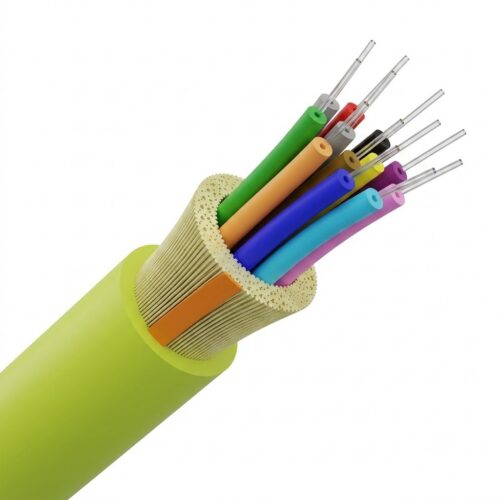
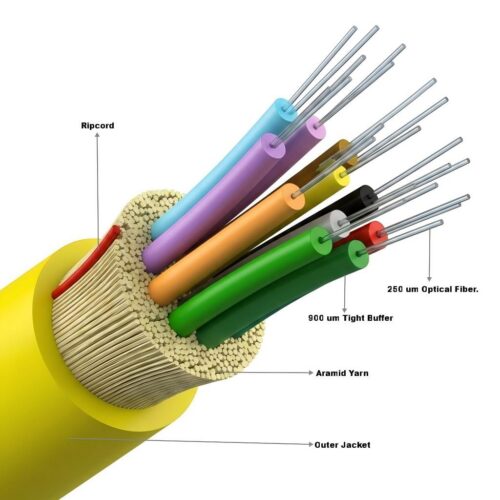
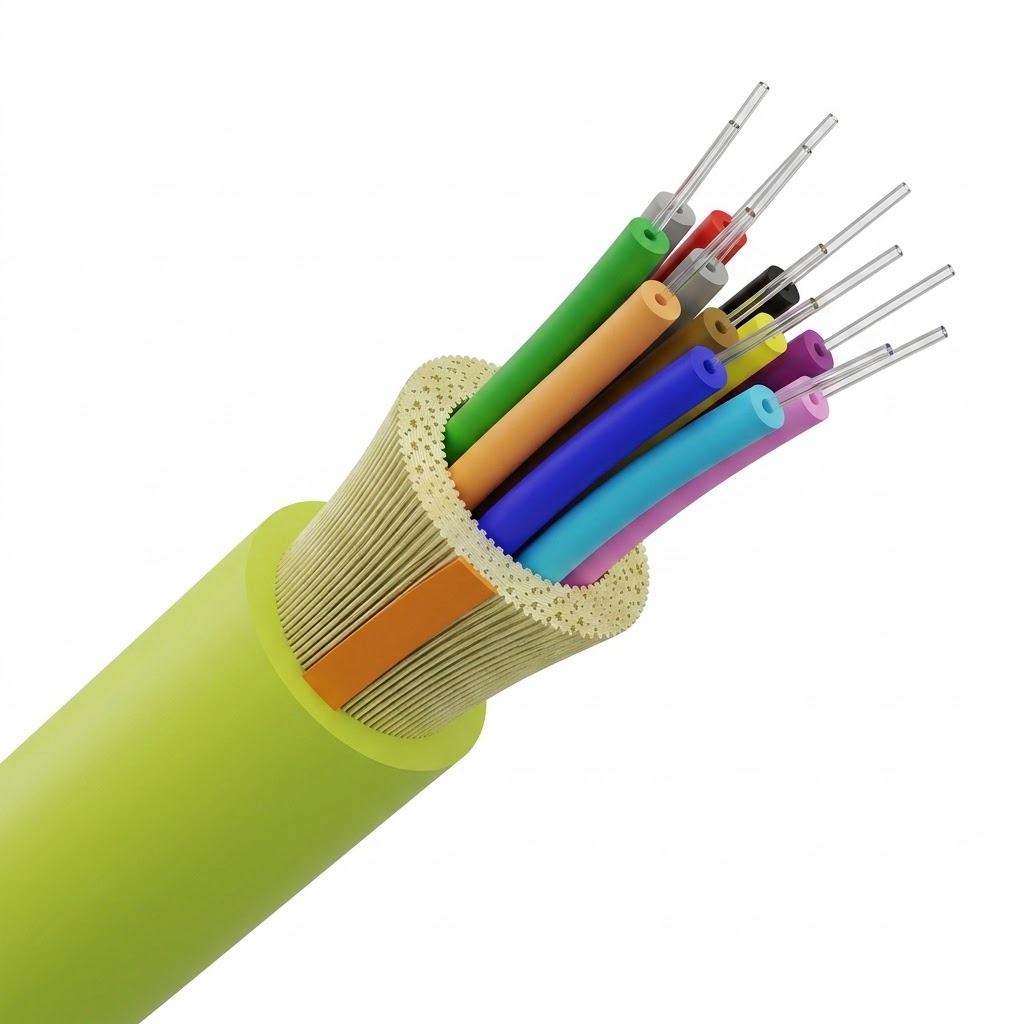
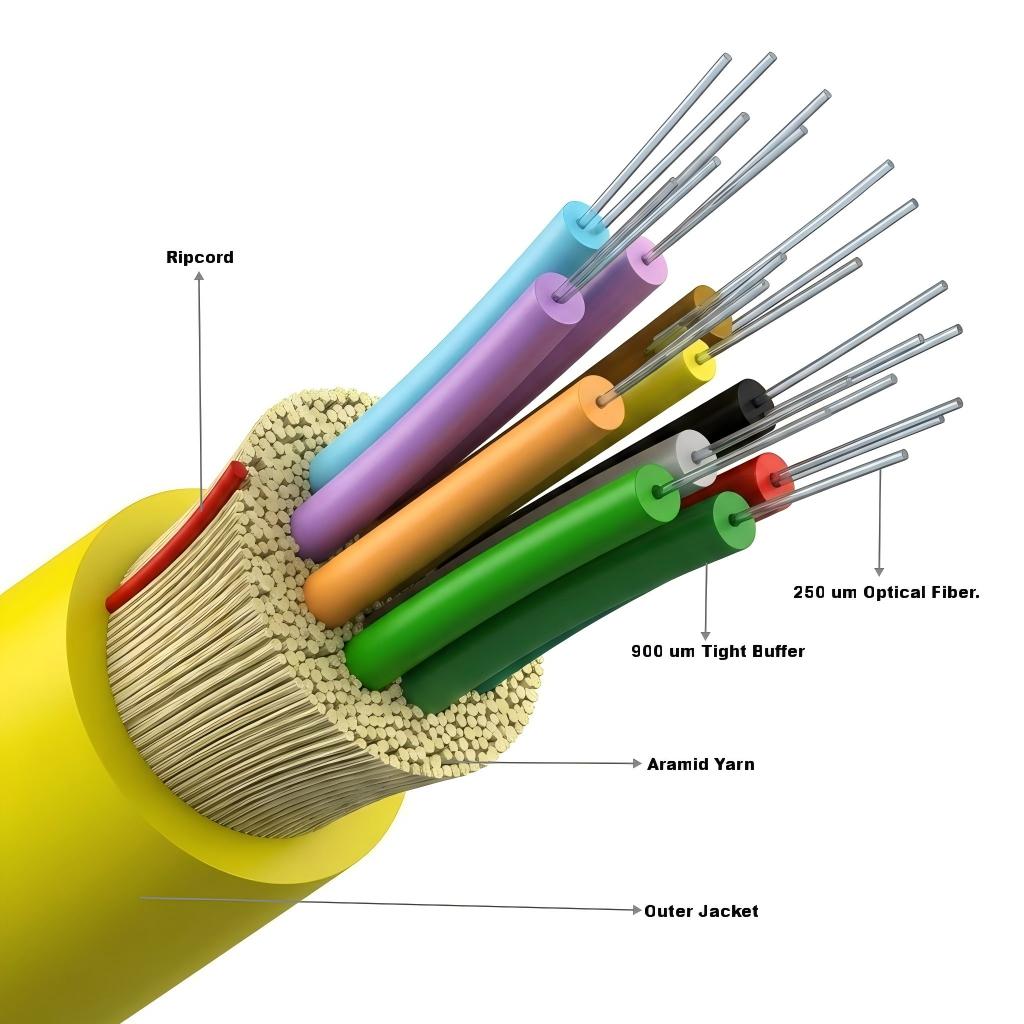

Structure of the multi-core distribution indoor cable
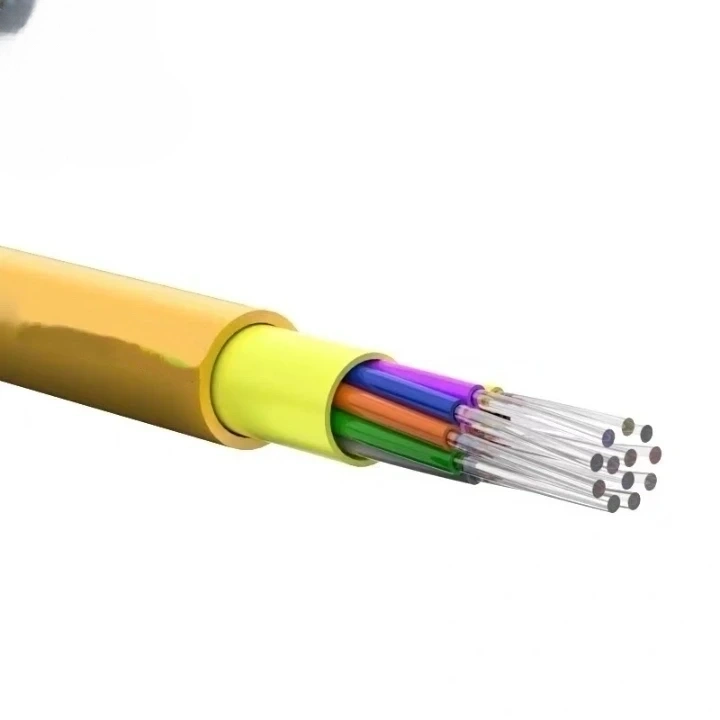
The multi-core distribution indoor cables consists of layers and components designed to provide reliable electrical distribution, mechanical protection, and safe indoor installation. This construction allows it to combine electrical circuits within a single, compact cable while maintaining electrical insulation, mechanical integrity, and installation safety. This structure includes:
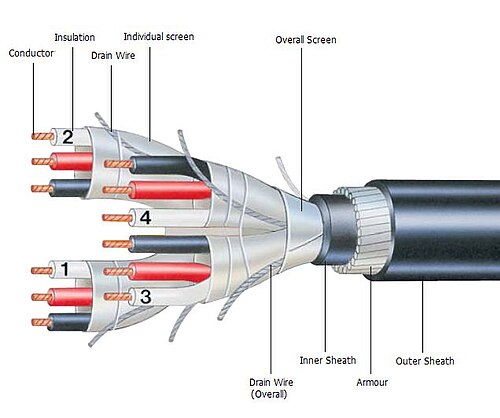
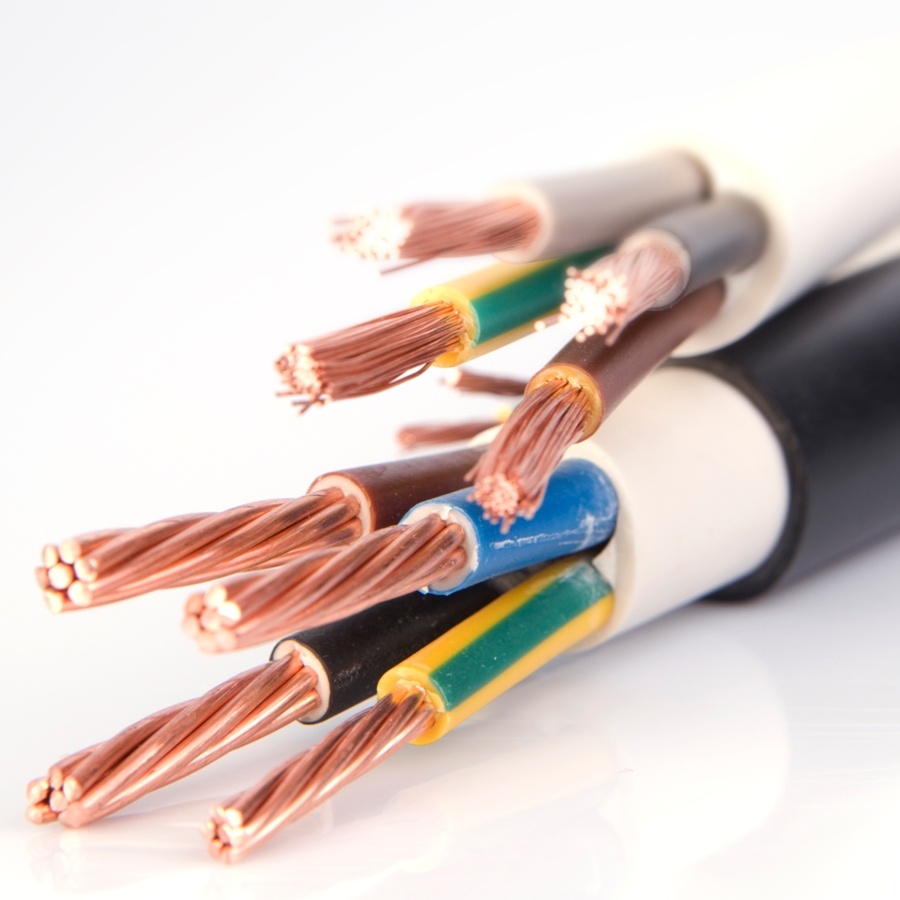
- Conductive cores—the cable contains electrical conductors made from annealed copper or aluminum. The conductors carry electrical current between distribution points. The cores may serve as phase conductors, neutral conductors, protective earth conductors, or auxiliary circuits.
- Individual core insulation – each conductor consists of an insulating layer made from PVC, XLPE, or LSZH compounds. The insulation prevents contact between adjacent conductors and protects against electrical leakage and short circuits.
- Core assembly – the cores are arranged in a circular or compact configuration to improve the cable’s geometry. Some contain fillers between the cores to maintain a uniform circular shape and improve mechanical stability.
- Binding layer – some multi-core distribution indoor cables include a separator, wrapping tape, or binding layer around the assembled cores. This layer helps maintain the cable structure and can improve separation between the insulated cores and outer sheath.
- Shielding layer – the shield helps reduce electromagnetic interference and also provides extra protection against external disturbances.
- Inner sheath – some cables include an inner sheath or bending layer that holds the core assembly together. It also provides a smooth surface for the outer protective layer.
- Outer sheath – the outer sheath is the final protective layer of the cable. It is from PVC, LSZH, or other specialized compounds. It protects the cable against abrasion, moisture, dust, chemicals, mechanical impact, and flame propagation.
The difference between the single and multi-core distribution indoor cables
The main difference between these cables is the number of insulated conductors contained within one cable assembly. This difference affects installation, flexibility, heat dissipation, space need, and application. The selection of the cables depends on current rating, voltage level, cable length, installation method, ambient temperature, and allowable voltage drop.
Single-core distribution cable
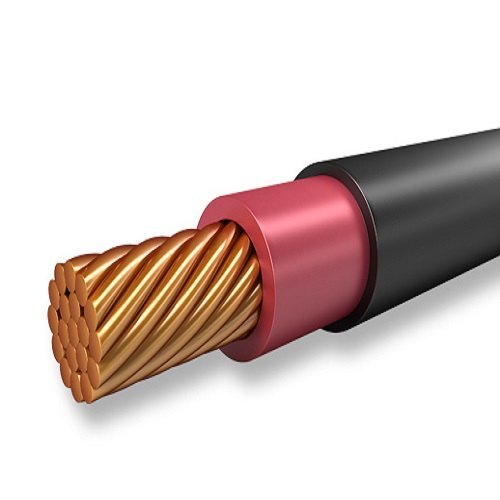
This contains one conductor and its insulation and offers efficient heat dissipation, easier individual routing, greater flexibility in arranging conductors, and easier replacement of individual cables. Using several single-core cables requires more installation space and cable-management accessories. Single-core cables are ideal for heavy power delivery, and multi-core cables are ideal for control, automation, and space-constrained wiring. Proper selection ensures optimal safety, efficiency, and performance in electrical projects. These cables are more exposed to electromagnetic interference. Single-core cables serve in high-voltage transmission lines, industrial power distribution systems, grounding systems, and large electrical equipment connections.
Multi-core distribution indoor cable
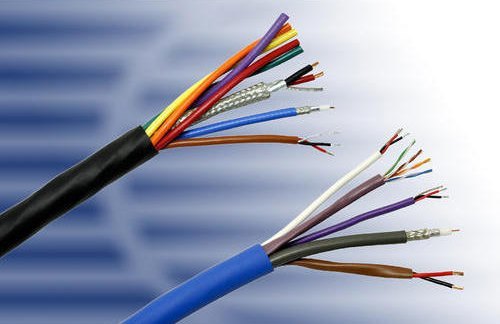
A multi-core cable contains several insulated conductors within a common outer sheath. For instance, a 4-core cable may contain three phase conductors and one neutral conductor. It has compact cable construction, faster installation, reduced cable clutter, simplified cable routing, and easier identification of composite circuits. However, multi-core cables may be heavier and less flexible compared to single-core cables. Their closely grouped conductors can affect heat dissipation and ampacity. Multi-core designs reduce EMI through proximity and shielding. The cables are ideal for control panels and automation systems, communication networks, data transmission, and underground installations.
The Importance of multi-core cable in transmission and telecommunication networks
Multi-core distribution indoor cables are critical in the internal connectivity infrastructure of transmission and telecommunication facilities. The cables contain individually insulated conductors within a common cable assembly. This enables power, control, monitoring, and communication functions to be routed within indoor facilities.
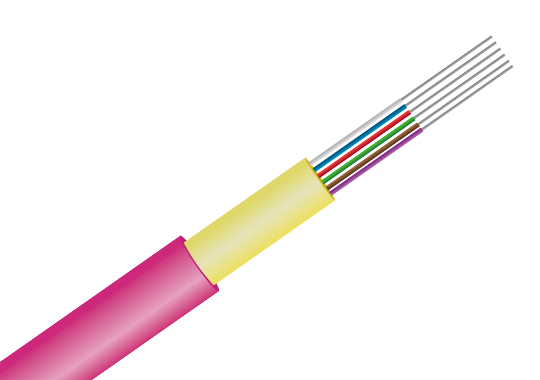
- Efficient internal power distribution – telecommunication networks need continuous power for routers and switches, optical transmission equipment, fiber termination equipment, and rectifiers and DC power systems. Multi-core distribution indoor cables distribute power from electrical panels, rectifiers, UPS systems, or battery systems to various equipment.
- Improved cable management – using multi-core cables helps merge several conductors into a single cable assembly. This improves routing efficiency, reduces cable-tray congestion, simplifies identification, and eases maintenance.
- Support for control and monitoring systems – multi-core cables and control and distribution cables can provide connections between monitoring devices, power systems, control panels, and alarm systems.
- Reliable transmission infrastructure—the multi-core cables support the power, control, protection, and auxiliary systems needed to operate transmission infrastructure.
- Reduced installation complexity – using a single multi-core cable can reduce the complexity of indoor installations. This helps reduce installation time, cable routing requirements, number of cable supports, and termination points.
- Support for network expansion – multi-core cables provide extra conductors for future control, power, or auxiliary connections. This makes network expansion efficient when facilities are designed with spare capacity.
Selecting the right multi-core distribution indoor cables
Utilities and engineers should check the electrical, mechanical, environmental, and safety needs of the installation when selecting the cables. The right cable should carry the needed load while maintaining reliable performance throughout its service life. Key considerations include the following:
- Determine the application – multi-core cables serve in indoor power distribution, telecommunication equipment, monitoring systems, data-center infrastructure, industrial automation, and battery systems.
- Select the right number of cores – the number of cores should match the electrical circuit configurations and future requirements. Extra cores may be necessary for control, monitoring, or auxiliary functions.
- Calculate the required conductor size – select the conductor cross-sectional area according to the expected load current. Consider operating current, inrush current, installation method, ambient temperature, and permissible voltage drop.
- Choose the right conductor material – copper conductors provide high electrical conductivity, lower resistance, good flexibility, and compact cable dimensions. Aluminum conductors are lighter and may be more economical for larger distribution applications.
- Select the insulation material – the insulation must withstand the electrical and thermal conditions of the installation. Common options include PVC, XLPE, and LSZH.
- Check the voltage rating – the cable’s rated voltage must be equal or higher than the system voltage. Selecting the correct voltage rating helps ensure that the insulation can withstand normal operating conditions.
- Consider future expansion – select a cable system with suitable spare capacity to reduce the need for extensive rewiring later.
- Confirm standards and quality requirements – the selected cable should follow relevant national and international standards and project specifications. Quality assurance should include verification of conductor resistance, insulation thickness, high-voltage withstand, and mechanical properties.
Multi-core cable benefits power and telecommunication networks.
Multi-core distribution indoor cables provide an efficient method of carrying electrical circuits, control connections, and auxiliary services within a single cable assembly. Their compact construction makes them valuable in power distribution facilities, telecommunication rooms, data centers, transmission stations, and other infrastructure. Here are their benefits in the telecommunication networks.
- Efficient power distribution – multi-core cables are ideal for distributing power to switchboards, control panels, telecommunication equipment, and network equipment.
- Space-saving installation – the cables need less installation space than many individually routed cables. This reduces cable congestion and improves accessibility for inspection and maintenance.
- Simplified cable management – the multi-core construction helps merge power, control, and auxiliary connections into structured cable routes. This improves cable identification, routing organization, cable-tray use, and maintenance efficiency.
- Reliable support for telecommunication equipment – multi-core cables support the power, control, alarm, and monitoring systems that keep the communication network operational.
- Improved electrical protection – individual insulation prevents electrical contact between adjacent cores. Extra shielding also reduces electromagnetic interference depending on the cable design.
Technical specifications for the multi-core cables
Specifications for the multi-core distribution indoor cables should be confirmed based on the number of cores, conductor cross-sectional area, current carrying capacity, voltage drop, installation method, ambient temperature, cable grouping, and fire requirements. Consider these specifications depending on the application for the cables.
| Product type | Multi-Core Distribution Indoor Cables |
| Jacket Material | Polyethylene (PE) |
| Jacket Marking | Feet/Meter |
| Subunit Type | Gel-filled |
| Fiber Coloring | Blue, Orange, Green, Brown, Slate, White, Red, Black, Yellow, Violet, Rose, Aqua |
| Tensile Load, long term, maximum | 200 N(44.962 lbf) |
| Tensile Load, short term, maximum | 667 N(149.948 lbf) |
| Fiber Type | G.652.D and G.657.A1 |
| Attenuation, maximum | 0.3 dB/km @ 1,550 nm | 0.4 dB/km @ 1,310 nm |
| Installation temperature | 10 °C to +60 °C (+14 °F to +140 °F) |
| Cable Qualification Standards | ANSI/ICEA S-87-640 | IEEE-1222 |
Applications of the multi-core distribution cable
Multi-core distribution indoor cables serve in systems that need electrical conductors to be routed within a single cable assembly. Their compact structure and organized conductor arrangement make them suitable for power distribution, control, telecommunications, and industrial infrastructure. Here are the application areas for the multi-core cables.
- FTTH & FTTx subscriber network connections
- ODF connections
- Distribution network
- Industrial automation
- Renewable energy systems
- Pre-terminated or field-installable systems
- Renewable energy systems
- Inside house OLT connections
- Data centers