
LC / UPC Fiber Optic Attenuator for Single Mode Links
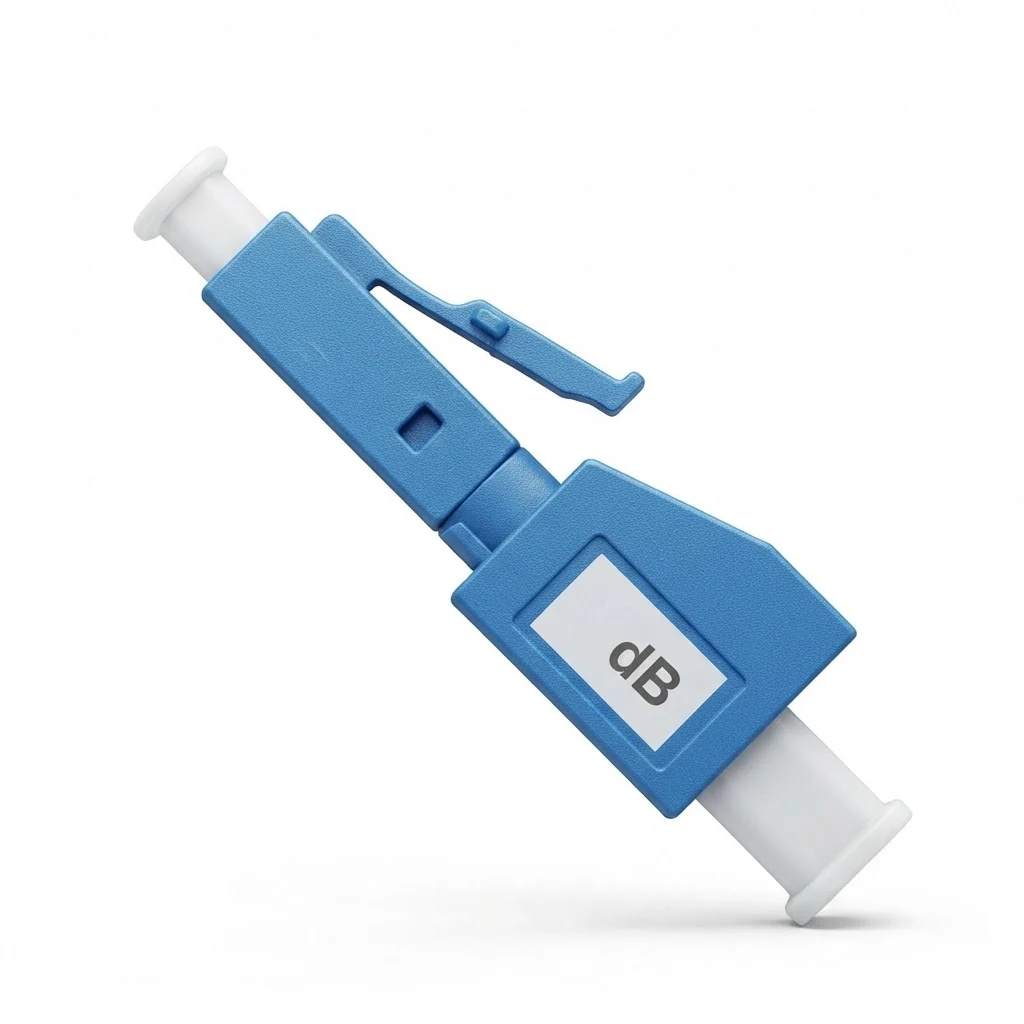
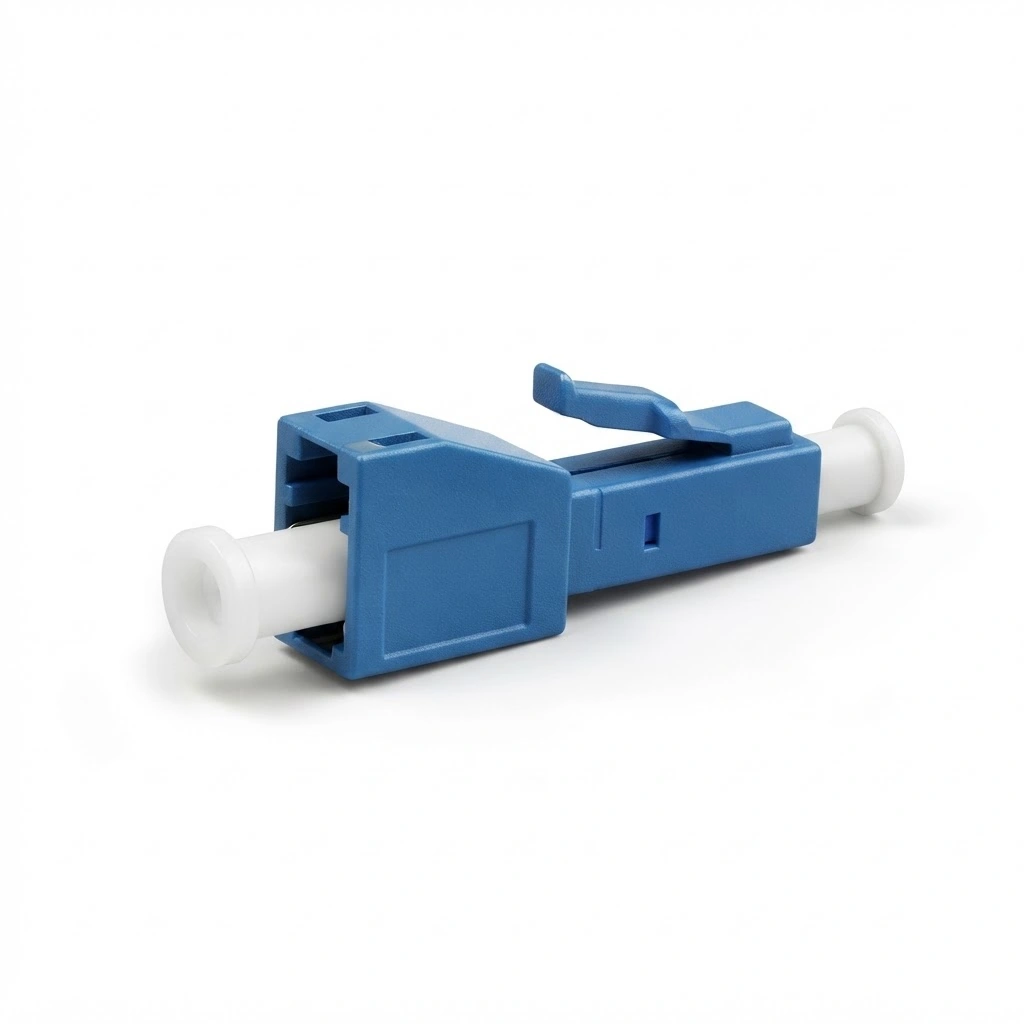
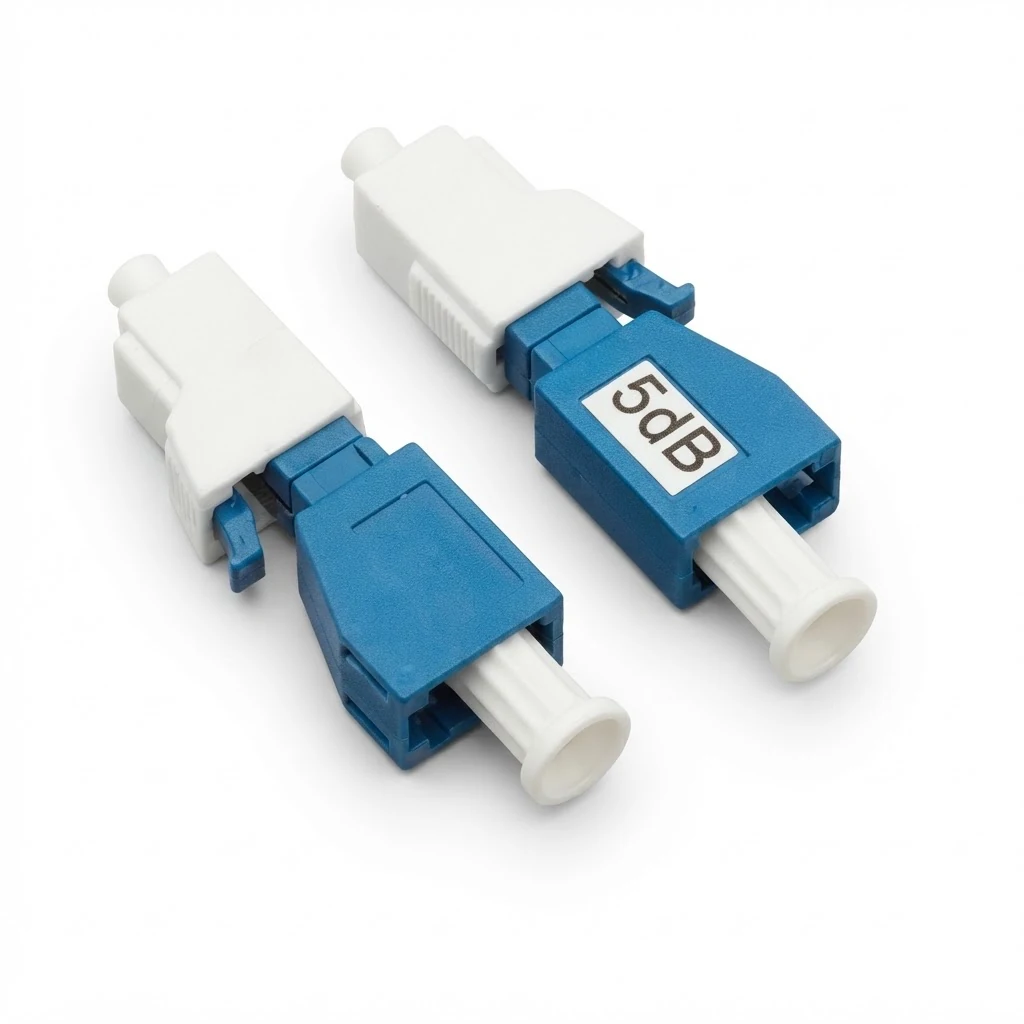
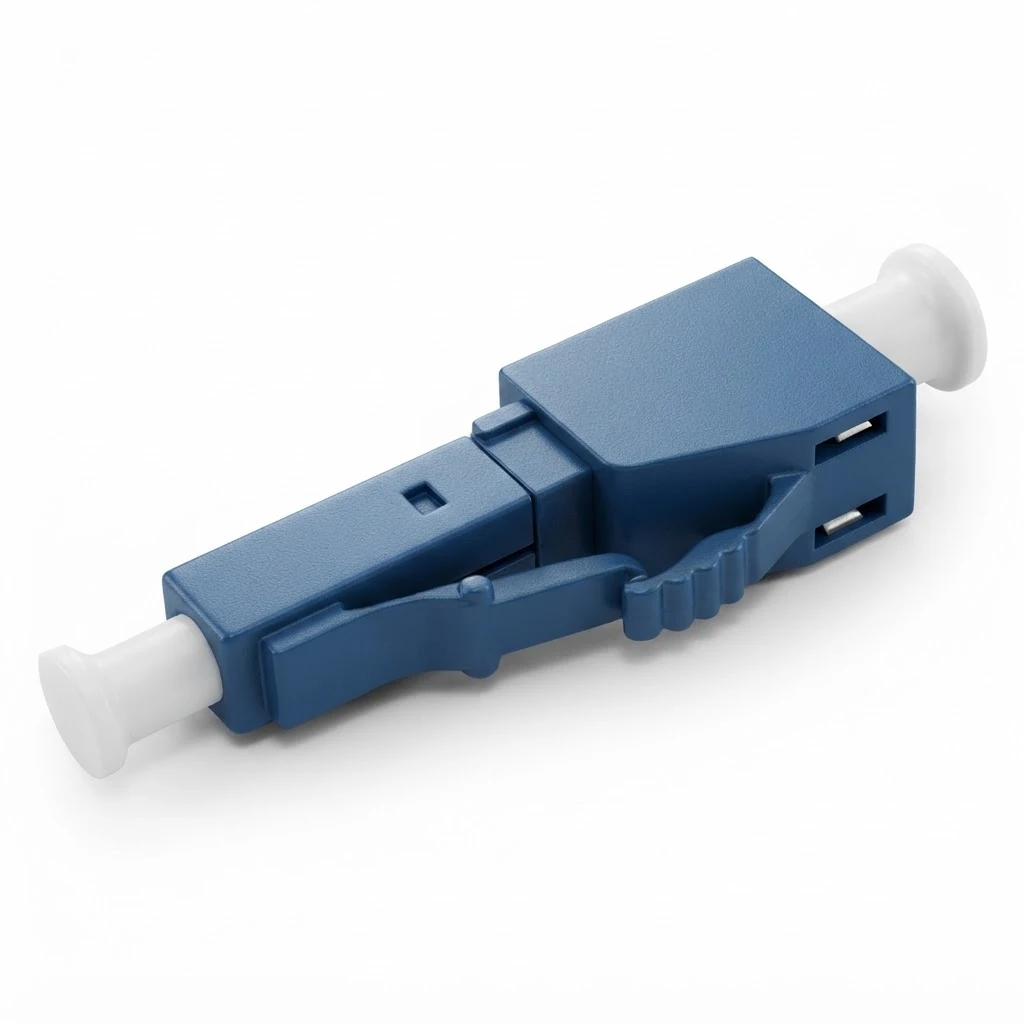
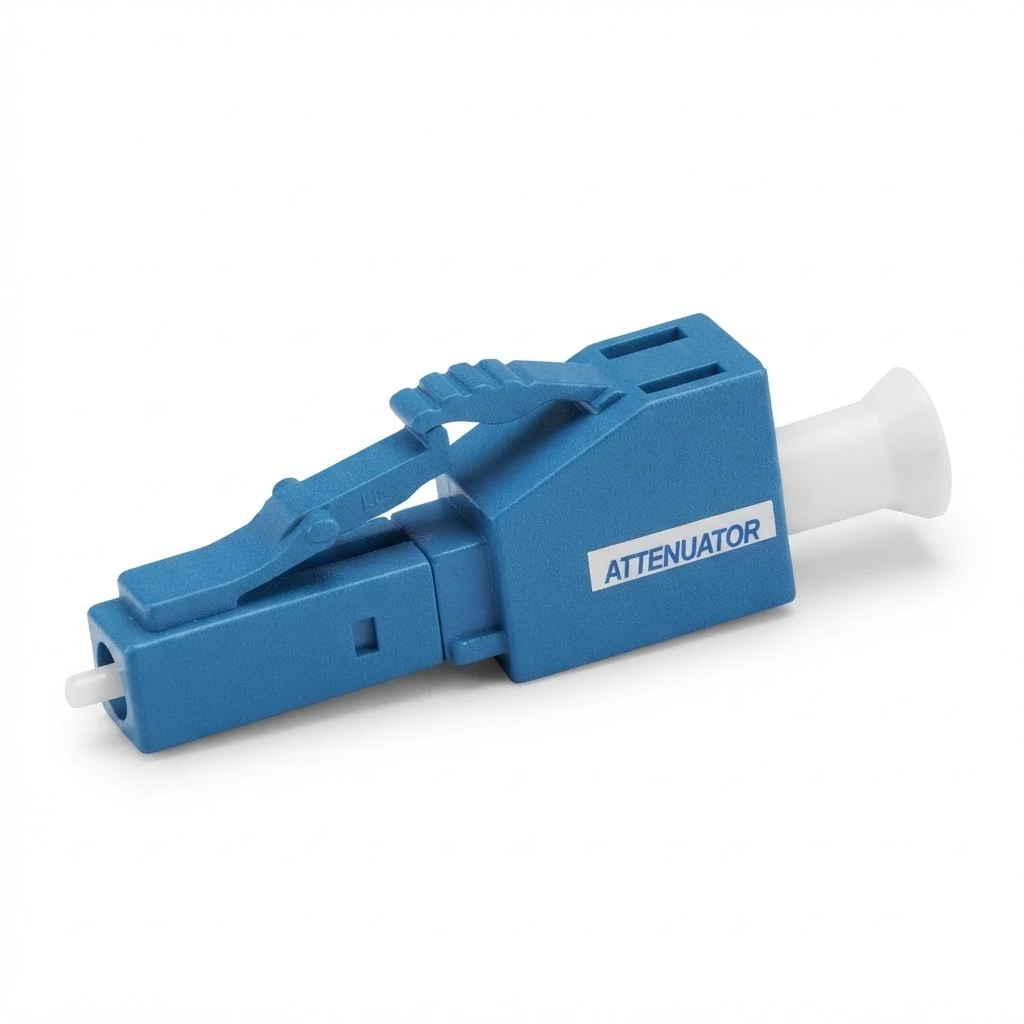
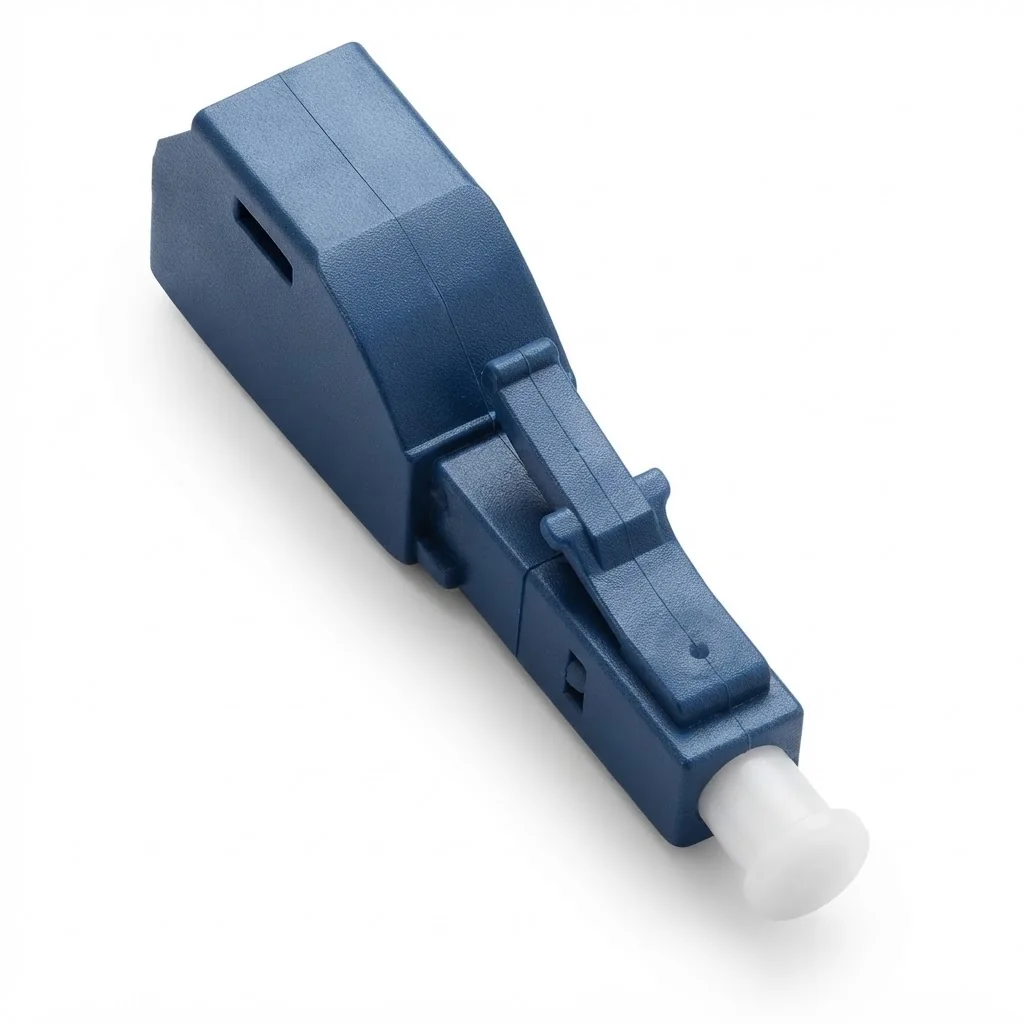
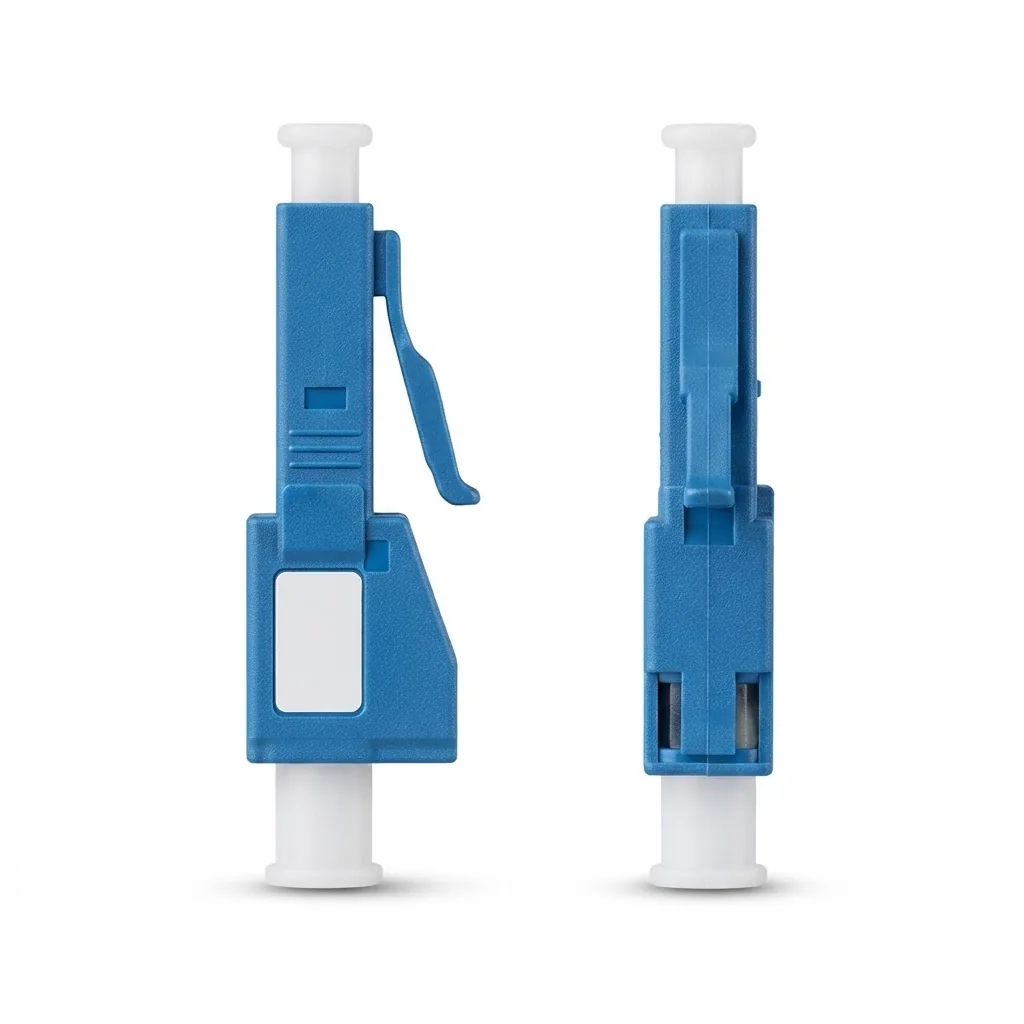
The LC fiber optic attenuator operates as a passive in-line component to reduce optical signal power without changing transmission wavelengths. High signal strength creates receiver saturation and bit error rates in optical links. This male to female attenuator suppresses excess power before signals reach active equipment. Telecom networks, fiber to the home distributions, local area networks, wide area networks, and laboratory testing setups utilize this component.
Key Features
-
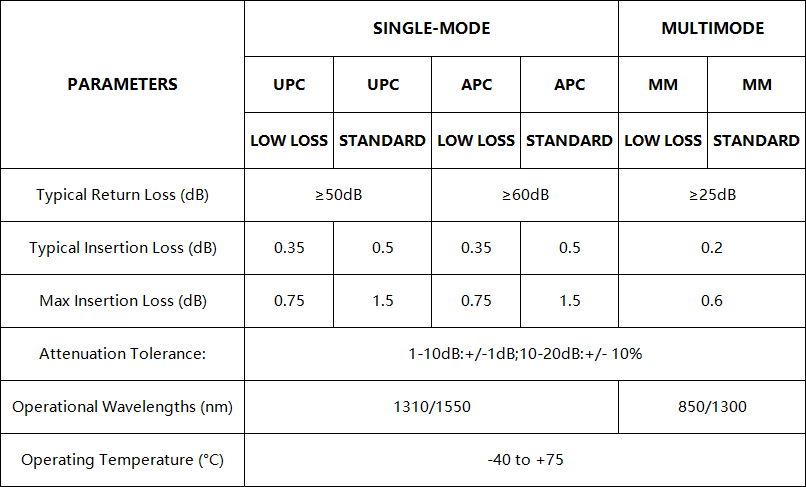
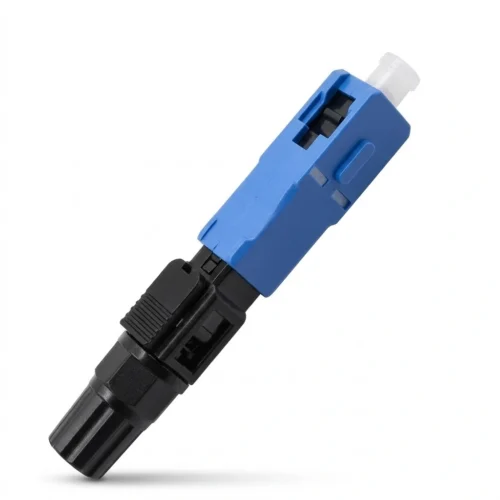
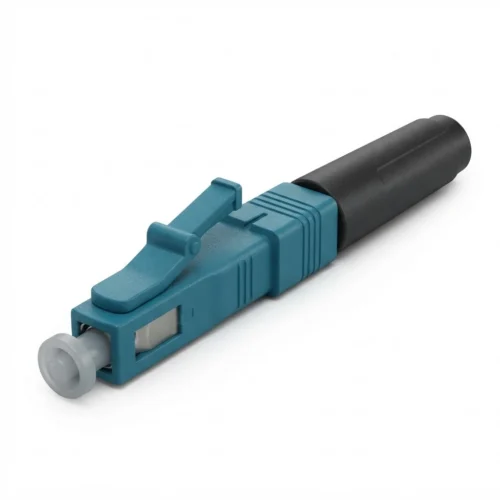
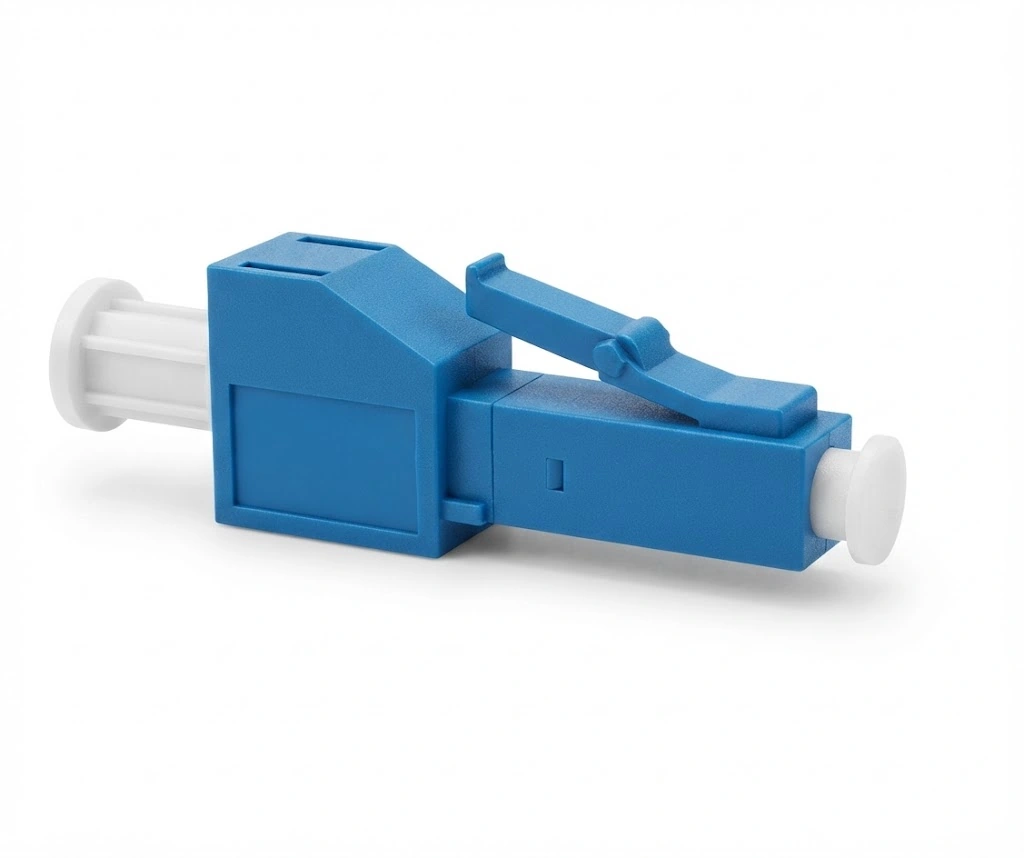
Connector Types: Configured with male to female LC connectors for direct integration into existing patch cables and active equipment ports.
-
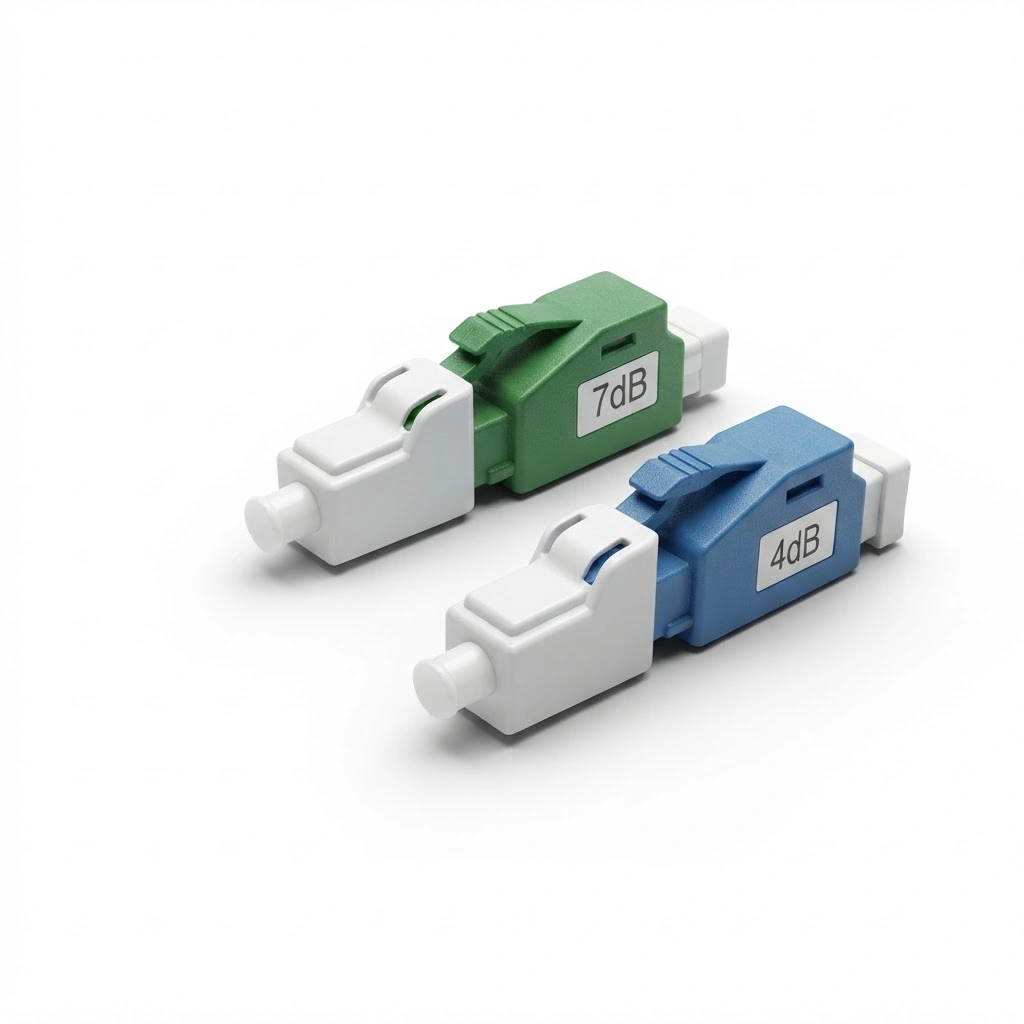
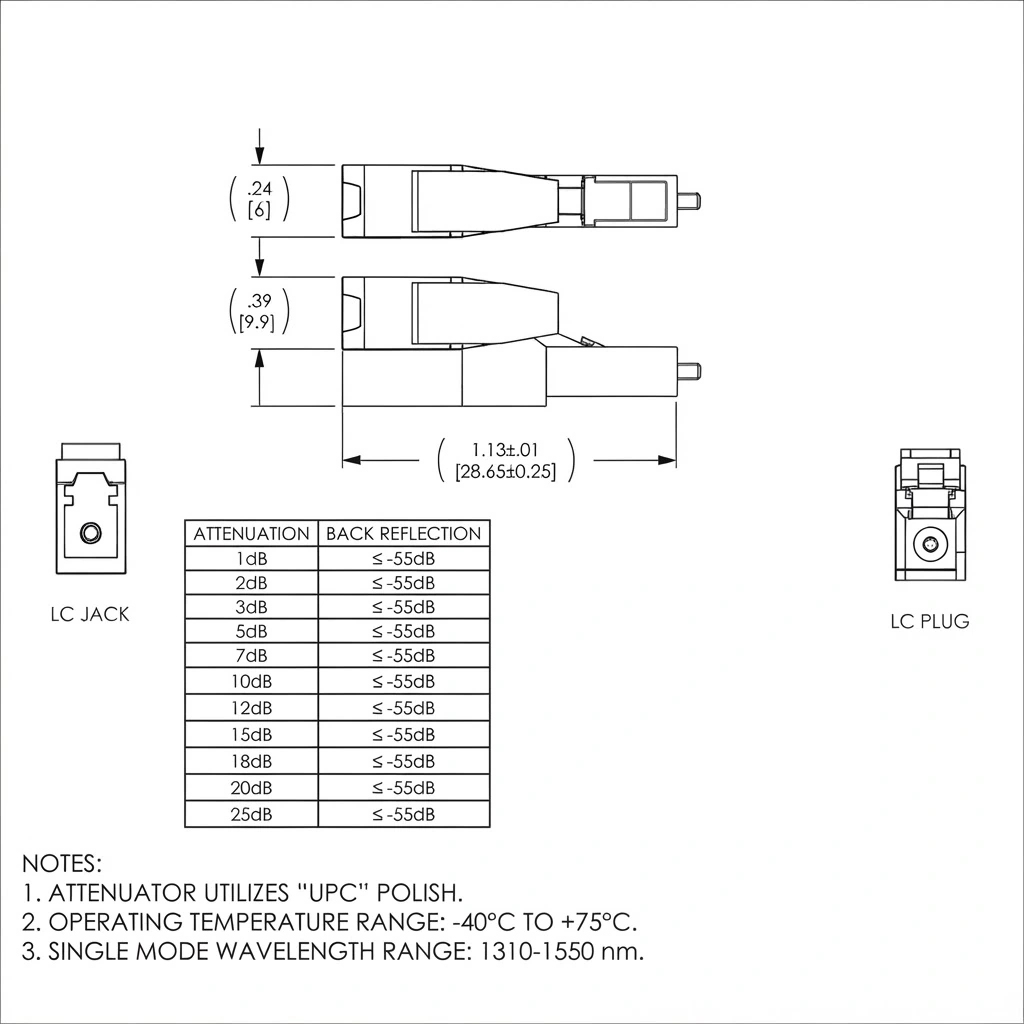
Attenuation Range: Available in fixed attenuation levels ranging from 0 dB to 30 dB to match specific link requirements.
-
Optical Performance: Features high-precision metal ion doping technology and premium ceramic ferrules for stable alignment, low polarization dependent loss, and flat response across all operational wavelengths.
-
Polish Types: Designed with Ultra Physical Contact polishing to maintain high return loss performance.
Applications
-
Telecommunication transmission networks
-
Fiber to the home distribution systems
-
Dense wavelength division multiplexing systems
-
Erbium-doped fiber amplifier links
-
Optical laboratory testing and measurement
FAQ
What is the primary function of an LC fiber optic attenuator?
It reduces excess optical power in single mode fiber links to prevent receiver saturation and lower bit error rates.
Can this attenuator be used in high-power amplifier applications?
Yes, it supports high-intensity optical power up to 500 mW and is compatible with amplified transmission links.
How is the device installed in a network?
The male to female plug design allows direct connection to optical patch cords or receiver ports without specialized tools.
Conclusion
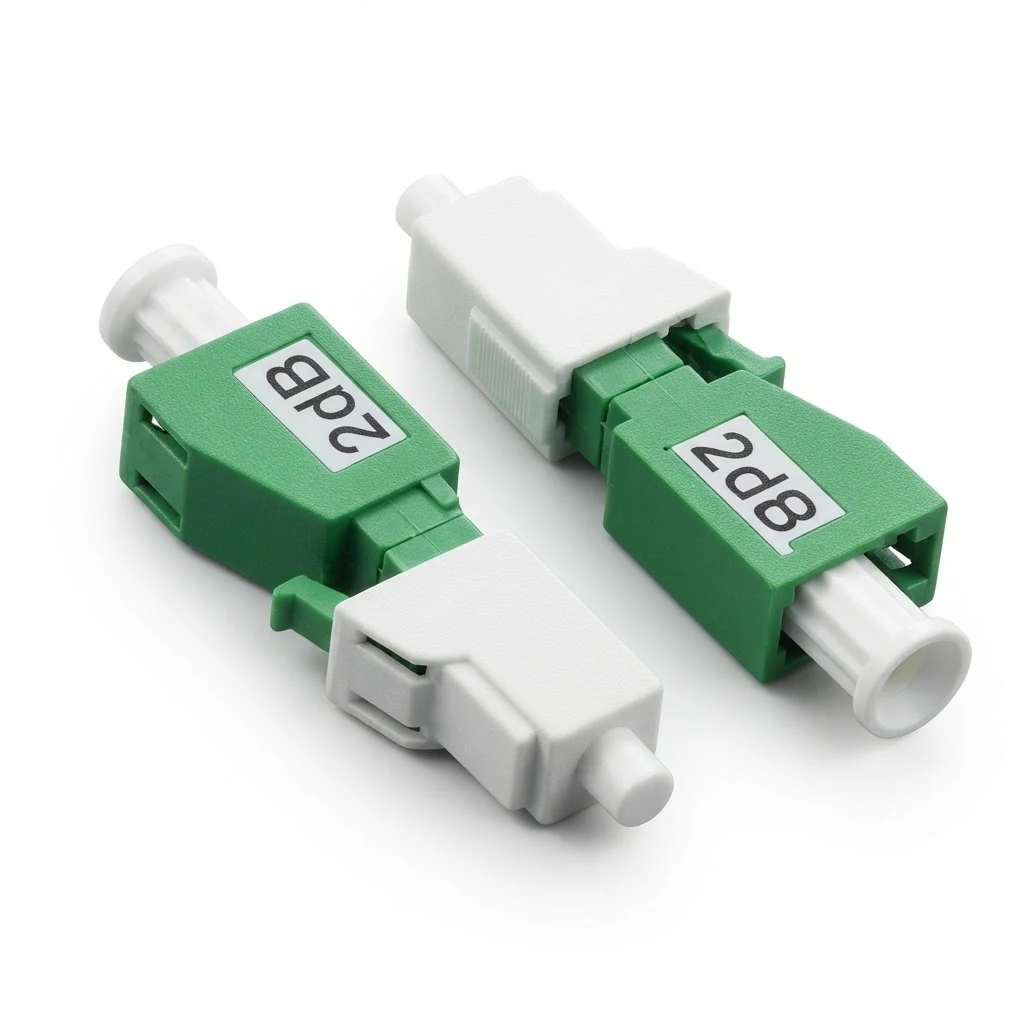
The LC fiber optic attenuator provides precise optical power reduction and stable performance for single mode network architectures.